



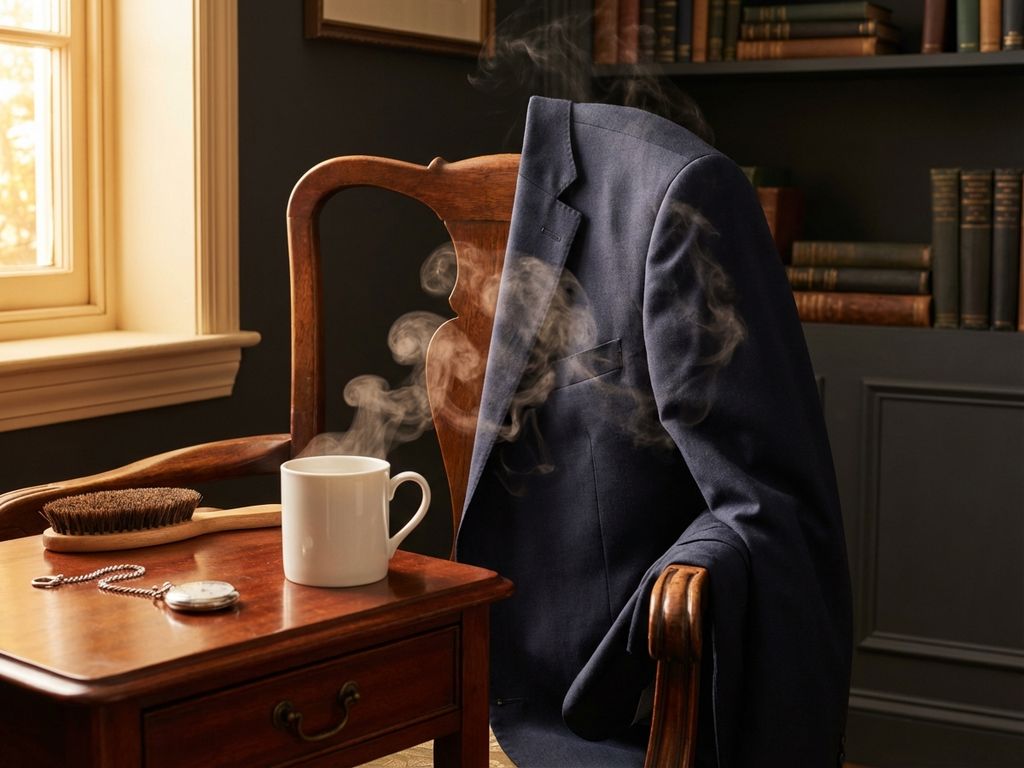
Oui, il est possible de repasser un costume sans fer à repasser en utilisant plusieurs méthodes efficaces. Cuisson à la vapeur est la solution la plus populaire, qu'il s'agisse d'un défroisseur dédié ou de la vapeur d'une douche chaude dans la salle de bain. Les sèche-cheveux, les techniques d'accrochage appropriées et les services de repassage professionnels donnent également de bons résultats. Ces méthodes sont plus douces pour les tissus des vêtements et souvent plus pratiques que le repassage traditionnel, surtout en voyage.
Quelles sont les meilleures alternatives au repassage d'un costume ?
Les méthodes sans fer les plus efficaces pour le repassage des costumes sont la vapeur, les techniques de vapeur dans la salle de bain, les méthodes de suspension et les services professionnels. Défroisseurs à main offrent les meilleurs résultats, éliminant les plis tout en étant plus doux pour les tissus délicats des costumes que les fers à repasser traditionnels. La méthode de la vapeur dans la salle de bain est idéale pour les voyages, tandis qu'une bonne suspension empêche la plupart des plis de se former.
Les défroisseurs à main pour vêtements offrent des résultats de qualité professionnelle sans risque de brûlure ou de création de taches brillantes sur votre costume. Ils sont particulièrement efficaces sur les costumes en laine, en coton et en lin. Il suffit de suspendre le costume et de passer le défroisseur verticalement le long du tissu, ce qui permet à la vapeur de détendre naturellement les fibres.
Les nettoyeurs à sec professionnels proposent des services de repassage qui dépassent souvent les résultats obtenus à domicile. Ils utilisent des machines à vapeur et des presses commerciales spécialement conçues pour les costumes. Cette option est idéale pour les costumes coûteux ou lorsque vous avez besoin d'un résultat parfait pour des occasions importantes telles que le mariage. mariages.
La méthode de la vapeur dans la salle de bain ne nécessite aucun équipement spécial et fonctionne partout où il y a une douche. Suspendez votre costume dans la salle de bains tout en prenant une douche chaude pendant 10 à 15 minutes. La vapeur remplit la pièce et détend naturellement les plis du tissu.
Des techniques d'accrochage appropriées permettent d'éviter de nombreux plis. Utilisez des cintres de costume de qualité qui soutiennent correctement les épaules de la veste. Suspendez les pantalons par les poignets ou utilisez des cintres à pinces pour maintenir le pli.
Comment la méthode de la vapeur d'eau dans la salle de bain fonctionne-t-elle réellement pour les costumes ?
La méthode de la vapeur dans la salle de bain utilise la vapeur d'une douche chaude pour créer un environnement humide qui détend les fibres froissées des vêtements. Vapeur d'eau chaude pénètre dans le tissu, ce qui permet aux plis de disparaître naturellement à mesure que le tissu s'assouplit. Cette technique fonctionne le mieux avec les tissus de costumes légers ou de poids moyen et nécessite 10 à 15 minutes d'exposition pour obtenir des résultats optimaux.
Commencez par suspendre votre costume sur un cintre solide à la tringle du rideau de douche ou à un crochet placé à l'abri des projections d'eau. Veillez à ce que la porte de la salle de bains et les fenêtres soient fermées afin d'emprisonner efficacement la vapeur. Le costume doit pendre librement sans toucher les murs ou d'autres surfaces.
Faites fonctionner la douche sur le réglage le plus chaud pendant 10 à 15 minutes, de manière à ce que la vapeur envahisse toute la salle de bains. Le taux d'humidité doit être suffisamment élevé pour que les miroirs s'embuent complètement. Évitez de laisser les gouttes d'eau entrer directement en contact avec le costume, car cela peut provoquer des taches d'eau ou endommager certains tissus.
Les tissus réagissent différemment à cette méthode. Les costumes en laine donnent généralement d'excellents résultats, tandis que les mélanges de coton et de lin réagissent également bien. Les tissus synthétiques peuvent nécessiter des temps d'exposition plus longs. Les tissus délicats comme la soie requièrent une plus grande prudence et des temps d'exposition plus courts.
Après le séchage à la vapeur, laissez le vêtement suspendu dans la salle de bains pendant 5 à 10 minutes supplémentaires pour permettre à l'excès d'humidité de s'évaporer. Placez-le ensuite dans un endroit bien aéré pour qu'il finisse de sécher complètement avant d'être porté. Vous éviterez ainsi que l'humidité résiduelle ne provoque de nouveaux plis.
Peut-on utiliser un sèche-cheveux pour défroisser un costume ?
Les sèche-cheveux peuvent atténuer efficacement les rides des costumes lorsqu'ils sont utilisés avec une technique appropriée et des précautions de sécurité. Maintenir une distance de 6 à 8 pouces du tissu et utilisez une chaleur moyenne pour ne pas l'abîmer. Cette méthode est plus efficace pour les plis mineurs et les retouches que pour les vêtements très froissés, en particulier sur les tissus des costumes en coton et en laine.
Tenez le sèche-cheveux à la bonne distance tout en tirant doucement sur le tissu avec l'autre main. Déplacez le sèche-cheveux en continu pour éviter de concentrer la chaleur sur une seule zone, ce qui pourrait endommager les fibres ou créer des zones brillantes. Travaillez par sections, en vous concentrant sur une zone à la fois pour obtenir des résultats uniformes.
Les réglages de la chaleur sont très importants pour la sécurité des tissus. Utilisez une chaleur moyenne ou faible pour les tissus délicats comme la laine ou la soie. Les costumes en coton peuvent supporter des températures plus élevées, mais commencez toujours par des réglages plus bas et augmentez progressivement si nécessaire. N'utilisez jamais la température la plus élevée pour les costumes coûteux ou délicats.
Cette technique est particulièrement efficace pour les cols, les revers et les petits plis autour des boutons. Pour les plis de pantalons, posez le vêtement à plat et travaillez le long de la ligne de pli existante. L'essentiel est de faire preuve de patience et d'effectuer des mouvements doux et réguliers plutôt que de précipiter le processus.
Le choix du moment joue un rôle important dans l'efficacité de la méthode. Cette méthode donne de meilleurs résultats sur les costumes légèrement humides ou légèrement mouillés. Les tissus complètement secs nécessitent des temps de traitement plus longs, tandis que les tissus trop humides peuvent être endommagés par la chaleur concentrée.
Quelle est la différence entre la vapeur et le repassage pour l'entretien des costumes ?
La vapeur utilise la chaleur humide pour détendre les fibres du tissu sans contact direct, tandis que le repassage applique une chaleur sèche et une pression directement sur le tissu. La cuisson à la vapeur est plus douce sur les tissus des costumes et réduit le risque de brûlure, de brillance ou d'aplatissement des matériaux texturés. Le repassage permet d'obtenir des plis plus nets, mais nécessite davantage de compétences pour éviter d'endommager les costumes coûteux.
L'efficacité varie en fonction du type de tissu et des résultats souhaités. La vapeur est excellente pour éliminer les plis généraux de la laine, de la soie et des tissus délicats sans altérer leur texture naturelle. Le repassage crée des lignes nettes et précises et convient mieux aux costumes en coton qui bénéficient de plis pressés.
Les facteurs de commodité favorisent largement la vapeur dans la plupart des situations. Les défroisseurs chauffent rapidement, ne nécessitent pas de planche à repasser et sont efficaces pour les vêtements suspendus. Vous pouvez cuire un costume à la vapeur en quelques minutes sans avoir à installer d'équipement supplémentaire. Le repassage nécessite davantage de préparation, de temps d'installation et d'attention aux réglages de la température.
Les considérations relatives à la sécurité des tissus font de l'étuvage le choix privilégié pour les costumes coûteux. L'application indirecte de la chaleur évite les brûlures, tandis que la chaleur humide n'aplatit pas les textures naturelles des tissus. Le repassage présente des risques plus élevés de créer des taches brillantes sur la laine ou de brûler les fibres délicates.
Le pressage professionnel des costumes combine généralement les deux techniques. Les nettoyeurs à sec utilisent souvent d'abord la vapeur pour éliminer les plis, puis des presses spécialisées pour la mise en forme finale et le défroissage. Cette approche combinée permet d'obtenir des résultats supérieurs, mais nécessite un équipement et une expertise professionnels.
Comment éviter que les costumes ne se froissent quand on n'a pas de fer à repasser ?
Pour éviter que le costume ne se froisse, il faut le ranger correctement, utiliser des cintres de qualité et des techniques d'emballage stratégiques. Suspension correcte immédiatement après avoir porté le vêtement empêche la plupart des plis de s'installer durablement. Utilisez des cintres de costume structurés qui maintiennent la forme des épaules et suspendez les pantalons correctement pour préserver les plis existants.
Des cintres de qualité font une grande différence dans la prévention des plis. Les cintres en bois ou rembourrés qui correspondent à la largeur des épaules de votre costume offrent un soutien adéquat. Évitez les cintres en fil de fer qui créent des bosses sur les épaules et ne maintiennent pas la forme naturelle de la veste. Pour les pantalons, utilisez des cintres à pinces ou pliez-les sur des barres rembourrées.
Les stratégies d'emballage en voyage permettent de maintenir le costume en bon état sans avoir accès à un équipement de repassage. Roulez les articles plus souples comme les chemises et placez-les à l'intérieur de la veste du costume avant de la plier. Emballez les costumes dans des sacs à vêtements ou posez-les à plat dans les bagages en intercalant du papier de soie. Déballez-les immédiatement à l'arrivée et suspendez-les correctement.
Le choix du tissu influe considérablement sur la résistance au froissement. Les mélanges de laine, les matières synthétiques et les tissus performants résistent mieux au froissement que le coton pur ou le lin. Lorsque vous achetez des costumes, pensez aux tissus "infroissables" ou "adaptés aux voyages" si vous n'avez pas souvent accès à un équipement de repassage.
L'environnement de stockage influe sur la formation des plis au fil du temps. Maintenez un taux d'humidité adéquat dans les armoires et assurez une circulation d'air suffisante autour des vêtements suspendus. Évitez de surcharger les armoires, car les vêtements risquent de se presser les uns contre les autres et de créer des plis indésirables.
Un entretien régulier permet d'éviter que les petites rides ne deviennent permanentes. Traitez rapidement les petits plis en utilisant des techniques de vaporisation ou d'accrochage plutôt que de les laisser s'incruster. Changez régulièrement de costume afin d'éviter les périodes prolongées de suspension dans la même position, qui peuvent entraîner une tension du tissu et un froissement permanent.
Comprendre les alternatives au repassage des costumes vous permet de conserver une apparence professionnelle quel que soit l'équipement dont vous disposez. Qu'il s'agisse de méthodes à la vapeur, de sèche-cheveux ou de techniques préventives, vous pouvez conserver l'aspect impeccable de vos costumes sans avoir recours au repassage traditionnel. Ces méthodes sont souvent plus douces pour les tissus coûteux, tout en étant plus pratiques pour les personnes très occupées ou en déplacement. Si vous avez besoin d'une assistance professionnelle ou si vous avez des questions sur l'entretien des costumes, n'hésitez pas à contacter nous contacter.
Pour ceux qui recherchent des costumes parfaitement taillés qui conservent leur forme et ne se froissent pas, nous fabriquons des vêtements sur mesure en utilisant des tissus de qualité supérieure et des techniques de construction qui minimisent les besoins d'entretien tout en maximisant le style et le confort. En savoir plus notre engagement à l'artisanat de qualité et découvrir comment fonctionne notre processus pour créer votre costume parfait.
Articles connexes
- Qu'est-ce qui fait que les cols de costume s'enroulent et se froissent ?
- Code vestimentaire "cravate noire" : Qu'est-ce que cela signifie et qu'est-ce que cela veut dire ?
- Quelle est l'étiquette à respecter pour enlever sa veste de costume lors d'une réception ?
- Quelles sont les causes de la décoloration des costumes noirs et bleu marine ?
- Quel est le lien entre la température et la nature d'un paquet ?
