



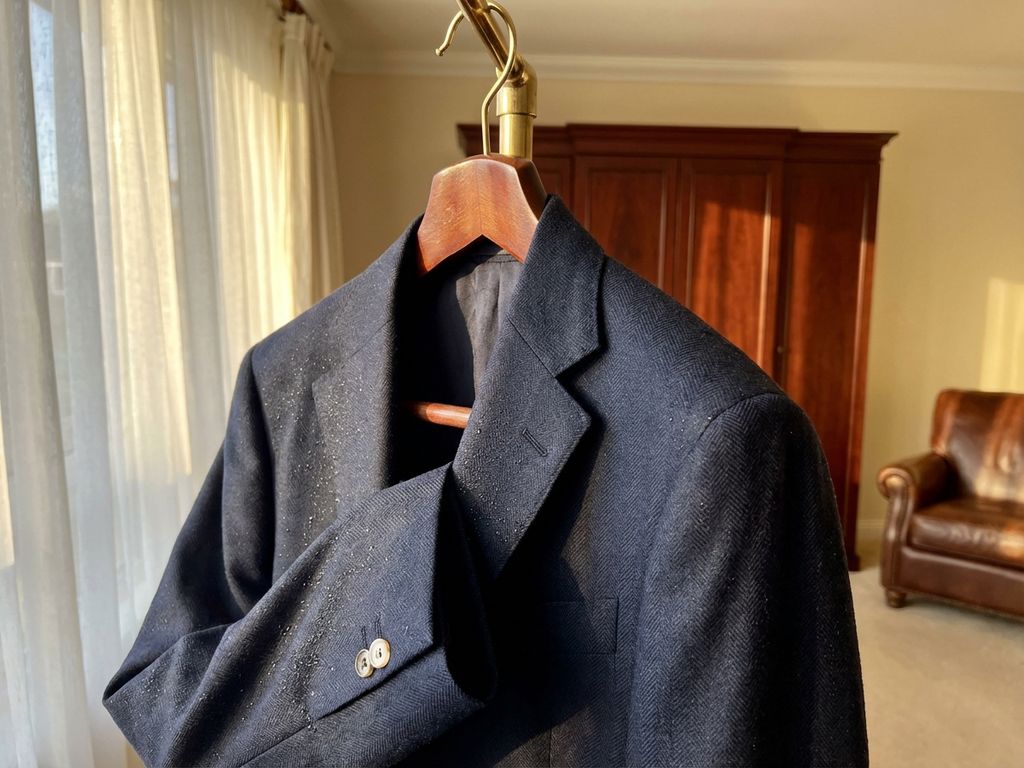
The proper way to air dry a damp suit involves removing excess moisture, hanging it on quality hangers with adequate spacing, and placing it in a well-ventilated area away from direct heat or sunlight. This gentle approach preserves fabric integrity and prevents shrinkage, distortion, and damage that can occur with heat-based drying methods. Understanding the complete process helps maintain your suit’s appearance and longevity.
Why is proper air drying so important for suit longevity?
Air drying preserves suit fabrics by preventing heat damage, shrinkage, and structural distortion that occur with machine drying or direct heat exposure. Natural air circulation allows moisture to evaporate gradually without compromising the wool fibers, cotton weaves, or synthetic blends that give suits their shape and drape.
Heat-based drying methods cause wool fibers to contract unevenly, leading to permanent shrinkage and an altered fit. The high temperatures break down natural proteins in wool and can cause synthetic fibers to lose their elasticity. This damage appears as puckering around seams, shortened sleeves or trouser legs, and a generally poor fit that cannot be reversed.
Proper suit care through air drying maintains the garment’s structural integrity. Suit jackets contain multiple layers, including canvas interfacing, shoulder padding, and chest pieces that respond differently to moisture and heat. Rapid drying can cause these layers to separate or shift, creating permanent wrinkles and affecting how the jacket sits on your shoulders.
The science behind fabric preservation shows that gradual moisture evaporation allows fibers to return to their original position without stress. This gentle process maintains the fabric’s natural drape, prevents color bleeding between different materials, and preserves any special finishes or treatments applied during manufacturing.
What’s the correct way to prepare a damp suit for air drying?
Begin preparation by emptying all pockets completely, removing items like wallets, phones, tissues, and receipts that can cause staining or create uneven drying patterns. Check pocket linings for forgotten items and ensure nothing remains that could transfer moisture or create pressure points during the drying process.
Inspect the suit thoroughly for visible stains or soiled areas before drying begins. Address any spots immediately, as heat from air circulation can set stains permanently into the fabric. Blot liquid spills gently with a clean cloth, working from the outside of the stain inward to prevent spreading.
Gently shake the jacket and trousers to remove excess surface moisture without wringing or twisting the fabric. This initial moisture removal reduces drying time and prevents water from pooling in seams or pocket areas. Pay attention to areas where water typically collects, such as trouser cuffs, jacket hems, and areas around buttons.
Assess the fabric type and weight to determine appropriate drying expectations. Heavier wool suits require longer drying times, while lighter cotton or linen blends dry more quickly. Understanding your suit’s composition helps you plan the drying timeline and choose the most suitable environment for optimal results.
How should you hang a wet suit to prevent damage and wrinkles?
Utilisation broad-shouldered wooden or padded hangers that support the jacket’s natural shape without creating pressure points or stretching. Wire hangers or narrow plastic hangers can leave permanent creases and fail to maintain proper shoulder alignment during the extended drying period.
Hang the jacket with adequate spacing between the front panels, ensuring air can circulate freely around all surfaces. Button the jacket loosely to help maintain its shape, but avoid pulling the fabric taut. Position the shoulders evenly on the hanger, checking that the jacket hangs straight without twisting or bunching.
For trousers, use clip hangers or drape them over a padded bar to prevent creasing. If using clips, position them at the waistband or cuffs rather than mid-leg to avoid creating permanent marks. Ensure trouser legs hang straight and do not touch each other, allowing air to flow between them.
Maintain proper spacing between garments if drying multiple items. Allow at least six inches between hanging suits to ensure adequate air circulation. Overcrowding prevents effective moisture evaporation and can lead to musty odors or extended drying times that increase the risk of mildew development.
Position hangers securely on sturdy rods or hooks that will not bend under the weight of wet fabric. Wet suits are significantly heavier than dry ones, and inadequate support can cause hangers to slip or garments to fall, potentially creating new wrinkles or damage.
What environmental conditions help suits dry properly without damage?
Optimal drying occurs in well-ventilated indoor spaces with a moderate temperature (18–22°C) and humidity levels below 60%. Good air circulation accelerates natural evaporation while preventing the stagnant conditions that promote mildew growth and musty odors.
Avoid direct sunlight, which can fade colors and create uneven drying that leads to fabric distortion. Similarly, keep suits away from direct heat sources like radiators, heating vents, or fireplaces that can cause rapid moisture loss and potential shrinkage. Natural, indirect light provides sufficient visibility for monitoring progress without damaging effects.
Indoor drying offers better control over environmental conditions compared to outdoor methods. Spare bedrooms, utility rooms, or dedicated drying areas work well, provided they have adequate ventilation. Open windows or use fans to improve air circulation, but avoid creating strong drafts that might cause garments to sway excessively.
Seasonal considerations affect drying success significantly. Winter heating can create overly dry conditions that cause static and fabric stiffness, while summer humidity may extend drying times considerably. Adjust your approach based on current weather conditions, potentially using dehumidifiers in very humid conditions or adding gentle air circulation during dry periods.
Monitor the drying environment regularly, checking for signs of inadequate ventilation such as condensation on windows or musty smells. These indicators suggest the need for improved air circulation or alternative drying locations to prevent damage to your garments.
How long does it typically take for different suit fabrics to air dry completely?
Wool suits typically require 24–48 hours for complete drying, depending on fabric weight and environmental conditions. Lightweight wool may dry within 18–24 hours, while heavy winter-weight wool can take up to 72 hours in humid conditions.
Cotton and cotton-blend suits generally dry faster, usually within 12–24 hours in proper conditions. The natural breathability of cotton fibers allows moisture to evaporate more readily than wool, though heavier cotton weaves still require patience for thorough drying.
Linen suits dry most quickly, often within 8–16 hours due to the fabric’s loose weave and natural moisture-wicking properties. However, linen requires careful attention during drying to prevent excessive wrinkling that can be difficult to remove later.
Synthetic blends and performance fabrics vary widely in drying times. Polyester blends typically dry within 12–18 hours, while fabrics with moisture-wicking treatments may dry even faster. However, these materials can retain odors if not dried properly, making adequate ventilation particularly important.
Several factors influence drying speed beyond fabric type. Garment construction affects timing, with fully lined jackets taking longer than unlined ones. Fabric weight, weave density, and any water-resistant treatments also impact evaporation rates. Higher humidity extends all drying times, while good air circulation and moderate temperatures accelerate the process.
Check drying progress by feeling seams, pocket areas, and the lining, which retain moisture longest. The suit is completely dry when these areas feel the same temperature as the surrounding fabric and show no signs of dampness when pressed gently with a clean cloth.
Proper suit maintenance extends far beyond emergency drying situations. Understanding fabric care principles helps you make informed decisions about garment care throughout ownership. When you are ready to invest in quality tailoring that deserves this level of care, we are here to help you create suits built to last, with proper attention to construction and fabric selection.
Articles connexes
- Pourquoi les costumes cintrés sont-ils populaires pour les mariages modernes ?
- Quelle est la meilleure façon d'enlever les taches d'un costume ?
- Comment maintenir le pli d'un pantalon de costume ?
- À quelle fréquence faut-il nettoyer un costume à sec ?
- Qu'est-ce qui fait que le tissu d'un costume devient rigide après le nettoyage ?
