



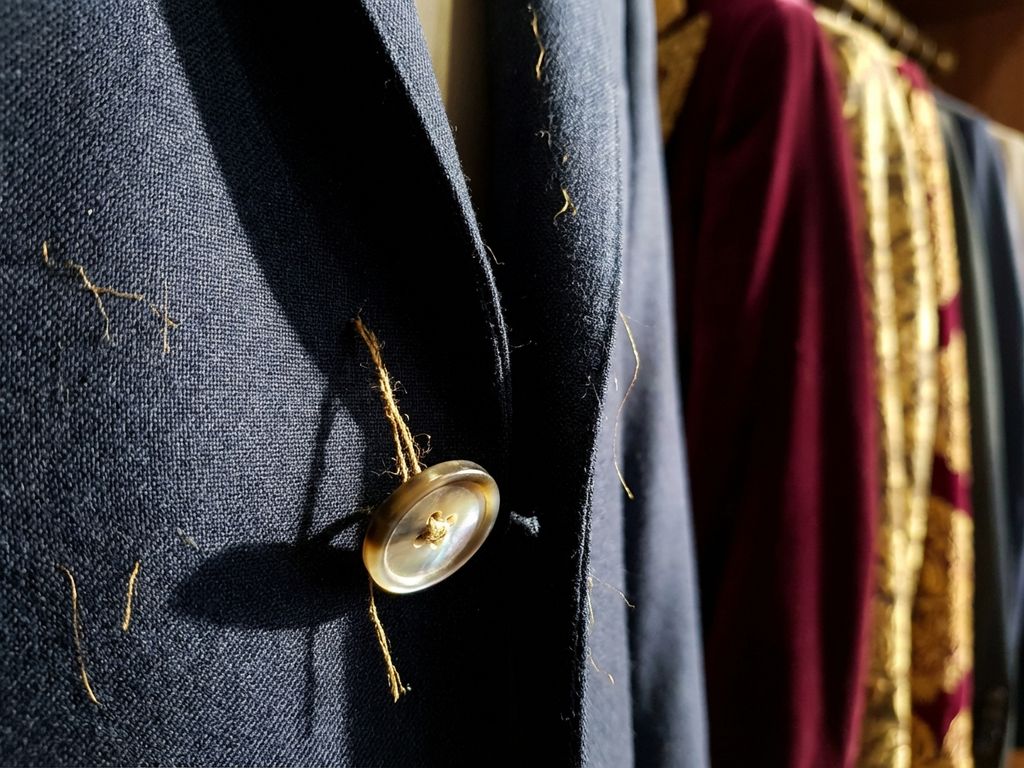
Suit buttons loosen over time due to repeated stress from daily wear, movement, and fabric tension. The combination of thread degradation, washing cycles, and natural garment flexing gradually weakens button attachments. Poor-quality thread, frequent buttoning and unbuttoning, and improper storage accelerate this process. Understanding these factors helps you maintain your suit’s appearance and prevent embarrassing button failures.
What actually makes suit buttons come loose over time?
Button loosening happens when the thread connecting the button to your suit fabric gradually weakens and stretches. Daily movements like sitting, reaching, and walking create constant tension on button threads, while the natural expansion and contraction of fabric during wear adds stress to these connection points.
Thread quality plays a major role in how quickly buttons become loose. Cheaper polyester threads break down faster than high-quality cotton or silk threads used in premium garments. The thread’s ability to maintain its integrity depends on its construction and the conditions it faces during regular wear.
Your wearing patterns significantly impact button stability. Frequent buttoning and unbuttoning creates mechanical stress at the attachment point. People who regularly fasten and unfasten their jackets throughout the day put more strain on button threads than those who wear their suits open or remove them entirely when sitting.
Environmental factors contribute to thread deterioration. Heat from dry cleaning, moisture from humidity, and chemical exposure from cleaning products gradually weaken thread fibres. Even sunlight can break down certain thread materials over time, making buttons more prone to loosening.
The suit’s construction method affects button longevity. Machine-sewn attachments often use fewer thread passes and less secure knots compared to hand-sewn buttons. The fabric type also matters – lightweight fabrics provide less support for button attachments than heavier, more stable materials.
How can you tell when a suit button is about to fall off?
Visual inspection reveals early warning signs of button failure. Loose threads visible around the button base indicate weakening attachment, while gaps between the button and fabric suggest the thread has stretched significantly. These signs appear before complete failure occurs.
Gently wiggle each button to test its stability. A secure button should move very little when pressed from side to side. Buttons that rock back and forth or feel loose under light pressure need attention before they detach completely.
Check the thread condition by looking closely at the visible stitching. Frayed, discoloured, or thin-looking thread suggests deterioration. You might notice individual thread strands breaking or the overall thread appearing fuzzy rather than smooth and tight.
Listen for subtle sounds during normal wear. Loose buttons sometimes make small clicking noises when they move against the fabric or other buttons. This audio cue often precedes visible loosening signs.
During regular suit maintenance, run your fingers along the button line to feel for any buttons that sit differently from the others. Buttons that feel raised, tilted, or unstable compared to their neighbours likely need reinforcement or replacement.
Pay attention to how buttons feel when you fasten your jacket. Buttons that seem harder to push through buttonholes or feel wobbly during fastening often have compromised attachments that require professional attention.
What’s the difference between machine-sewn and hand-sewn button attachment?
Hand-sewn buttons use multiple thread passes through the fabric and buttonholes, creating stronger, more durable attachments. Professional tailors typically make 20–30 individual stitches per button, while machine attachment often uses fewer passes with less thread security.
Machine-sewn buttons rely on speed and consistency but sacrifice some durability. The automated process creates uniform tension across all buttons but cannot adjust for individual fabric characteristics or button variations. This standardised approach works well for mass production but may not provide optimal longevity.
Hand-sewn attachments allow tailors to customise thread tension and stitch patterns based on the specific fabric and button combination. Skilled craftspeople can reinforce stress points and create more secure knots that better withstand daily wear. This personalised approach typically results in longer-lasting button attachments.
The thread quality often differs between machine and hand-sewn applications. Hand-sewn buttons frequently use higher-grade threads that complement the garment’s overall quality level. Machine applications may use standard threads that prioritise cost efficiency over maximum durability.
Repairability varies significantly between the two methods. Hand-sewn buttons can be easily reinforced or replaced by skilled tailors without affecting the surrounding fabric. Machine-sewn buttons sometimes require more extensive repair work if the original attachment points become damaged.
Price-point garments typically use machine attachment to control costs, while premium suits often feature hand-sewn buttons as part of their superior construction standards. This difference reflects the time investment and skill level required for each attachment method.
How do you prevent suit buttons from loosening in the first place?
Proper wearing habits significantly extend button life. Avoid unnecessary buttoning and unbuttoning throughout the day, and always unfasten your jacket before sitting to reduce fabric tension. When removing your suit, unbutton it completely rather than pulling it off over your head.
Storage techniques protect button attachments from unnecessary stress. Hang your suits on proper hangers that support the shoulders without stretching the fabric. Avoid overcrowding your wardrobe, which can cause buttons to press against other garments and create pressure points.
Professional suit cleaning maintains both fabric and button integrity. Choose experienced dry cleaners who understand proper garment care techniques. Excessive heat or harsh chemicals during cleaning can weaken thread fibres and accelerate button loosening.
Regular maintenance checks help identify potential problems before they become serious. Inspect your buttons monthly, looking for early warning signs of loosening or thread wear. Address minor issues promptly rather than waiting for complete failure.
Quality thread makes a substantial difference in button longevity. When having buttons replaced or reinforced, request high-quality cotton or silk thread that matches your garment’s construction standards. This investment pays dividends in extended button life.
Gentle handling during daily wear prevents unnecessary stress on button attachments. Avoid pulling or tugging on your jacket when putting it on or taking it off. Smooth, deliberate movements reduce the mechanical stress that contributes to button loosening over time.
When should you repair loose buttons yourself versus seeking professional help?
Simple button tightening can be done at home if you have basic sewing skills and the right tools. Minor loosening on casual suits or non-critical buttons like sleeve buttons are good candidates for DIY repair. However, centre-front buttons on expensive suits should always receive professional attention.
Assess your skill level honestly before attempting button repairs. Basic hand-sewing experience and steady hands are necessary for acceptable results. If you’ve never sewn buttons before, practise on old garments rather than risking damage to valuable suits.
Tool requirements for DIY repair include appropriate needles, matching thread, and small scissors. The thread colour and weight must match the original to maintain the garment’s appearance. Using incorrect materials can make repairs obvious and potentially damage the fabric.
Professional repair becomes necessary when buttonholes are damaged, fabric around the attachment point is torn, or the button itself needs replacement. Tailors have specialised tools and experience to handle complex repairs without compromising the garment’s integrity.
Consider the suit’s value when deciding between DIY and professional repair. Expensive, made-to-measure suits justify the cost of professional button maintenance. The expertise ensures repairs maintain the garment’s appearance and structural integrity.
Time constraints also influence this decision. Professional repairs typically take a few days but provide reliable, long-lasting results. DIY repairs can be completed immediately but may require redoing if not executed properly.
Risk assessment helps guide your choice. Damaging an expensive suit during attempted DIY repair often costs more than professional maintenance would have. When in doubt, consulting experienced tailors protects your investment while ensuring proper garment care.
Understanding what causes suit buttons to loosen helps you maintain your garments properly and prevent unexpected failures. Regular inspection, proper wearing habits, and knowing when to seek professional help keep your suits looking sharp and functioning perfectly. At Café Costume, we understand the importance of quality construction and proper garment care – our experienced tailors are always available to help with button maintenance and other suit care needs through our comprehensive consultation services.
Articles connexes
- Vous voulez acheter des produits à base d'huile ou de sucre pour un produit à base d'huile ?
- Comment défroisser un costume à la vapeur à la maison ?
- 6 moyens simples pour prolonger la durée de vie de votre costume
- Comment intégrer des éléments culturels dans le choix des costumes de mariage ?
- Comment acheter un paquet de cigarettes ?
