



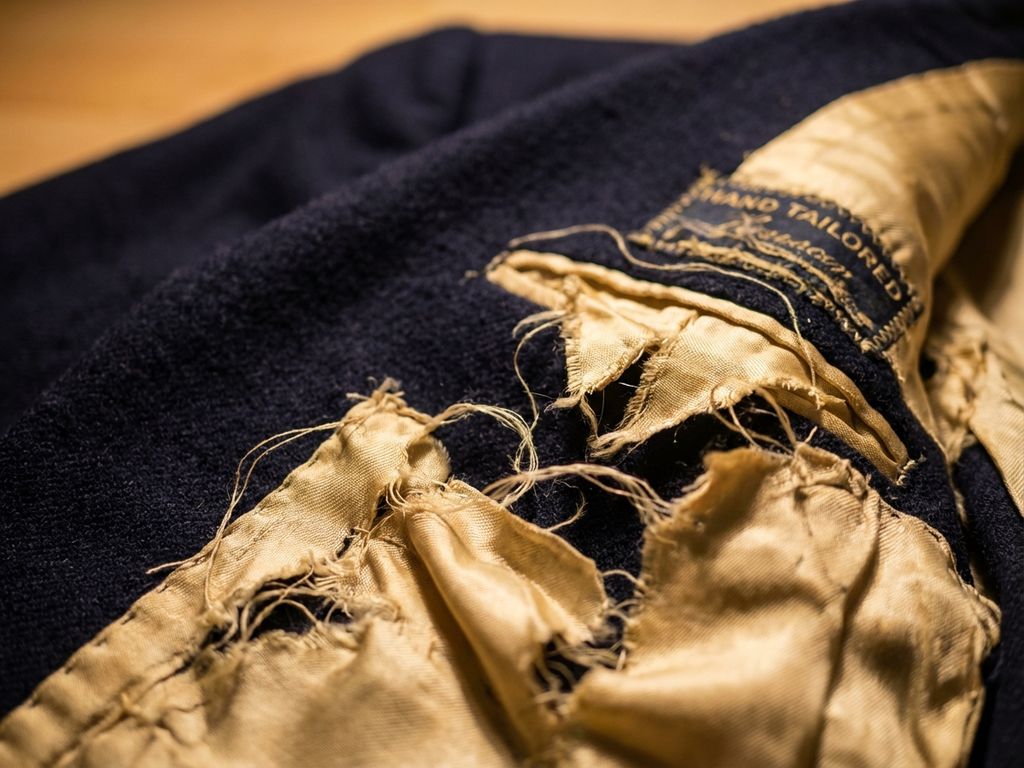
Suit lining tears occur due to fabric stress from body movement, poor construction quality, and environmental factors like heat and humidity that weaken materials over time. The main culprits include cheap lining materials, inadequate stitching, improper fit, and poor suit care practices. Recognising early warning signs and understanding quality differences helps prevent major damage, while proper maintenance significantly extends the lining’s life.
What causes suit lining to tear in the first place?
Suit lining tears primarily result from repeated stress and movement that stretch the delicate fabric beyond its limits. Your body movements create constant tension on the lining, particularly around the shoulders, armholes, and back panel, where the most stretching occurs during daily activities like reaching, sitting, and walking.
Poor construction plays a major role in premature lining failure. When tailors use inadequate stitching techniques or attach the lining too tightly to the jacket’s shell, it creates stress points that eventually give way. Quality suit construction requires the lining to have enough ease to move independently of the outer fabric, preventing excessive tension during wear.
Environmental factors significantly weaken lining materials over time. Heat and humidity cause the fibres to break down, making them brittle and prone to tearing. This explains why suit linings often fail during warmer months or in climate-controlled offices where temperature fluctuations are common.
The type of lining material also determines durability. Cheap polyester linings may feel smooth initially but lack the strength of quality materials like cupro or silk blends. These inferior fabrics cannot withstand the constant friction and movement that quality garments are subjected to.
Your wearing habits contribute to lining stress as well. Overstuffing jacket pockets, wearing the same suit repeatedly without rest periods, or failing to follow proper suit maintenance routines accelerates wear and creates weak points where tears typically begin.
How can you tell if your suit lining is about to fail?
Early warning signs include small pinholes, fraying edges, and loose threads around high-stress areas like the armholes and shoulder seams. You might also notice the lining pulling away from the jacket or developing a shiny, worn appearance where it rubs against your shirt during movement.
Check the areas where your arms move most frequently during wear. The back panel near the shoulder blades often shows the earliest signs of stress, appearing as tiny holes or thin spots in the fabric. These small issues quickly develop into larger tears if left unaddressed.
Pay attention to how the lining feels when you put on your jacket. If it seems tighter than usual or catches on your clothing underneath, the lining may have shrunk or lost its elasticity. This creates additional stress that leads to tearing.
Look for colour changes in the lining fabric, particularly around areas that experience frequent friction. Fading or discolouration often indicates the material is breaking down and becoming more susceptible to damage. Quality suit cleaning can sometimes slow this process, but replacement may be necessary.
Listen for unusual sounds when moving in your suit. A slight rustling or catching sensation often precedes visible damage and suggests the lining is no longer moving freely within the jacket’s structure.
Common failure points to inspect
The armhole seams bear the most stress during arm movement and typically show damage before other areas. Check where the sleeve lining connects to the body lining, as this junction experiences constant tension.
Examine the centre back seam, particularly if your jacket has a centre vent. This area stretches significantly when you reach forward or sit down, making it vulnerable to splitting along the seam line.
Inspect the pocket areas where the lining attaches to the jacket’s interior structure. Heavy items in pockets create additional stress points that can cause the lining to pull away from its attachments.
What’s the difference between cheap and quality suit lining?
Quality suit lining uses superior materials like cupro, silk, or premium polyester blends that resist tearing and maintain their shape over time. Cheap linings typically use basic polyester that feels slippery but lacks durability, while quality options offer better breathability, strength, and longevity when combined with proper construction methods.
Material composition makes the biggest difference in lining performance. Cupro, derived from cotton fibres, provides excellent drape and breathability while resisting static buildup. Silk linings offer luxury and durability but require more careful suit maintenance. High-quality polyester blends combine affordability with improved performance compared to basic synthetic options.
Construction techniques clearly separate quality from budget linings. Premium suits feature hand-sewn attachment points that allow the lining to move independently of the outer fabric. Cheap suits often use machine stitching that creates rigid connections, leading to stress concentration and eventual tearing.
The amount of ease built into the lining dramatically affects its longevity. Quality tailors cut lining pieces slightly larger than the jacket shell, creating freedom of movement. Budget manufacturers often skimp on fabric, making linings too tight and prone to stress-related damage.
Finishing details also reveal construction quality. Premium linings feature French seams or bound edges that prevent fraying, while cheap versions use basic serged edges that deteriorate quickly. Quality button attachments and internal pocket construction also contribute to overall durability.
Material comparison guide
Cupro linings offer the best balance of durability and comfort for most wearers. This material breathes well, resists wrinkles, and maintains its shape through regular suit care routines. It costs more than basic polyester but provides significantly better value over time.
Silk linings provide a luxurious feel and excellent drape but require gentle handling during suit cleaning. They work best for special-occasion garments that receive less frequent wear and more careful treatment.
Premium polyester blends offer practical benefits for business suits worn regularly. Modern synthetic materials can match natural fibres for comfort while providing easier garment care and better stain resistance.
How do you properly care for suit lining to prevent damage?
Proper suit care begins with correct hanging techniques using quality wooden hangers that support the jacket’s shape without creating stress points. Allow suits to rest between wears, rotate your wardrobe regularly, and follow professional suit cleaning guidelines to maintain lining integrity and prevent premature wear.
Hanging your suits correctly prevents lining stress and maintains the garment’s structure. Use broad-shouldered wooden hangers that match your jacket’s shoulder width. Avoid wire hangers or narrow plastic options that create pressure points and distort the lining’s natural drape.
Give your suits adequate rest between wears to allow the lining to recover from stretching and return to its natural state. Wearing the same suit daily prevents the fabric from relaxing and accelerates wear patterns that lead to tearing.
Professional suit cleaning every 6–8 wears helps maintain lining condition while removing oils and perspiration that weaken fibres over time. Choose dry cleaners experienced with quality garments who understand proper pressing techniques that won’t damage delicate lining materials.
Store suits in breathable garment bags or well-ventilated wardrobes to prevent moisture buildup that degrades lining materials. Avoid plastic bags for long-term storage, as they trap humidity and promote fabric deterioration.
Daily wearing habits that protect lining
Empty your pockets before hanging suits to prevent stretching and distortion of the lining around pocket areas. Heavy items create stress points that eventually lead to tearing, particularly around internal pocket attachments.
Avoid excessive reaching or stretching while wearing your suit, especially when the jacket is buttoned. These movements place maximum stress on the lining and can cause immediate damage in poorly constructed garments.
Remove your jacket when sitting for extended periods to reduce stress on the back panel lining. This simple habit significantly extends the life of your suit while maintaining its appearance.
Storage and maintenance tips
Maintain consistent temperature and humidity in your wardrobe area to prevent lining materials from becoming brittle. Extreme temperature changes cause fabrics to expand and contract, weakening the fibres over time.
Brush your suits regularly with a quality garment brush to remove surface dirt and lint that can work into the lining through the fabric weave. This simple suit maintenance step prevents abrasive particles from causing premature wear.
Address minor lining issues immediately before they become major problems. Small tears or loose threads can often be repaired easily by a skilled tailor, preventing the need for complete lining replacement.
Understanding why suit linings tear and how to prevent this helps you make better choices when selecting garments and caring for your wardrobe. Quality construction, proper materials, and consistent garment care work together to ensure your suits maintain their appearance and comfort for years. When you invest in well-made suits and follow proper suit maintenance practices, you protect both your investment and your professional appearance. We specialise in creating suits with superior lining construction and can guide you through the selection process to ensure your garments meet the highest standards of quality and durability.
Articles connexes
- 5 conseils pour que vous puissiez vous débarrasser de votre problème de tabagisme parfait
- Qu'est-ce qu'un smoking de mariage ?
- 3 façons de personnaliser votre costume de mariage avec des détails
- Comment préparer un paquet de cigarettes de la meilleure façon possible ?
- Comment rafraîchir un costume entre deux nettoyages professionnels ?
