



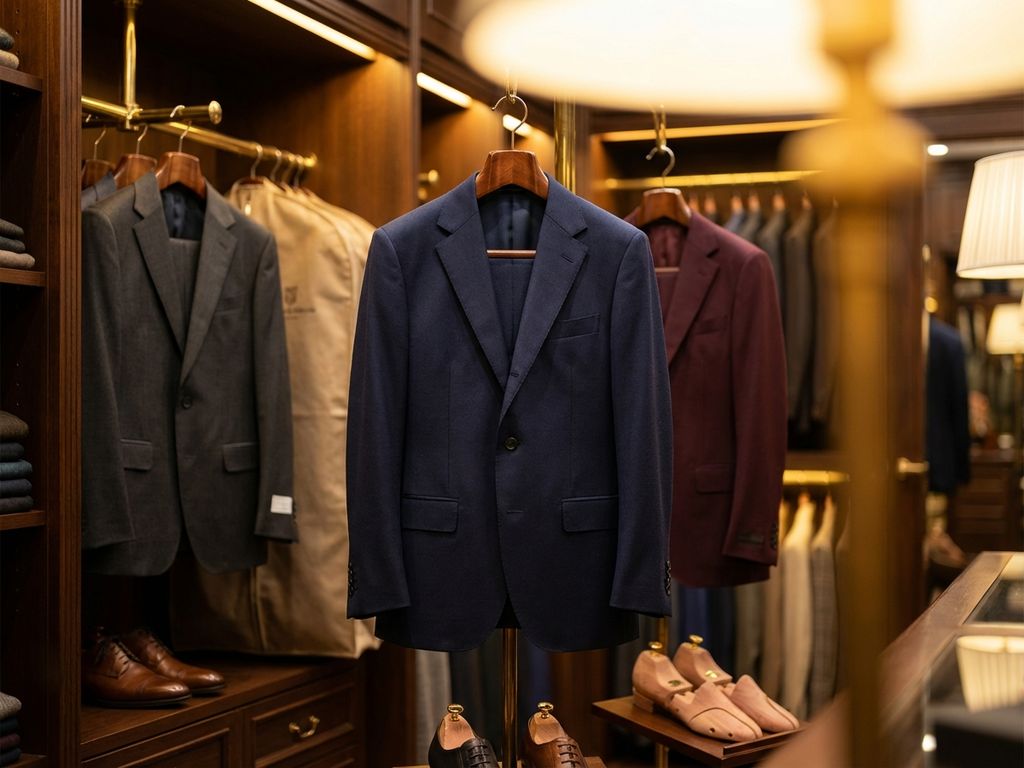
Suit rotation refers to alternating between multiple suits rather than wearing the same one repeatedly. This practice prevents fabric fatigue, maintains garment shape, and significantly extends your suits’ lifespan. Proper rotation involves giving each suit 24–48 hours of rest between wears, allowing fibres to recover and moisture to evaporate. Understanding rotation principles, wearing frequency, and wardrobe size requirements helps maximise your investment while maintaining professional appearance standards.
What does suit rotation actually mean and why does it matter?
Suit rotation means systematically alternating between different suits instead of wearing the same garment daily. This practice gives each suit adequate rest time between wears, allowing natural fibres to recover their shape and release accumulated moisture.
The importance of rotation lies in fabric science. Natural fibres like wool have elastic properties that compress during wear. When you sit, move, or simply carry the weight of the fabric throughout the day, these fibres stretch and bend. Without proper rest, they lose their ability to return to their original state, leading to permanent shape distortion.
Moisture management represents another critical aspect of suit care. Your body naturally produces moisture throughout the day, which fabrics absorb. Quality suit fabrics need time to release this moisture completely. Wearing a damp suit not only feels uncomfortable but also accelerates fabric degradation and can lead to unpleasant odours.
Temperature regulation also plays a role in fabric longevity. Suits worn on consecutive days do not have time to return to room temperature, which can affect the fabric’s natural properties and accelerate wear patterns.
Professional suit maintenance becomes much easier with proper rotation. You’ll notice fewer wrinkles, better shape retention, and a reduced need for frequent dry cleaning. This translates to significant cost savings over time while maintaining a consistently sharp appearance.
How often should you actually wear the same suit?
You should wear the same suit no more than once every 24–48 hours, with 48 hours being ideal for optimal fabric recovery. This rest period allows natural fibres to regain their shape and completely release absorbed moisture from the previous wear.
The 24-hour minimum applies to emergency situations or when you have limited wardrobe options. However, 48 hours provides superior results for garment care and longevity. During this time, hang your suit properly on quality hangers in a well-ventilated area.
Several signs indicate when a suit needs extended rest beyond the standard period. Visible wrinkles that do not hang out naturally, persistent odours, or fabric that feels damp or heavy all suggest your suit requires additional recovery time. In humid climates or during summer months, you might need to extend rest periods to 72 hours.
Professional appearance needs do not have to conflict with proper entretien des vêtements. Many professionals successfully maintain impeccable standards with just two quality suits, alternating daily. The key lies in choosing versatile pieces that work across multiple occasions and pairing them with different shirts, ties, and accessories.
Consider your weekly schedule when planning rotation. If you wear suits five days per week, three suits provide comfortable rotation with built-in flexibility for unexpected events. This allows each suit adequate rest while ensuring you always have a fresh option available.
Special circumstances may require adjustments to standard rotation schedules. Business travel, important presentations, or social events might influence your choices, but try to maintain the fundamental principle of giving suits adequate rest between wears.
What happens to your suit when you don’t rotate it properly?
Improper rotation leads to accelerated fabric breakdown, permanent wrinkles, shape loss, and a significantly reduced suit lifespan. Without adequate rest, natural fibres become permanently compressed, losing their elasticity and ability to maintain the suit’s original silhouette and structure.
Fabric damage occurs at the molecular level when suits are overworn. Wool fibres have a natural crimp that provides elasticity and shape memory. Continuous wear without rest periods causes these fibres to lose their spring-back ability, resulting in permanent deformation. You’ll notice this first in high-stress areas like the seat, knees, and elbows.
Permanent wrinkles develop when compressed fibres cannot recover their original position. Unlike temporary wrinkles that hang out with proper rest, these become set into the fabric structure. Professional pressing can temporarily improve appearance, but the underlying damage remains, requiring increasingly frequent maintenance.
Shape loss affects the entire garment’s appearance and fit. Jackets lose their structured silhouette, trouser creases become less defined, and the overall drape deteriorates. This is particularly noticeable in the jacket’s chest area and trouser seat, where body heat and movement create the most stress.
Moisture-related damage compounds these issues. Suits that do not dry completely between wears can develop mildew, persistent odours, and fabric degradation. Natural fibres become weak when constantly damp, making them more susceptible to tearing and general deterioration.
The economic impact of poor rotation practices is substantial. Suits requiring frequent professional cleaning, pressing, and repairs cost significantly more to maintain. Eventually, premature replacement becomes necessary, turning what should be a long-term investment into an ongoing expense.
Professional appearance suffers when suits are not properly rotated. Colleagues and clients notice wrinkled, poorly fitting, or tired-looking garments, potentially affecting your professional image and confidence.
How many suits do you need for proper rotation?
Most professionals need a minimum of two to three suits for proper rotation, depending on how frequently they wear suits. Two suits work for occasional wear, while three to five suits provide optimal rotation for daily suit wearers, ensuring each garment gets adequate rest.
Your profession significantly influences wardrobe requirements. Lawyers, bankers, and corporate executives who wear suits daily benefit from having at least four to five suits. This allows for proper rotation, seasonal variations, and flexibility for special occasions or unexpected events.
Sales professionals or consultants might manage effectively with three quality suits, especially if their dress code allows some flexibility with blazers and trousers. The key lies in choosing versatile pieces that work across multiple contexts and seasons.
Creative professionals or those in business-casual environments often find two well-chosen suits sufficient, supplemented by blazers and dress trousers for variety. Focus on classic colours and cuts that remain stylish and appropriate across different situations.
Budget constraints need not prevent proper rotation. Start with two quality suits rather than buying multiple cheaper options. Invest in classic navy and charcoal grey suits that work for most business situations. Add additional pieces gradually as your budget allows.
Strategic wardrobe building involves choosing complementary pieces that maximise versatility. Consider seasonal needs when planning purchases. Lightweight fabrics for summer and heavier cloths for winter ensure year-round comfort and an appropriate appearance.
Quality trumps quantity in suit rotation systems. Two expertly crafted suits will serve you better and last longer than five poorly made alternatives. Focus on proper fit, quality construction, and classic styling that will not quickly become outdated.
Geographic location affects rotation needs. Professionals in humid climates may require additional suits due to extended drying times, while those in dry climates might manage with fewer pieces due to faster moisture evaporation.
Building an effective rotation system takes time and planning. Start with essential pieces and gradually expand based on your specific needs, lifestyle, and professional requirements. Regular assessment helps ensure your wardrobe continues to meet your evolving needs.
Understanding suit rotation fundamentals helps you make informed decisions about entretien du costume and wardrobe planning. Proper rotation extends garment life, maintains a professional appearance, and maximises your clothing investment. Whether you are building your first professional wardrobe or refining an existing collection, these principles ensure your suits serve you well for years to come. At Café Costume, we understand that proper suit care begins with smart wardrobe planning, and our personal style consultation service helps you build a rotation system that perfectly matches your lifestyle and professional needs.
Articles connexes
- Comment nettoyer un costume à la maison ?
- Quelle est la différence entre la location et l'achat d'un costume de mariage ?
- Quelle est la différence entre l'odeur et la couleur d'un sachet ?
- Pourquoi faut-il vider les poches des costumes avant de les ranger ?
- Quel est le lien entre la température et la nature d'un paquet ?
