



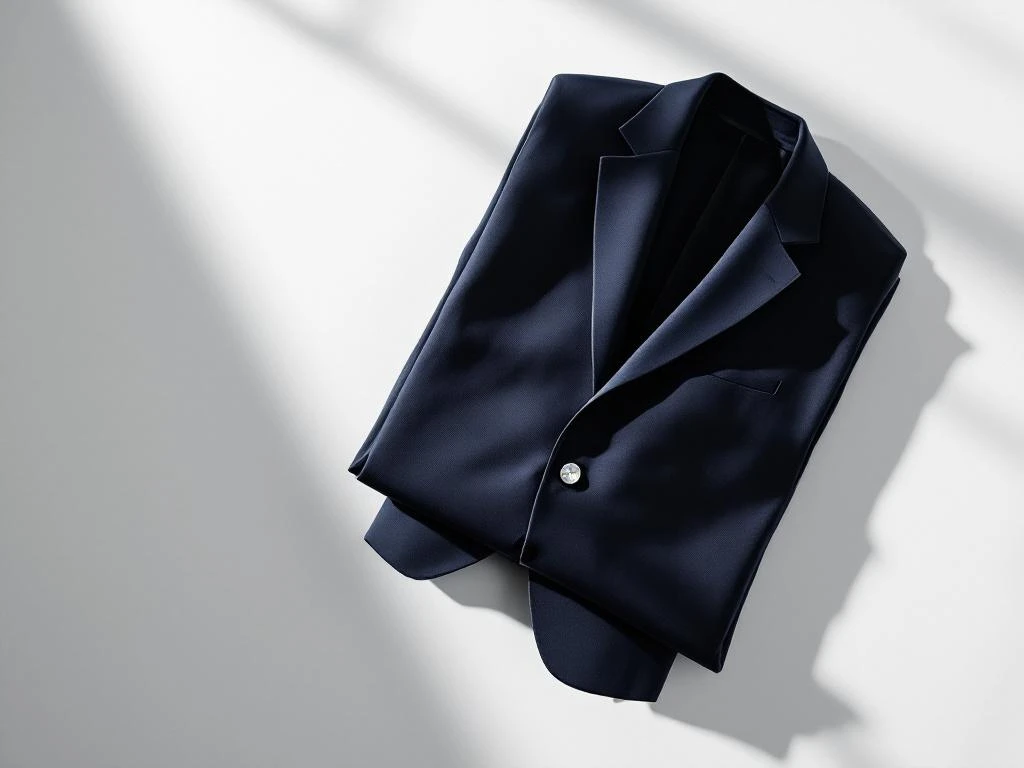
Folding a suit properly for travel protects the fabric from damage and prevents stubborn wrinkles that can ruin your professional appearance. The inside-out folding technique minimises creases by protecting the outer fabric and distributing pressure evenly across the garment. Combined with proper trouser folding and strategic packing, you can arrive at your destination with a suit that looks sharp and ready to wear.
Why does folding a suit properly matter when you travel?
Improper folding damages suit fabric by creating sharp creases that weaken fibres and distort the garment’s structure. Quality suits feature carefully constructed shoulders, lapels, and chest pieces that lose their shape when folded incorrectly. The damage becomes permanent over time, particularly with made-to-measure garments where the tailoring represents a significant investment.
When you fold a suit carelessly, you’re forcing the fabric against its natural grain and putting stress on areas that weren’t designed to bend. The canvas interlining in the chest, the padding in the shoulders, and the careful shaping throughout the jacket all suffer when compressed incorrectly. These structural elements give your suit its professional silhouette, and once they’re compromised, even expert pressing can’t fully restore the original shape.
Proper suit storage during travel preserves the garment’s construction and keeps you looking polished. The right folding technique distributes pressure across the suit rather than concentrating it in specific areas. This approach protects both the outer fabric and the internal structure, ensuring your suit maintains its intended fit and drape when you need it most.
What’s the best method to fold a suit jacket for travel?
The inside-out folding method protects your suit jacket by keeping the outer fabric on the inside where it won’t rub against other items. Turn one shoulder inside-out, then tuck the other shoulder into it so the shoulders meet. Fold the jacket in half lengthwise, creating a compact rectangle that distributes pressure evenly and minimises visible creasing on the fabric you’ll actually wear.
Here’s how to fold a suit jacket step by step. Hold the jacket facing you and reach into one shoulder with your hand. Turn that shoulder completely inside-out, pulling the lining through so it’s exposed. Take the other shoulder and tuck it into the inside-out shoulder, allowing them to nestle together naturally. The jacket now forms a shape where the shoulders are together and the outer fabric is protected.
Gently fold the jacket in half from bottom to top, bringing the hem up to meet the collar area. You’ll end up with a compact package roughly the size of a large book. This technique works because it avoids sharp creases on the visible outer fabric. Any fold lines that do form appear on the lining or in areas that naturally have some give. The shoulder padding cushions itself, and the pressure distributes across the entire folded surface rather than creating single stress points.
Place the folded jacket with the fold at the bottom of your luggage where it’s less likely to shift during travel. Avoid putting heavy items directly on top, as this can set creases despite your careful folding.
How do you pack suit trousers without creating creases?
Fold suit trousers along the existing crease lines to avoid creating new wrinkles in unwanted places. Lay the trousers flat, align the legs so the creases match perfectly, then fold them lengthwise once or twice depending on your luggage size. Place them flat in your bag with minimal items on top to prevent pressure points that cause permanent creasing.
The lengthwise folding method respects the trouser’s construction. Your suit trousers already have pressed creases running down the front of each leg, and folding along these lines reinforces rather than fights the garment’s intended shape. Lay the trousers on a flat surface and smooth them completely. Make sure the inner and outer leg seams align properly, which ensures the front creases line up correctly.
You can fold the trousers in half once for larger bags or twice for compact luggage. If folding twice, bring the ankles up to meet the waistband, then fold that in half again. Each fold should be smooth and deliberate, not bunched or twisted. Some travellers prefer rolling trousers, but this technique works better for casual fabrics than suit materials, which can develop rolling creases that are harder to remove than fold lines.
Position your folded trousers on top of the folded jacket in your luggage. This arrangement provides some cushioning for the jacket while keeping the trousers relatively flat. If you’re packing multiple suits, alternate jacket and trouser layers with tissue paper between them for additional protection.
What should you pack your suit in for the best protection?
A quality garment bag offers the best protection for suits during travel, keeping them hanging and relatively wrinkle-free. For checked or compact luggage, a hard-shell carry-on provides structure that prevents crushing. Position your folded suit on top of other items with soft clothing like jumpers around it for cushioning, and avoid overpacking which creates pressure and sets creases.
Garment bags work brilliantly when you can carry them separately or hang them in aircraft wardrobes on longer flights. They allow the suit to travel in its natural hanging position, which prevents most wrinkles entirely. Look for bags with sturdy hangers and enough length that your jacket and trousers don’t bunch at the bottom.
When using standard luggage, hard-shell cases protect better than soft bags because they resist external pressure. Place heavier items like shoes and toiletries at the bottom near the wheels. Build up with softer items, then place your folded suit near the top where it experiences less compression. Surround the suit with items that provide cushioning without weight. T-shirts, underwear, and lightweight jumpers work well as protective layers.
Tissue paper or a thin cotton garment bag between folds helps prevent friction and colour transfer from other clothing. Some travellers pack a portable steamer or wrinkle-release spray, which adds weight but provides insurance for important occasions. Carry-on luggage gives you more control over how your suit is handled. Checked bags experience rougher treatment, increasing the chance of damage regardless of how carefully you’ve packed.
How do you get wrinkles out of a suit after travelling?
Hang your suit immediately upon arrival in a steamy bathroom while you shower. The humidity relaxes fibres and releases light wrinkles naturally. For stubborn creases, use a portable steamer or hotel pressing service. Hanging the suit overnight in open air also helps, as gravity gently pulls out minor wrinkles while the fabric breathes and recovers from compression.
The bathroom steam method works remarkably well for travel wrinkles. Hang your suit on the shower rail or door hook, making sure it’s not close enough to get wet. Run hot water in the shower for 10-15 minutes with the door closed, creating a steam room effect. The moisture penetrates the fabric and allows compressed fibres to relax and return to their natural state. Leave the suit hanging in the bathroom for 30 minutes after steaming, then move it to open air to dry completely.
A portable steamer provides more targeted wrinkle removal and works faster than passive steam. Hold the steamer a few centimetres from the fabric and work in downward strokes, allowing the steam to penetrate without soaking the material. Pay particular attention to the lapels, shoulders, and any visible creases on the trouser legs. Most hotel irons work adequately if you’re comfortable pressing your own suit, but use a pressing cloth to protect the fabric and avoid creating shine on the surface.
Professional hotel pressing services deliver the best results when you need perfection for an important wedding or event. Request service the evening before you need the suit, giving staff adequate time for proper suit cleaning and pressing. Many hotels offer same-day or express service for an additional fee.
Prevention helps as much as correction. Unpack your suit as soon as you reach your accommodation, even if you’re tired. Every hour a suit remains folded in luggage makes wrinkles more stubborn. Hang it properly on a wide-shouldered hanger that supports the jacket’s structure, and give trousers their own hanger with the waistband secured to prevent sliding.
Mastering how to fold a suit transforms business travel from stressful to manageable. When you understand how it works with proper folding techniques and packing strategies, you protect your investment and maintain a professional appearance wherever your journey takes you. At Café Costume, we know that a well-made suit deserves careful handling, and these travel techniques ensure your tailored garments look as sharp on arrival as they did when you left home. If you need expert advice on suit care or have questions about maintaining your garments, feel free to contact our team for personalised guidance.
