



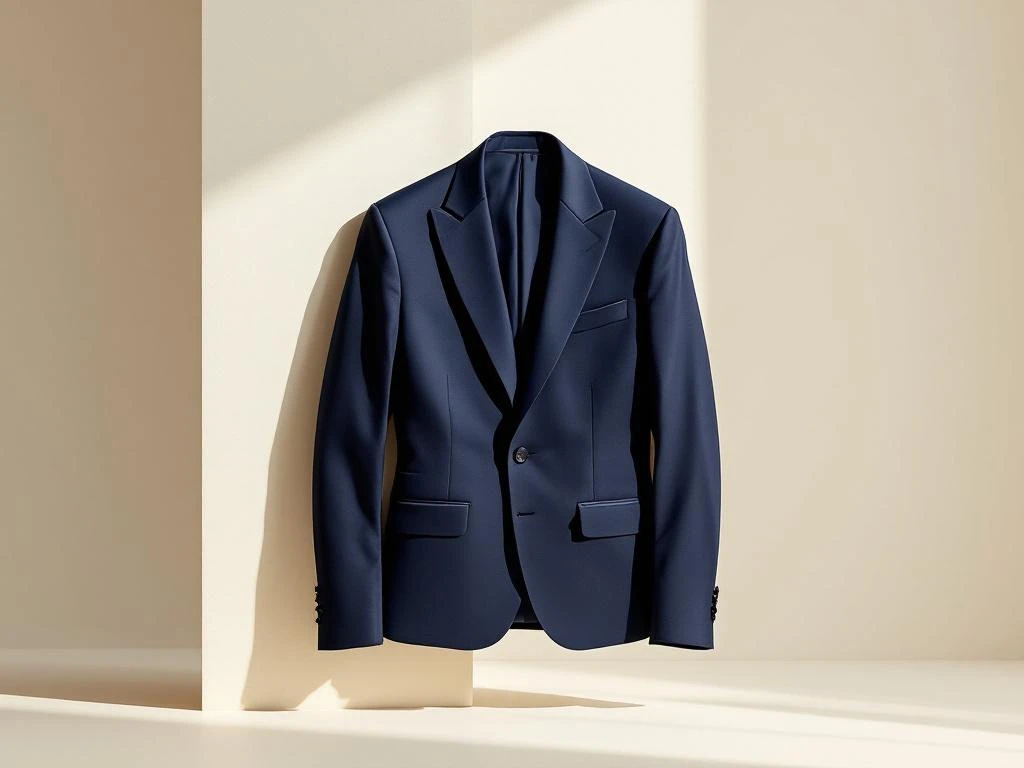
The best method to fold a suit jacket is the inside-out technique, which protects the outer fabric from creasing during travel. You turn one shoulder inside out, tuck the other shoulder into it, then fold the jacket in half lengthwise to create a compact bundle. This approach works for most suit jackets and keeps them looking sharp when you reach your destination.
What is the proper way to fold a suit jacket?
The inside-out folding method is the most reliable way to protect your suit jacket during travel. Start by holding the jacket with both hands at the shoulders, facing you. Turn one shoulder completely inside out, reaching inside to pull the fabric through. Then take the other shoulder and tuck it inside the inverted shoulder, creating a pocket effect where both shoulder pads nestle together.
Once both shoulders are secured together, fold the jacket in half lengthwise along the centre back seam. The lining now faces outward whilst the outer fabric remains protected inside. Smooth out any obvious wrinkles with your hands as you fold. You’ll end up with a compact rectangular bundle that’s roughly half the size of the original jacket.
This technique works particularly well because the shoulder padding acts as a natural cushion for the rest of the garment. The structured elements of the jacket support the softer fabric areas, preventing sharp creases from forming. You can use this method whether you’re packing for a weekend trip or storing a jacket temporarily.
Why does folding a suit jacket inside-out prevent wrinkles?
The inside-out method protects your jacket because it uses the garment’s own construction as a defence against creasing. When you fold the shoulders together inside-out, the padding and canvas interlining create a protective buffer between layers of fabric. The outer material never folds sharply against itself, which is what causes visible creases.
Suit jackets are built with multiple layers. The outer fabric sits on top of canvas or fusible interlining, which provides structure. Beneath that, you’ll find the lining. When folded inside-out, these layers work together differently than when folded normally. The lining takes any stress from the fold rather than the visible outer fabric, and linings are typically made from materials that resist creasing more effectively.
The shoulder pads play an important role too. These structured elements maintain their shape under pressure, creating a cushioned space within the folded jacket. This prevents the fabric from being compressed into sharp angles. Think of it like wrapping something fragile in bubble wrap—the padding absorbs the pressure that would otherwise damage the delicate outer surface.
This matters because suit fabric, particularly wool and wool blends, can develop memory creases when folded incorrectly. Once these creases set in, they become difficult to remove without professional pressing. The inside-out method significantly reduces this risk, keeping your jacket looking presentable even after hours in a suitcase.
How do you pack a folded suit jacket in a suitcase?
Position your folded jacket on top of everything else in your suitcase as the final item before closing. This placement prevents heavier items from crushing the fabric and creating deep creases. The jacket should lie flat across the other contents, using them as a supportive base rather than being squeezed between layers.
You can also use the folded jacket strategically to protect other garments. Place delicate items like dress shirts inside the folded jacket before packing it. The jacket’s structure provides cushioning whilst the soft items inside help the jacket maintain its shape. Filling the jacket with rolled t-shirts or socks works particularly well—these items nestle into the shoulder area and prevent the fabric from collapsing inward.
Avoid packing shoes directly against your folded jacket. Shoes have hard edges and soles that can press into the fabric, leaving impressions that are difficult to remove. If you must pack shoes in the same compartment, wrap them in a shoe bag or place them in a separate section of your luggage.
Never compress your suitcase excessively when a suit jacket is inside. Whilst modern luggage often includes compression straps, using them too aggressively defeats the purpose of careful folding. You want the jacket snug but not crushed. If you’re struggling to close your suitcase, remove other items rather than forcing it shut on top of your jacket.
What should you do with a suit jacket immediately after unpacking?
Hang your jacket on a proper suit hanger as soon as you unpack. Use a hanger with wide, contoured shoulders that support the jacket’s structure—wire hangers from hotels won’t do the job properly. The jacket needs to hang freely in an open space where air can circulate around it, allowing the fabric to breathe and naturally release minor creases.
If you notice wrinkles, hang the jacket in the bathroom whilst you take a hot shower. The steam helps relax the fibres without direct contact. Keep the jacket away from direct water spray, but let it absorb the humid air for 10-15 minutes. This gentle approach works well for minor creases that formed during travel.
Give the fabric time to recover before wearing the jacket. Wool and wool-blend fabrics have natural elasticity that allows them to bounce back from folding, but this process takes a few hours. Letting the jacket hang overnight produces better results than rushing to wear it immediately after unpacking.
For stubborn creases that don’t release with hanging and steam, you’ll need professional pressing. Don’t attempt to iron a suit jacket yourself unless you’re experienced with garment care—suit jackets require specific techniques and temperature settings that differ from regular clothing. A professional presser understands how to work with the jacket’s construction, including the canvas interlining and shoulder padding, without damaging these elements.
When it comes to suit storage between wears, proper hanging prevents the need for folding altogether. If you travel frequently or want expert guidance on maintaining your tailored garments, learn how our service works to keep suits in excellent condition. Whether you’re preparing for a wedding or caring for a jacket after a journey, these techniques help protect your investment in quality tailoring. For more information about our approach to garment care, visit our about page, or feel free to contact us with any questions about suit maintenance.
