



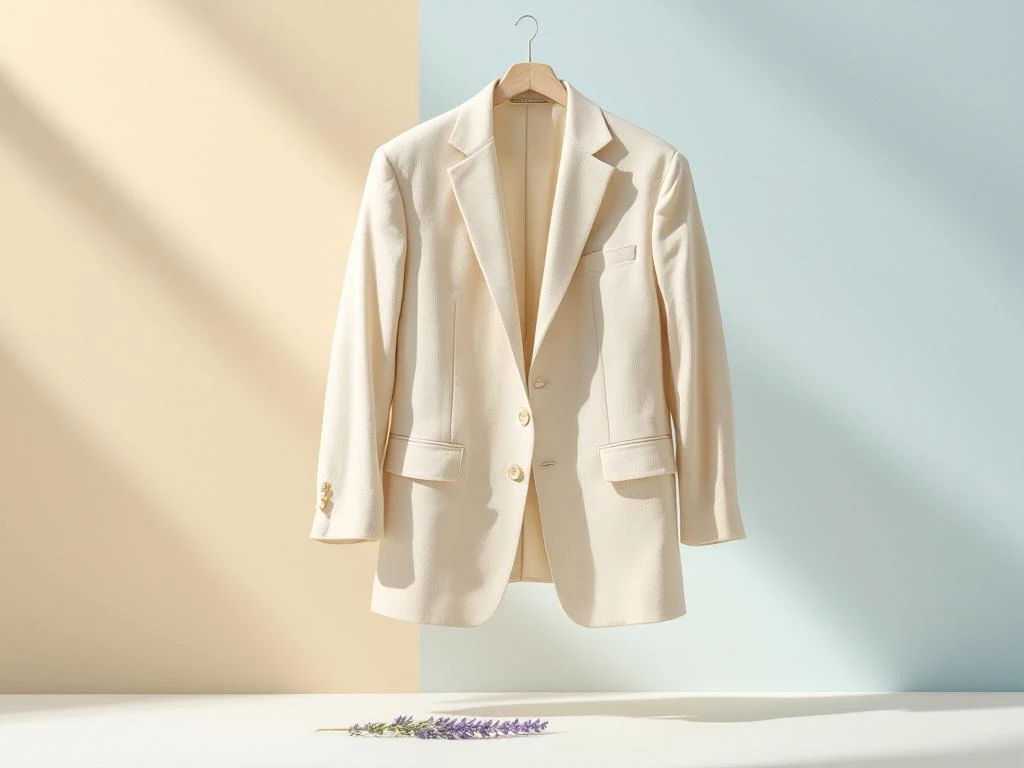
Summer wedding suits are formal garments designed specifically for warm weather celebrations, featuring lightweight fabrics, breathable construction, and lighter colour palettes that balance elegance with comfort. Unlike traditional wedding attire, these suits prioritise temperature regulation through fabric choice, reduced lining, and construction details that allow air circulation whilst maintaining the sophisticated appearance appropriate for wedding occasions.
What makes a suit right for summer weddings?
A summer wedding suit combines breathable fabrics, lighter construction, and appropriate styling to keep you comfortable in warm weather whilst maintaining formal elegance. The fabric weight typically ranges from 240-290 grams per metre, significantly lighter than standard suits. Breathability comes from natural fibres and looser weaves that allow air circulation against your skin.
The colour palette shifts towards lighter shades that reflect rather than absorb heat. Pale blues, soft greys, beiges, and even lighter earth tones work beautifully for summer celebrations. These colours naturally feel cooler and photograph wonderfully in bright outdoor settings.
Construction details matter tremendously. Summer wedding suits often feature half-lined or unlined jackets that eliminate the extra fabric layer trapping heat against your body. The shoulder construction might be softer and less structured, reducing weight and improving air flow. You’ll want to look for patch pockets rather than flapped pockets when possible, as they add less bulk.
The balance between formal elegance and practical comfort defines summer wedding suits. You’re still wearing proper formal attire that respects the occasion, but every element has been considered for warm weather performance. This means you can participate fully in the celebration without constantly thinking about how uncomfortable you feel.
Which fabrics work best for summer wedding suits?
Lightweight wool remains the most versatile choice for summer wedding suits, particularly tropical wool and fresco weaves. These fabrics weigh around 240-280 grams per metre, roughly half the weight of winter suiting. The open weave structure allows excellent air circulation whilst maintaining the drape and structure you need for formal wear. Tropical wool resists wrinkles reasonably well and holds its shape throughout long wedding days.
Linen offers unmatched breathability and a relaxed aesthetic perfect for outdoor summer weddings. The natural fibres wick moisture away from your body and dry quickly. However, linen wrinkles easily, which some people love for its casual elegance whilst others find impractical. If you choose linen, embrace the relaxed texture rather than fighting against it.
Cotton suits provide excellent comfort and breathability at accessible price points. High-quality cotton suiting maintains reasonable structure whilst feeling soft against your skin. Cotton works particularly well for daytime weddings and semi-formal occasions. The fabric does wrinkle more than wool, so you’ll want to hang it properly between wearing.
Fresco wool deserves special mention for its distinctive open weave that creates tiny air pockets throughout the fabric. This construction provides exceptional breathability whilst maintaining formal appearance. Fresco suits look crisp and professional even in significant heat.
Blended fabrics combine natural fibres with small amounts of synthetic materials to improve wrinkle resistance and durability. A wool-mohair blend, for example, adds breathability and lustre whilst maintaining structure. Look for blends that remain primarily natural fibre for best temperature regulation.
Your fabric choice should match the wedding formality and location. Beach weddings suit linen beautifully, whilst formal church ceremonies call for tropical wool or fresco. Consider your personal comfort preferences and how much wrinkling you can tolerate when making your selection.
What colours and styles suit summer weddings?
Light neutrals dominate summer wedding colour palettes, with pale grey, stone, beige, and cream leading the options. These colours reflect sunlight rather than absorbing heat, keeping you noticeably cooler. Pale blue suits work beautifully for summer celebrations, offering a fresh alternative to traditional neutrals whilst maintaining formality.
Pastels have become increasingly popular for summer wedding suits, particularly soft pink, lavender, and sage green. These colours photograph wonderfully in natural light and feel seasonally appropriate. You’ll want to ensure the shade complements your skin tone and matches the wedding’s formality level.
Earth tones like tan, sand, and warm grey provide versatile options that work across different wedding styles. These colours pair easily with various shirt and tie combinations, giving you flexibility in your overall look.
Darker colours can work for summer weddings if constructed properly. A navy suit in lightweight tropical wool remains comfortable and appropriate, particularly for evening celebrations. The key is fabric weight and construction rather than colour alone.
Style choices significantly impact summer comfort. Single-breasted jackets with two or three buttons provide better ventilation than double-breasted styles. Notch lapels in moderate width suit most body types and occasions. Peak lapels add formality when needed but ensure they’re not too wide, which adds visual weight inappropriate for summer.
Lining choices dramatically affect temperature regulation. Request half-lining that covers only the upper back and sleeves, or consider unlined jackets for maximum breathability. The trousers should be unlined for comfort.
Construction details like patch pockets, softer shoulders, and lighter canvas interlining all contribute to summer comfort. These elements reduce weight and bulk whilst maintaining the structure needed for formal occasions. You’re aiming for a suit that looks polished but doesn’t feel heavy or restrictive.
How do you stay comfortable in a suit during warm weather weddings?
Construction choices form your first line of defence against heat. Half-lined or unlined jackets eliminate the extra fabric layer that traps warmth against your body. Request unlined trousers as well, since leg comfort matters as much as your upper body. The reduced lining allows air to circulate freely whilst maintaining the suit’s appearance.
Your shirt selection impacts comfort significantly. Choose lightweight cotton or linen shirts with good breathability. Ensure the collar fits properly without being too tight, as this affects temperature regulation around your neck. Consider bringing an extra shirt if you perspire heavily, allowing you to change before photographs or the reception.
Breathable accessories make a real difference. Opt for lightweight silk or linen ties rather than heavy wool versions. Your pocket square should be cotton or linen. Choose thin dress socks in natural fibres, and ensure your shoes allow some air circulation.
Fit considerations become more important in warm weather. Your suit should fit well without being tight anywhere. Tight clothing restricts air circulation and increases discomfort. Pay particular attention to the collar, waist, and armholes, ensuring you can move freely without excess fabric bunching.
Timing strategies help you stay comfortable throughout the celebration. You don’t need to wear your jacket constantly. Put it on for the ceremony, formal photographs, and key moments, but feel free to remove it during cocktail hour or reception. This approach keeps you comfortable whilst ensuring you look proper when it matters most.
Preparation helps tremendously. Arrive early enough to cool down before the ceremony begins. Stay hydrated throughout the day. If possible, keep your suit in air conditioning until you need to dress. These small steps prevent you from starting the celebration already overheated.
Proper tailoring impacts temperature regulation more than many people realise. A well-fitted suit distributes fabric efficiently, eliminating excess material that traps heat. The jacket should sit properly on your shoulders without pulling or bunching. Trouser length should be correct to avoid fabric pooling around your ankles. When every element fits as it should, you’ll feel noticeably cooler and more comfortable throughout the wedding celebration.
Summer weddings demand thoughtful attention to fabric, colour, construction, and fit. When you choose the right elements for warm weather, you’ll look sharp and feel comfortable throughout the celebration. If you’re looking for expert guidance in creating the perfect summer wedding suit, learn more about our approach to tailoring or discover how it works. Our tailors understand how to build suits that perform beautifully in warm weather whilst maintaining the sophisticated appearance appropriate for important occasions. Feel free to contact us for personalized advice on your summer wedding attire.
Related Articles
- Bruidegom outfit inspiratie: de mooiste trouwlooks van het seizoen
- Pak dragen in de lente: hoe blijf je stijlvol én comfortabel?
- Wat is het verschil tussen stomen en nat reinigen van een pak?
- What is the difference between suit brushing and lint rolling?
- 6 eenvoudige manieren om de levensduur van je pak te verlengen
