



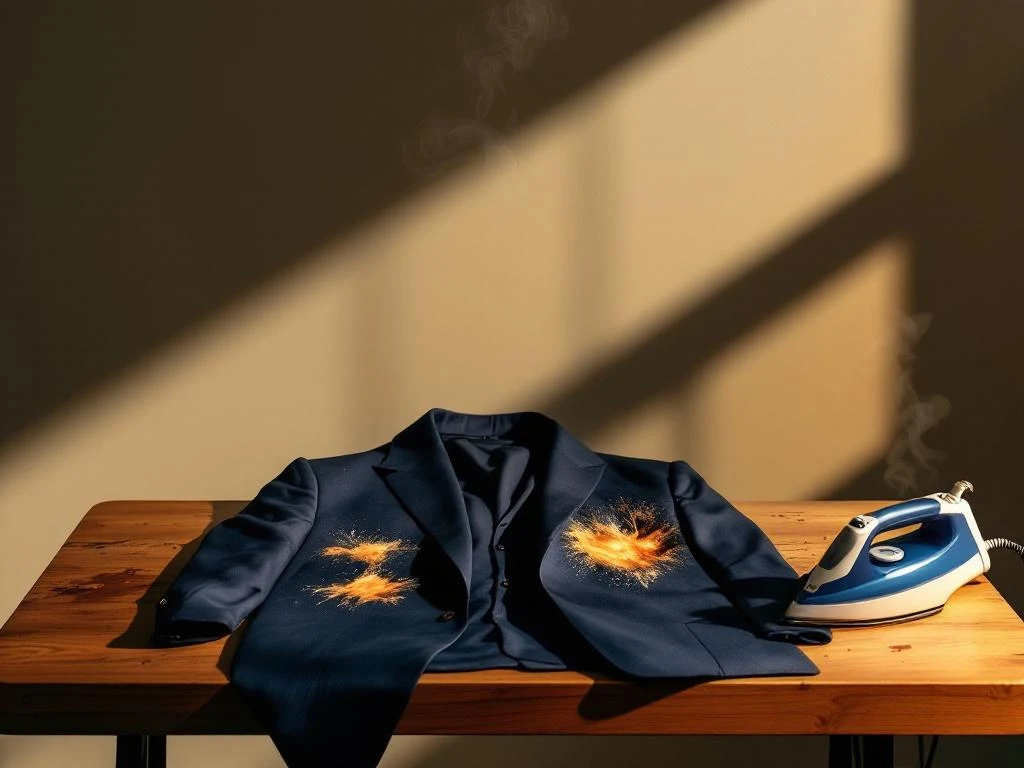
Incorrect suit pressing can cause permanent damage to your garments, including fabric shine, texture flattening, and structural weakening. The risks range from minor aesthetic issues to complete garment ruin, depending on fabric type and the severity of pressing errors. Understanding these risks helps you protect your investment and maintain your suits’ appearance and longevity.
What actually happens when you press a suit incorrectly?
Improper suit pressing causes immediate fabric damage through heat shock, fiber breakdown, and structural compression. The fabric develops permanent shine, loses its natural texture, and may experience color changes or puckering that cannot be reversed.
When you apply excessive heat or pressure during pressing, the fabric fibers become damaged at a molecular level. Wool fibers, which naturally have scales along their surface, can become flattened and fused together. This creates that telltale shiny appearance you often see on poorly maintained suits. The shine occurs because the flattened fibers reflect light differently than the original textured surface.
Temperature damage happens quickly and permanently. Natural fibers like wool and silk contain proteins that can denature when exposed to high heat, similar to how an egg white changes when cooked. Once this chemical change occurs, you cannot reverse it. The fabric loses its natural elasticity and drape, becoming stiff and lifeless.
Moisture problems compound the damage. Too much steam can cause fabrics to shrink unevenly, creating permanent wrinkles or puckering. Conversely, pressing without adequate moisture can cause fibers to become brittle and prone to breaking. The fabric may develop a papery feel and lose its natural softness.
Why do some fabrics get permanently damaged by incorrect pressing?
Different suit fabrics have varying heat tolerances and structural compositions that make them more or less vulnerable to pressing damage. Wool and silk are particularly sensitive due to their protein-based fibers, while synthetic blends may be more forgiving but are still susceptible to melting or distortion.
Wool fabrics are especially vulnerable because they contain keratin, the same protein found in hair. When exposed to excessive heat, these proteins break down and cannot reform. Fine wools like cashmere and merino are even more delicate, requiring lower temperatures and gentler handling. The natural crimp in wool fibers gives the fabric its elasticity and drape, but heat can permanently straighten these crimps.
Silk presents unique challenges because it is made from continuous protein filaments. High heat can cause these filaments to contract irregularly, creating permanent puckering or water-spot-like marks. Silk also has a lower heat tolerance than wool, making it extremely easy to damage with standard pressing temperatures.
Cotton suits, while more heat-tolerant, can still suffer from improper pressing. The cellulose fibers in cotton can become glazed when exposed to excessive heat and pressure, creating a shiny, stiff surface. Cotton blends with synthetic fibers require careful temperature control because the synthetic components may melt or distort.
Synthetic fibers like polyester or nylon have relatively low melting points. They can literally melt under high heat, creating permanent shiny patches or even holes in the fabric. Once synthetic fibers melt, they cannot be restored to their original state.
How can you tell if a suit has been pressed incorrectly?
Signs of incorrect pressing include visible shine on fabric surfaces, flattened or crushed textures, puckering around seams, color variations, and areas that feel stiff or papery to the touch. These indicators help you identify damage and avoid similar problems in the future.
The most obvious sign is fabric shine, particularly noticeable on dark fabrics. This shine appears on high-contact areas like lapels, pocket flaps, and trouser seats. Run your hand across the fabric—damaged areas will feel smoother and less textured than undamaged sections. The shine becomes more apparent under direct lighting.
Texture changes are equally telling. Properly pressed wool should maintain its natural bounce and texture. Damaged fabric feels flat, lifeless, or even crusty. You might notice that the fabric no longer drapes naturally, instead hanging stiffly or creating unnatural creases.
Puckering around seams indicates excessive moisture or heat application during pressing. The fabric may have shrunk unevenly, causing the seam lines to pull and create permanent wrinkles. This damage is particularly common around armholes, side seams, and trouser creases.
Color changes can occur when heat causes dyes to shift or fade. You might notice lighter patches where the iron made direct contact, or darker areas where steam caused dye migration. These color variations are permanent and cannot be corrected.
Edge burning is another clear indicator of damage. Fabric edges, particularly on lapels or pocket flaps, may appear scorched or have a different texture than the surrounding material. This happens when the iron temperature is too high or when direct contact occurs without proper protection.
What’s the difference between pressing and ironing a suit?
Pressing involves lifting and lowering the iron vertically with steam to remove wrinkles with minimal movement, while ironing uses horizontal sliding motions across the fabric. Suits require pressing techniques to preserve their structure and prevent damage, whereas ironing is suitable for casual garments.
The pressing technique protects delicate suit fabrics by minimizing friction and heat exposure. Professional pressers use a lifting motion, allowing steam to penetrate the fabric while the iron’s weight gently smooths wrinkles. This method prevents the dragging motion that can stretch or distort the fabric’s weave.
Professional pressing equipment differs significantly from home irons. Commercial presses use lower direct heat but higher steam pressure, allowing effective wrinkle removal without fabric damage. The pressing surface is larger and more evenly heated, reducing the risk of hot spots that can cause shine or burning.
Timing plays a crucial role in proper pressing. Each area receives brief, controlled exposure to heat and steam, followed by cooling time that allows the fabric to set in its new position. Ironing, by contrast, involves continuous heat exposure that can accumulate and cause damage.
Pressure distribution is another key difference. Pressing distributes weight evenly across the fabric surface, while ironing can create pressure points that flatten the fabric’s natural texture. The vertical motion of pressing also allows better steam penetration without forcing moisture into areas where it might cause problems.
Professional pressers also use protective cloths and specific techniques for different fabric areas. Lapels, for example, require curved pressing forms to maintain their three-dimensional shape, something impossible to achieve with standard ironing techniques. Understanding how it works in professional settings can help you appreciate the complexity involved in proper suit care.
Which pressing mistakes cause the most expensive damage?
The most costly pressing mistakes include using excessive heat settings, applying direct iron contact to delicate fabrics, over-steaming, and pressing over buttons or zippers. These errors can cause irreversible damage that requires professional repair or complete garment replacement.
Temperature mistakes top the list of expensive errors. Using cotton or linen settings on wool or silk can cause immediate, irreversible damage. Many home users do not realize that suit fabrics require much lower temperatures than casual clothing. A single pass with an overheated iron can create permanent shine or texture damage across large areas.
Direct-contact pressing without a protective cloth causes severe fabric damage. Professional pressing always uses a barrier between the iron and the suit fabric, but home users often skip this step. Direct contact can create iron-shaped marks, particularly on dark fabrics, that cannot be removed.
Over-steaming creates multiple problems simultaneously. Excessive moisture can cause fabrics to shrink unevenly, dyes to run or shift, and interfacing to separate from the outer fabric. Water spots on silk or wool can become permanent, requiring expensive specialist cleaning or fabric replacement.
Pressing over hard objects like buttons, zippers, or pocket contents creates permanent impressions in the fabric. These marks show the outline of the object and cannot be removed because the fabric fibers have been permanently compressed or stretched around the obstruction.
Timing errors, such as pressing too quickly or not allowing proper cooling time, prevent the fabric from setting correctly. This can result in wrinkles returning immediately or new creases forming in unwanted places. Rushed pressing often leads to multiple passes with increasing heat, compounding the damage with each attempt.
Seam-pressing mistakes can destroy a suit’s structural integrity. Pressing open seams that should remain pressed to one side, or flattening curved seams, can ruin the garment’s fit and drape. These structural changes often require professional alteration or complete reconstruction to correct.
Understanding these pressing risks helps you make informed decisions about suit care. Professional pressing may seem expensive, but it is far more economical than replacing damaged garments. When you invest in quality suits, proper pressing techniques protect that investment and maintain your professional appearance. Whether you’re preparing for a wedding or need everyday business attire, we understand the importance of proper garment care. Our company believes in providing guidance on maintaining your suits throughout their lifetime, and if you have questions about our approach to suit care, we’re always here to help. For specific concerns about your garments, please don’t hesitate to contact our team for professional advice.
