



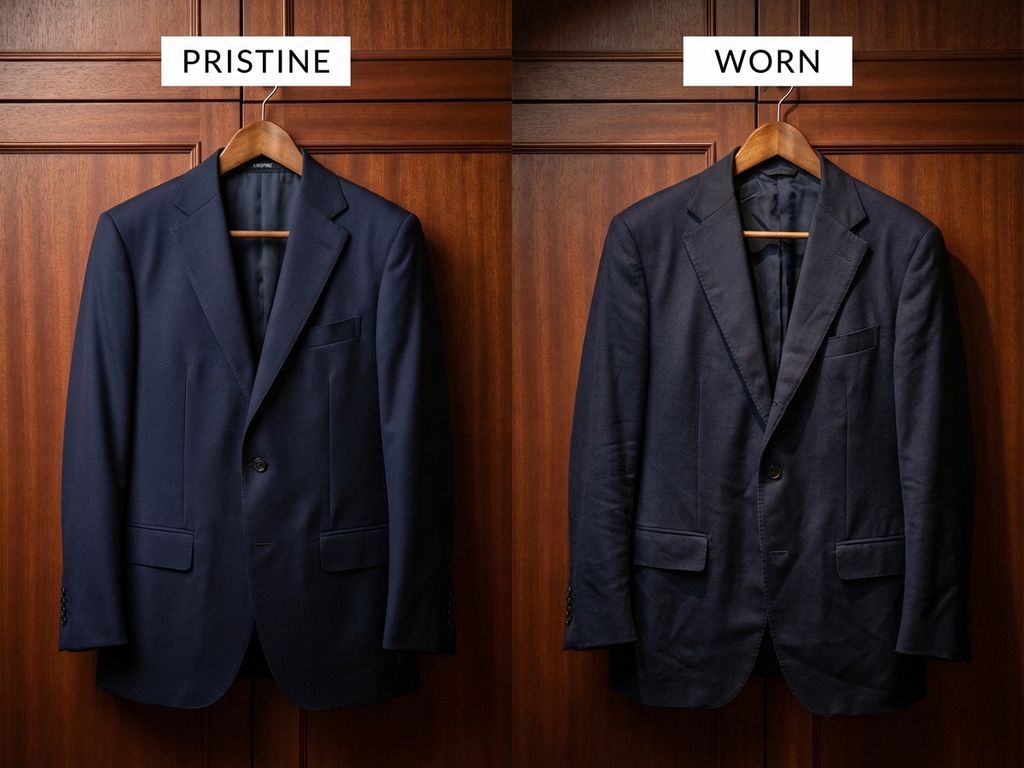
Suit jackets lose their shape due to fabric stress from daily wear, poor construction quality, inadequate storage, and natural material fatigue over time. The main culprits include stretched fibres from movement, improper hanging that distorts the shoulders, and low-quality interfacing that breaks down. Understanding these factors helps you maintain your jacket’s structure and extend its lifespan through proper suit care and maintenance.
What causes suit jackets to lose their original shape?
Suit jackets lose their shape primarily through fabric stress, construction quality issues, improper storage, and regular wear patterns. The constant pulling and stretching from arm movement gradually weakens the fibres, while poor construction materials break down faster than higher-quality alternatives.
Fabric stress occurs naturally during wear as you move your arms, sit, and walk. The shoulder area experiences the most tension, particularly where the sleeve connects to the body. Over time, this repeated stress causes the fabric to stretch and lose its original tension. Wool suits handle this stress better than synthetic blends because wool fibres have natural elasticity that helps them return to their original shape.
Construction quality plays a major role in shape retention. Suits with fused interfacing (where synthetic material is glued to the fabric) are more prone to delamination, where the glue fails and creates bubbling or separation. This process accelerates in humid conditions or after multiple dry-cleaning cycles. Canvas construction, where the interfacing is sewn rather than glued, maintains its structure much longer.
Daily wear patterns also contribute to shape loss. Areas that experience frequent contact, like the button stance and pocket edges, become stretched and misshapen. The natural oils from your skin can also break down certain fabrics over time, particularly around the collar and cuffs where direct contact occurs most frequently.
How does poor storage damage your suit jacket’s structure?
Poor storage accelerates shape loss through improper hanging, cramped conditions, humidity exposure, and incorrect garment protection. Wire hangers and overcrowded wardrobes are particularly damaging, causing shoulder distortion and fabric creasing that becomes permanent over time.
Wire hangers are the worst offenders for suit jacket storage. They concentrate the garment’s weight on two narrow points, creating shoulder dimples and stretching the fabric unnaturally. The thin wire cannot support the jacket’s natural shoulder line, leading to permanent deformation that is difficult to correct even with professional pressing.
Cramped closet conditions prevent proper air circulation and force jackets into unnatural positions. When suits are squeezed together, they develop persistent creases and the fabric cannot maintain its intended drape. This compression also prevents the natural fibres from recovering between wears, accelerating the breakdown process.
Humidity issues create multiple problems for suit maintenance. Excess moisture can cause wool to shrink unevenly, while too little humidity makes fibres brittle and prone to cracking. Fluctuating humidity levels are particularly damaging as they cause the fabric to expand and contract repeatedly, weakening the fibre structure.
Incorrect garment bags, particularly plastic ones, trap moisture and create a breeding ground for mould and mildew. These conditions not only damage the fabric but can also cause the interfacing to deteriorate more rapidly. Breathable garment bags made from cotton or canvas provide better protection while allowing proper air circulation.
Why do some suit jackets maintain their shape better than others?
Construction quality, fabric choice, and tailoring techniques determine how well a jacket maintains its shape over time. Canvas construction significantly outperforms fused interfacing, while heavier fabrics and superior craftsmanship create garments that resist deformation and maintain their structure for decades.
Canvas construction provides superior shape retention because the interfacing is hand-padded and sewn into the jacket rather than glued. This creates a flexible foundation that moves with your body while maintaining the jacket’s intended silhouette. The canvas gradually moulds to your body shape, creating a personalised fit that actually improves over time rather than deteriorating.
Fabric weight and composition significantly impact durability. Heavier fabrics (typically 12–14 ounces) resist stretching and maintain their structure better than lightweight alternatives. Pure wool fabrics with longer fibres create stronger, more resilient garments. Super 120s wool offers an excellent balance between comfort and durability, while higher numbers like Super 180s prioritise softness over longevity.
Tailoring techniques reveal themselves in the details. Hand-sewn buttonholes stretch less than machine-made alternatives, while properly constructed shoulder pads maintain their shape without creating artificial bulk. Quality jackets feature multiple layers of canvas with varying weights, creating a sophisticated structure that supports the fabric without restricting movement.
The quality of materials extends beyond the main fabric to include threads, buttons, and interfacing. Silk threads are stronger and more flexible than polyester alternatives, while genuine horn or mother-of-pearl buttons are less likely to crack or break. These details contribute to the overall longevity and shape retention of the garment.
What can you do to prevent your suit jacket from losing its shape?
Preventing shape loss requires proper hanging techniques, regular rotation, appropriate cleaning frequency, and daily care habits. Using quality wooden hangers, allowing rest periods between wears, and following professional suit-cleaning recommendations will significantly extend your jacket’s structural integrity and appearance.
Proper hanging starts with investing in quality wooden hangers that match your jacket’s shoulder width. Cedar hangers provide additional benefits by repelling moths and absorbing moisture. The hanger should support the entire shoulder line without creating stress points or gaps. Always button the top button to maintain the jacket’s intended shape while hanging.
Rotation schedules allow the fabric fibres to recover between wears. Ideally, you should rest a suit for 24–48 hours after wearing it, giving the wool time to return to its natural shape. If you wear suits daily, having at least three jackets in rotation prevents overuse of any single garment and extends the life of your entire wardrobe.
Professional suit cleaning should occur every 4–6 wears for regular use, or seasonally for occasional wear. Over-cleaning can damage the fabric, while under-cleaning allows dirt and oils to break down the fibres. Between cleanings, spot-clean minor stains immediately and brush the fabric gently to remove surface dirt and restore the nap.
Daily care habits make a significant difference in garment care. Empty all pockets before hanging to prevent sagging and distortion. Use a clothes brush to remove lint and surface dirt after each wear. Allow the jacket to air out completely before storing it in your wardrobe, and never hang a damp jacket, as this can cause permanent creasing and fabric damage.
When should you consider alterations versus replacement for a misshapen suit jacket?
Consider alterations when the jacket’s basic structure remains sound but minor adjustments are needed. Replace the jacket when fundamental construction has failed, extensive alterations would cost more than replacement, or the fabric has deteriorated beyond repair. Professional assessment helps determine the most cost-effective solution.
Alteration possibilities include adjusting sleeve length, taking in or letting out the sides, and shortening the jacket length. Shoulder adjustments are possible but expensive and may compromise the jacket’s original proportions. Minor shape issues around the waist or chest can often be corrected through skilled tailoring without affecting the overall structure.
Replacement becomes necessary when the interfacing has delaminated extensively, creating bubbling or separation that cannot be repaired. Fabric that has become shiny, worn thin, or developed permanent creases that pressing cannot remove indicates the garment has reached the end of its useful life. Shoulder damage or significant moth damage typically cannot be repaired cost-effectively.
Cost considerations should factor in the jacket’s original quality and your attachment to the garment. High-quality jackets with canvas construction justify more expensive alterations because the foundation remains solid. However, if alteration costs exceed 40–50% of a replacement jacket’s price, replacement usually makes more financial sense.
Professional assessment from an experienced tailor provides valuable guidance on whether alterations will achieve your desired results. They can identify structural issues that are not immediately apparent and advise on the likelihood of successful repairs. This consultation typically costs much less than proceeding with unsuitable alterations.
The decision timeline matters too. If you need the jacket immediately, alterations might provide a quicker solution than ordering a new garment. However, if you can wait, investing in a new jacket often provides better long-term value and satisfaction than extensive alterations to a deteriorating garment.
Understanding why suit jackets lose their shape helps you make informed decisions about garment care and maintenance. Proper storage, regular rotation, and professional cleaning significantly extend your jacket’s life, while recognising when alterations or replacement make sense protects your investment. At Café Costume, we understand that a well-maintained suit reflects your attention to detail and personal standards. Our consultation process helps you apply these principles while creating garments built to maintain their shape and elegance for years to come.
