



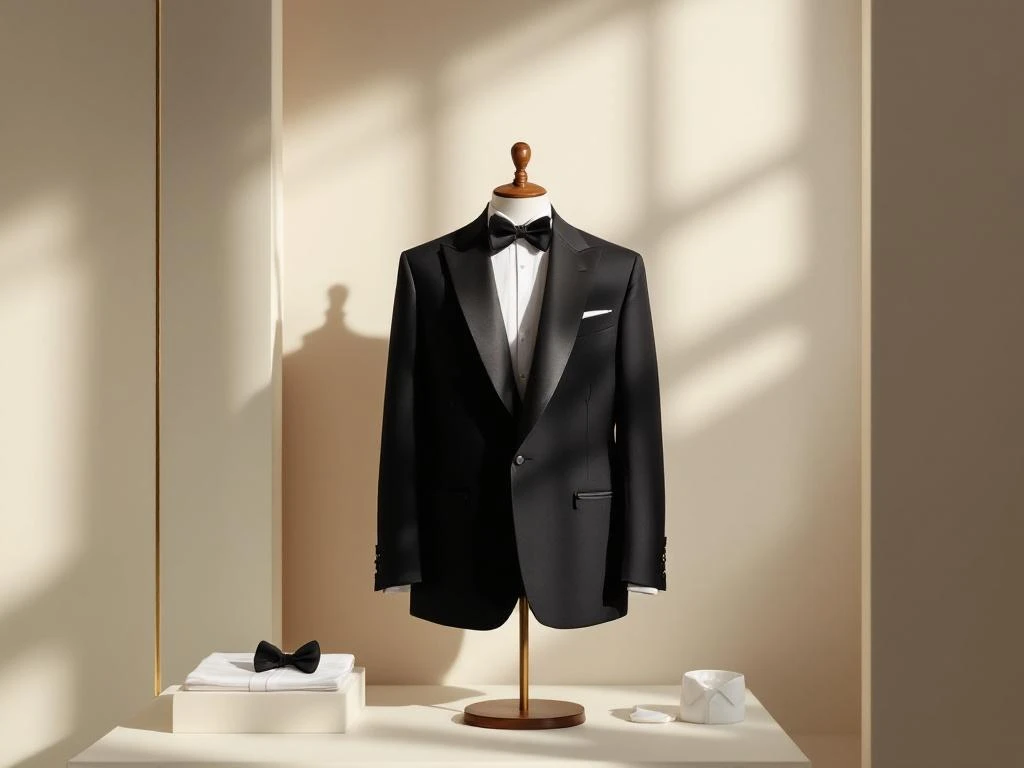
You should wear a tuxedo to a wedding when the invitation specifies black tie or white tie dress codes, or when the event is a formal evening celebration. Tuxedos are traditionally reserved for weddings that begin after 6 PM, though modern etiquette allows more flexibility. The venue formality, invitation wording, and couple’s preferences guide your decision. Understanding when a wedding tuxedo is appropriate helps you honour the occasion whilst looking your best.
What’s the actual difference between a tuxedo and a suit for weddings?
A tuxedo features satin detailing on the lapels, buttons, and side stripe of the trousers, whilst a suit uses matching fabric throughout. Tuxedos typically have silk-faced lapels in shawl, peak, or notch styles, and they’re always worn with a bow tie or formal necktie. The trousers include a satin stripe running down the outer leg, and you’ll never find belt loops on proper tuxedo trousers.
Wedding suits offer more versatility in fabric, colour, and styling. You can wear them with a regular tie, and they work across various formality levels. Tuxedos, however, signal a specific level of formality that’s non-negotiable. The satin elements catch light beautifully in evening settings, which is why they’ve remained the standard for formal celebrations.
The construction also differs. Tuxedos traditionally use finer materials and more refined tailoring techniques. The jacket often features covered buttons (wrapped in the same satin as the lapels), and the overall silhouette tends to be more streamlined. This distinction matters for wedding attire because it communicates respect for the formality the couple has chosen for their celebration.
When does the wedding dress code call for a tuxedo?
Black tie and white tie dress codes require a tuxedo. When you see “black tie” on a wedding invitation, you’re expected to wear a tuxedo with a black bow tie. White tie is even more formal, requiring a tailcoat, white bow tie, and white waistcoat. Some invitations say “black tie optional” or “black tie preferred,” which means a tuxedo is ideal but a dark suit is acceptable.
Formal evening attire is another phrase that signals tuxedo territory. If the invitation mentions “evening dress” or “formal attire” for a celebration starting after 6 PM, a tuxedo is the safest choice. When couples invest in a formal venue like a grand hotel, historic estate, or elegant ballroom, they’re usually expecting guests to match that formality level.
Watch for specific wording like “festive black tie” or “creative black tie,” which still call for a tuxedo but allow some personal interpretation with accessories or colour choices. If you’re unsure about invitation language, it’s perfectly acceptable to ask the couple or their families directly. They’d rather you ask than guess incorrectly about their wedding suits expectations.
What time of day should you wear a tuxedo to a wedding?
Tuxedos are traditionally worn for weddings beginning at 6 PM or later. Evening events naturally call for more formal attire, and the tuxedo was specifically designed for after-dark occasions. Daytime weddings, even formal ones, typically call for wedding suits rather than tuxedos, with morning dress being the traditional daytime equivalent in very formal settings.
Modern weddings have relaxed these timing rules somewhat. If a couple specifies black tie for a 4 PM ceremony, they’re telling you they want that level of formality regardless of traditional timing. The venue and season also influence this decision. A summer wedding suits in a garden setting at 5 PM might feel different from a winter celebration in a grand venue at the same time.
Geography matters too. In some regions and cultures, formal evening wear starts earlier, whilst others maintain stricter traditional timing. When the ceremony and reception span the transition from day to evening, a tuxedo works well because you’ll be photographed and celebrating primarily during evening hours. Trust the couple’s stated dress code over rigid timing rules, but when in doubt, evening equals tuxedo territory.
Can you wear a tuxedo to any wedding or are there situations to avoid it?
You should avoid wearing a tuxedo to casual, outdoor, daytime, or destination weddings unless specifically requested. Beach ceremonies, garden parties, barn venues, and rustic celebrations typically call for lighter, less formal attire. Wearing a tuxedo to these events makes you look out of touch with the couple’s vision and can feel uncomfortable in relaxed settings.
Destination weddings in tropical locations rarely require tuxedos, even for evening events. The climate and casual atmosphere of beach resorts or countryside retreats call for lighter wedding suits in breathable fabrics. Similarly, outdoor summer weddings during hot weather make tuxedos impractical, regardless of formality level.
Consider the couple’s style and the overall wedding theme. If they’re having a bohemian celebration, vintage-inspired event, or deliberately casual gathering, a tuxedo contradicts their aesthetic. You risk overshadowing others or appearing to compete with the groom suit choices. When the invitation specifies “cocktail attire,” “semi-formal,” or “dressy casual,” choose a well-tailored suit instead. Being overdressed can be just as awkward as being underdressed.
What should you wear with a tuxedo to a wedding?
A complete wedding tuxedo requires a white formal shirt, black bow tie, patent leather shoes, and appropriate accessories. The shirt should have a pleated or piqué front, with French cuffs that accommodate cufflinks. Traditional tuxedo shirts use studs instead of buttons down the front, creating a cleaner, more formal appearance.
Your footwear must be patent leather oxfords or opera pumps in black. Regular leather dress shoes don’t provide the formal finish a tuxedo demands. Black dress socks should be long enough that no skin shows when you sit. The bow tie should be black silk, and whilst pre-tied versions exist, a self-tied bow tie looks more refined.
Accessories complete the look properly. Choose simple silver or gold cufflinks without excessive decoration. A white linen pocket square, folded simply, adds polish without drawing attention. If you wear a waistcoat or cummerbund, it should be black to match the bow tie. Avoid wearing a regular necktie with a tuxedo, as this contradicts the formal nature of the garment. Your watch, if you wear one, should be elegant and understated. These details separate a properly worn tuxedo from one that misses the mark.
Choosing appropriate attire for a wedding shows respect for the couple’s celebration whilst ensuring you feel confident and comfortable. Whether you’re considering wedding suits or a formal tuxedo, understanding dress codes, timing, and proper styling helps you make the right choice. When you need expert guidance on selecting or creating the perfect groom suit or guest attire, we offer personalised consultations that help you look your absolute best for any wedding occasion. To learn more about our approach to creating exceptional wedding attire or to discuss your specific needs, please contact our team today.
