



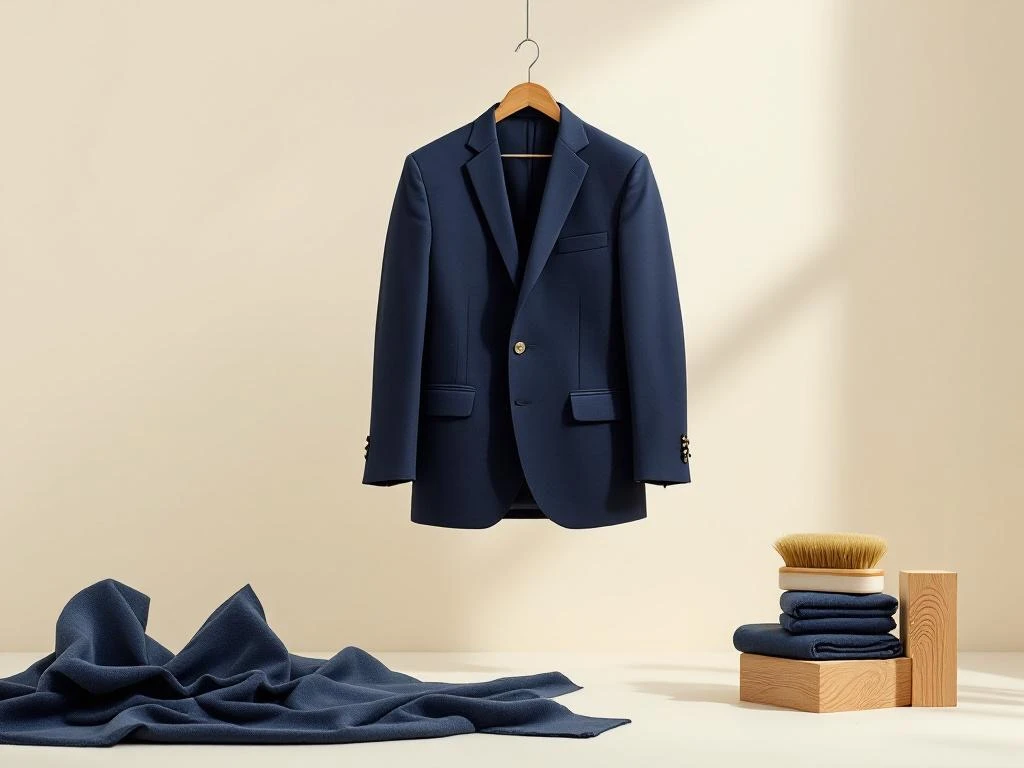
Proper suit maintenance extends the life of your garments, saves you money over time, and keeps you looking sharp for every occasion. A well-maintained suit can last decades rather than years, preserving both fabric quality and your professional appearance. This guide answers the most common questions about caring for your suits, from cleaning schedules to storage techniques and handling everyday problems.
Why does proper suit maintenance actually matter?
Proper suit maintenance directly impacts how long your garments last and how professional you look. A well-cared-for suit can easily last 10-15 years or more, whilst neglected suits may show wear within just a few seasons. This translates to significant cost savings, as replacing suits frequently becomes expensive. Beyond longevity, proper care preserves the fabric’s structure, colour, and texture, ensuring you always present yourself at your best.
The investment you make in a quality suit deserves protection. Natural fibres like wool, cotton, and linen respond well to proper care but deteriorate quickly under neglect. Regular maintenance prevents permanent damage from dirt, oils, and environmental factors that gradually break down fabric fibres. When you maintain your suits properly, the fabric retains its natural drape and shape, the lining stays intact, and the overall construction remains sound.
Your professional appearance depends on well-maintained clothing. A suit with wrinkles, stains, or worn areas sends the wrong message, regardless of its original quality. Proper maintenance ensures you always look polished and put-together, which matters in business settings, formal events, and any situation where first impressions count. The confidence that comes from knowing you look your best has real value in professional and social contexts.
How often should you clean and care for your suits?
Most suits need professional suit cleaning only 2-4 times per year, depending on how often you wear them. Over-cleaning damages suits more than under-cleaning, as harsh chemicals and heat gradually break down natural fibres. If you wear a suit weekly, aim for professional cleaning every 3-4 months. For occasional wear, once or twice yearly suffices. Between cleanings, spot cleaning and airing out handle most maintenance needs.
Different suit types and fabrics require different care approaches. Wool suits handle regular wear well and resist odours naturally, needing less frequent cleaning. Cotton and linen suits may require more attention during warm weather when perspiration increases. Suits with delicate fabrics or special finishes need gentler care and potentially less frequent professional cleaning to preserve their unique qualities.
Daily maintenance matters more than frequent dry cleaning. After each wear, brush your suit with a soft-bristled garment brush to remove surface dirt and dust. This simple habit prevents particles from embedding in the fabric and causing premature wear. Allow suits to air out for 24 hours between wears, hanging them in a well-ventilated space. This lets moisture evaporate and fabrics recover their natural shape.
Spot cleaning addresses minor issues without professional intervention. For small spills or marks, gently blot (never rub) with a clean, damp cloth. Water-based stains often lift with just water, whilst oil-based marks may need a tiny amount of mild soap. Always test any cleaning method on an inconspicuous area first, and avoid saturating the fabric. When in doubt, take the suit to professionals rather than risking damage with aggressive home treatment.
What’s the proper way to store suits at home?
Proper suit storage requires quality wooden or padded hangers that support the jacket’s shoulders without creating bumps or distortion. Wire hangers and thin plastic hangers damage suits by creating pressure points and failing to maintain the garment’s natural shape. Hang jackets and trousers separately, using hangers with clips or bars that don’t crease the fabric. Space suits at least 2-3 centimetres apart in your wardrobe to allow air circulation and prevent crushing.
Environmental conditions significantly affect suit longevity. Store suits in a cool, dry space away from direct sunlight, which fades colours and weakens fibres. Ideal humidity levels sit between 40-50%, as excessive moisture encourages mildew whilst very dry air makes fabrics brittle. Avoid storing suits in plastic dry cleaning bags for extended periods, as these trap moisture and prevent fabrics from breathing. Instead, use breathable cotton garment bags for long-term storage or when protecting suits from dust.
If you need to know how to fold a suit for travel, proper technique prevents permanent creases. Lay the jacket face down, fold one shoulder inside out, then tuck the other shoulder into it. Fold the jacket in half lengthwise, then fold it once across the middle. For trousers, fold along the existing creases, then fold in half or thirds depending on bag size. Place folded suits in a garment bag or at the top of your luggage where they won’t be crushed by heavier items.
Common storage mistakes cause avoidable damage. Overcrowding your wardrobe crushes fabrics and creates permanent wrinkles. Leaving suits in direct sunlight near windows causes uneven fading. Storing suits whilst they’re still damp from rain or perspiration invites mildew and odours. Empty pockets before hanging suits, as items left inside distort the fabric and create bulges. Taking a few moments to store suits properly after each wear prevents these problems entirely.
How do you handle common suit problems like wrinkles and odors?
Steam removes wrinkles effectively without the harsh heat and pressure of traditional ironing. Hang your suit in the bathroom whilst you shower, letting steam naturally relax the fibres, or use a handheld garment steamer for more targeted treatment. Hold the steamer a few centimetres from the fabric and work in downward strokes. For stubborn wrinkles, lightly dampen a pressing cloth, place it over the area, and use an iron on low heat with no direct contact between iron and suit fabric.
Natural odour removal works better than masking scents with sprays. Hang suits outside in fresh air for several hours, avoiding direct sunlight. The natural airflow eliminates most odours without chemical intervention. For persistent smells, place the suit in a well-ventilated room with an open box of baking soda nearby, which absorbs odours over 24-48 hours. Vodka in a spray bottle (yes, really) works as an effective, odourless fabric refresher that kills odour-causing bacteria as it evaporates.
Minor stains need immediate attention before they set. Blot liquid spills immediately with a clean, absorbent cloth, working from the outside of the stain inward to prevent spreading. For food stains, gently scrape off any solid material before treating the fabric. Water-based stains often respond to careful blotting with a damp cloth. Grease or oil marks may lift with a small amount of talcum powder or cornstarch applied to absorb the oil, left for several hours, then brushed away.
Refreshing suits between wears maintains their appearance without professional cleaning. A quality fabric brush removes surface dust and restores the fabric’s nap. A handheld steamer quickly eliminates minor wrinkles and freshens the fabric. Rotating between multiple suits gives each garment adequate recovery time, preventing the wear patterns that develop from daily use. These simple maintenance habits keep your suits looking sharp whilst minimising the need for professional intervention.
Taking care of your suits doesn’t require complicated routines or expensive products. The basics matter most: proper hangers, adequate spacing, regular brushing, and allowing suits to rest between wears. When you invest time in these simple practices, your suits reward you with years of reliable service and consistent good looks. Whether you’re wearing made-to-measure tailoring or ready-to-wear suits, proper maintenance protects your investment and ensures you always look your best. At Café Costume, we believe that caring for your garments properly honours the craftsmanship that went into creating them, and we’re always happy to share advice on keeping your tailored pieces in excellent condition. If you have questions about maintaining your wedding suit or want to learn more about how our tailoring process works, feel free to contact us or visit us to discover more about our commitment to quality and craftsmanship.
