



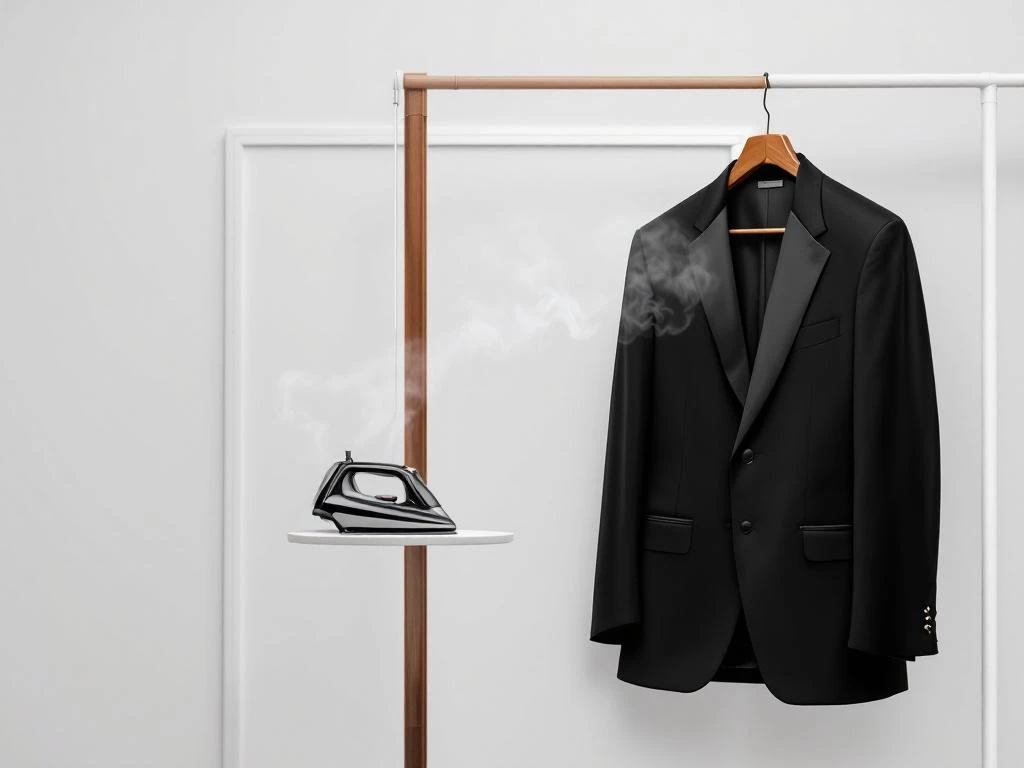
Pressing a tuxedo requires special care due to its delicate satin lapels, silk facings, and formal construction. Use low heat settings, protective pressing cloths, and gentle techniques to avoid damaging these luxury materials. Steaming often works better than direct pressing for formalwear maintenance.
What makes tuxedo pressing different from regular suit care?
Tuxedo pressing differs significantly from regular suit care because formalwear contains delicate materials that can’t withstand standard pressing techniques. Satin lapels, silk facings, and grosgrain ribbon trims require much gentler handling than the wool fabrics found in business suits.
The construction of a tuxedo presents unique challenges. Satin lapels are particularly vulnerable because the weave creates a lustrous surface that can easily become shiny or damaged under direct heat. Unlike regular suit lapels, which are made from the same fabric as the jacket body, tuxedo lapels use different materials that react differently to heat and pressure.
Silk facings and interior components add another layer of complexity. These materials can shrink, pucker, or lose their shape when exposed to inappropriate temperatures or moisture levels. The contrast between different fabric types within a single garment means you need to adjust your approach for each section.
Traditional suit pressing often involves direct contact between the iron and fabric, but tuxedos require protective barriers and lower temperatures throughout the process. The formal construction also includes more hand-finished details that can be damaged by aggressive pressing techniques.
How do you protect satin lapels and trim while pressing?
Always use a pressing cloth when working with satin lapels and formal trim. Place a clean cotton or linen cloth between your iron and the satin surface, then press gently with minimal pressure. Never drag the iron across satin materials, as this can create permanent shine marks.
Choose the right pressing cloth for your tuxedo materials. White cotton muslin works well for most satin lapels, while silk organza provides excellent protection for delicate silk facings. Avoid synthetic pressing cloths, as they can melt or transfer unwanted textures to your formalwear.
Control moisture carefully when pressing satin elements. Too much steam can cause water spots or alter the fabric’s texture. If you need moisture, use a spray bottle to lightly mist the pressing cloth rather than using your iron’s steam function directly on the satin.
Work in short, gentle movements rather than long strokes. Press down briefly, lift the iron completely, then move to the next section. This technique prevents the dragging motion that can damage satin’s delicate surface structure.
Pay special attention to grosgrain ribbon trim on trouser stripes and lapel edges. These areas require even more delicate handling, as the ribbon can separate from the base fabric if pressed too aggressively. Use only the weight of the iron without additional pressure.
What’s the safest temperature and technique for pressing formal wear?
Set your iron to the lowest heat setting, typically between 110–130°C (230–266°F), when pressing formalwear. Most tuxedo fabrics, particularly satin and silk components, can be damaged by temperatures above this range. Always test on an inconspicuous area before proceeding.
Different tuxedo components require specific temperature considerations. Wool jacket bodies can handle slightly higher temperatures than satin lapels, but it’s safer to use the lowest setting throughout to avoid accidentally damaging delicate areas. Silk linings and facings are particularly temperature-sensitive and can shrink or pucker with excessive heat.
Use proper pressing technique by lifting and lowering the iron rather than sliding it across the fabric. This prevents stretching and maintains the garment’s shape. Work systematically from less visible areas to more prominent sections, allowing you to adjust your technique if needed.
Consider alternative methods for particularly delicate areas. A hair dryer on a cool setting can help remove minor wrinkles from satin lapels without direct contact. Professional garment steamers also provide gentler heat distribution than traditional irons.
Allow adequate cooling time between pressing sessions. Formal fabrics need time to set properly after heat application. Hanging your tuxedo immediately after pressing while the fibres are still warm can help maintain the pressed appearance longer.
When should you steam instead of press a tuxedo?
Steam your tuxedo instead of pressing when dealing with minor wrinkles, delicate fabrics, or when you’re unsure about heat sensitivity. Steaming provides gentler wrinkle removal without direct contact, making it safer for satin lapels, silk facings, and intricate details.
Steaming works particularly well for removing wrinkles from hanging garments before events. This method refreshes formalwear without the risks associated with pressing, making it ideal for last-minute touch-ups or when you need quick results without setup time.
Choose steaming for tuxedos with extensive beadwork, embroidery, or delicate trim. These decorative elements can be damaged by the pressure and direct heat of pressing, but steam can flow around these details safely while still removing wrinkles from the surrounding fabric.
Professional garment steamers provide better results than handheld versions for formalwear. They produce consistent, gentle steam that penetrates fabric fibres effectively. Hold the steamer several inches away from satin surfaces to prevent water spots or texture changes.
Steaming also works well for tuxedo trousers, particularly around pleats and the grosgrain stripe. The gentle moisture helps reset fabric memory without the risk of creating unwanted creases or damaging the decorative stripe material.
However, steaming has limitations. Severe wrinkles or creases may require careful pressing with proper protection. For best results, combine both methods: steam for general refreshing and careful pressing for stubborn wrinkles that steaming cannot remove.
Proper care of formalwear requires understanding these different approaches and knowing when to apply each technique. The investment in a quality tuxedo deserves the careful attention that proper suit-pressing techniques provide. When you take time to use appropriate methods and temperatures, your formalwear will maintain its elegant appearance for years of special occasions, whether you’re preparing for wedding celebrations or other formal events.
At Café Costume, we understand the importance of maintaining your formalwear’s pristine condition. Our expertise in traditional tailoring extends to helping you care for your investment pieces properly, ensuring they always look their absolute best. If you’d like to learn more about how it works or want to discover more about our approach to quality formalwear, we’re here to help. For specific questions about garment care or to discuss your formalwear needs, please don’t hesitate to contact our team.
