



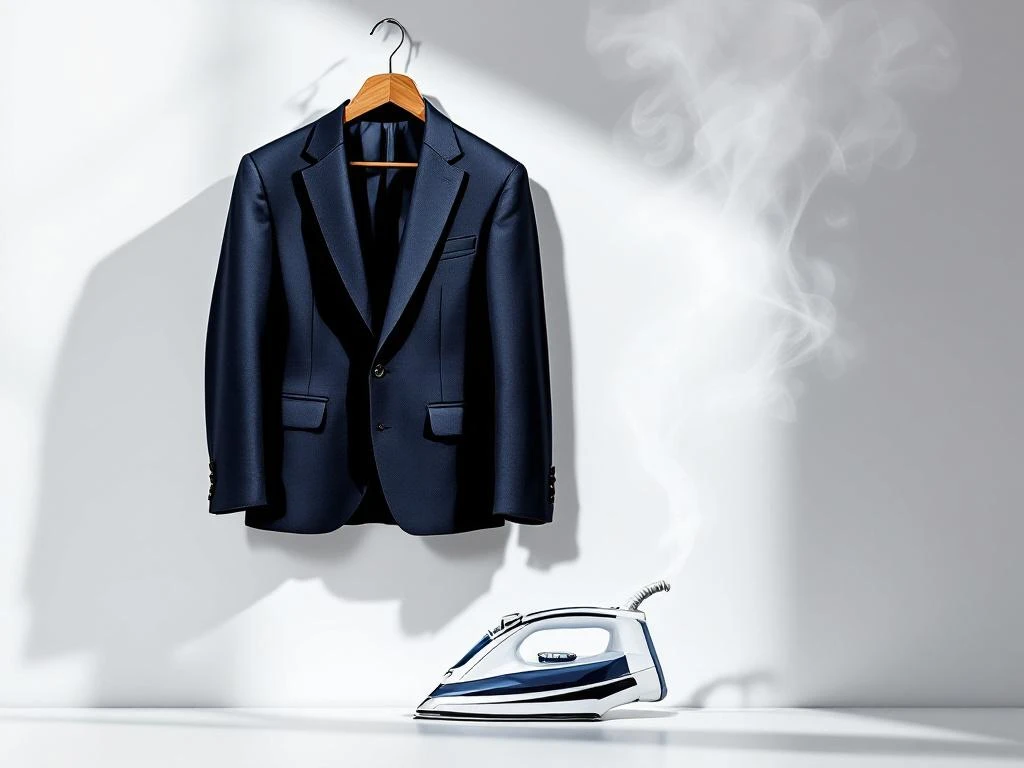
Pressing a suit at home requires gentle heat, steam, and proper technique to remove wrinkles without damaging delicate fabrics. Unlike regular ironing, suit pressing uses minimal direct contact and strategic moisture to maintain the garment’s structure and appearance. With the right tools and methods, you can achieve professional results while preserving your suit’s quality and extending its lifespan.
What’s the difference between pressing and ironing a suit?
Pressing involves lifting and lowering the iron with minimal sliding motion, using steam and a pressing cloth to protect the fabric. Ironing uses continuous sliding movements with direct heat contact, which can damage suit fabrics and create unwanted shine.
The key distinction lies in how you apply heat and pressure. When you press a suit, you’re using controlled moisture and gentle pressure to relax fibers without crushing them. This technique preserves the fabric’s natural texture and prevents the flattening that occurs with traditional ironing methods.
Suit fabrics like wool, silk, and fine cotton blends contain delicate fibers that can become permanently damaged under excessive heat or pressure. Pressing allows the steam to penetrate the fabric while the iron’s weight gently smooths wrinkles without breaking down the material’s structure.
Professional tailors always use pressing techniques because they maintain the suit’s drape and shape. The pressing motion also prevents the creation of hard creases in areas where you don’t want them, such as across the jacket’s chest or shoulders.
What tools do you actually need to press a suit at home?
You need a steam iron with variable temperature settings, a pressing cloth (cotton or muslin), an ironing board, and a spray bottle for additional moisture. These basic tools will handle most home suit-pressing needs effectively.
A quality steam iron forms the foundation of your pressing setup. Look for models with adjustable temperature controls and good steam output. The ability to control heat precisely prevents fabric damage, while adequate steam helps relax stubborn wrinkles without excessive pressure.
Pressing cloths protect your suit fabric from direct heat contact and prevent shine. You can use a clean cotton tea towel, muslin cloth, or purchase purpose-made pressing cloths. Avoid synthetic materials that might melt or transfer unwanted textures to your suit.
Your ironing board should be sturdy and well padded to provide proper support. A wobbly board makes precise pressing difficult and can lead to accidents. Consider investing in a sleeve board for pressing jacket sleeves and trouser legs more effectively.
Additional helpful tools include a clothes steamer for quick touch-ups, wooden hangers to maintain shape while the suit cools, and a lint brush for final grooming. These extras aren’t necessary but can improve your results.
How do you press a suit jacket without damaging the fabric?
Start with the lowest appropriate temperature setting and always use a pressing cloth. Press each section briefly, lifting the iron completely between applications rather than sliding it across the fabric surface.
Begin by checking the care label for temperature guidance. Wool suits typically require medium heat, while silk and delicate blends need lower settings. When in doubt, test on an inconspicuous area like the inside seam allowance.
Press the jacket in logical sections: shoulders, back panel, front panels, and sleeves last. For shoulders, drape the jacket over the ironing board’s narrow end and press gently from the shoulder seam downward. This maintains the jacket’s natural shape.
The lapels require special attention because they’re highly visible. Place your pressing cloth over the lapel and press from the inside edge outward, following the natural curve. Never press directly on the lapel’s edge, as this can create an unnaturally sharp crease.
For sleeves, use a sleeve board if available or carefully position the sleeve flat on your ironing board. Press from the shoulder seam toward the cuff, ensuring the sleeve lies smooth without wrinkles underneath. Whenever possible, press from the lining side to avoid shine on the outer fabric.
What’s the best way to remove wrinkles from suit pants?
Hang trousers by the cuffs or lay them flat on the ironing board with the crease aligned properly. Press along the existing crease lines while avoiding the waistband and pocket areas, which can become shiny under direct heat.
Start by identifying whether your trousers have pleats or a flat front, as this affects your pressing approach. Pleated trousers require careful attention to maintain the pleat structure, while flat-front styles focus primarily on the leg creases.
Position the trousers so the side seams align perfectly, ensuring the front and back creases fall naturally. This alignment is crucial for achieving sharp, professional-looking creases that enhance the suit’s overall appearance.
Press each leg individually, working from the waistband down to the hem. Use your pressing cloth and apply steam generously, allowing the moisture to penetrate before applying gentle pressure. The crease should extend from the waistband to the shoe for the most polished appearance.
Pay special attention to the knee area, where wrinkles commonly develop from sitting. Use extra steam and patience in this region, as forced pressing can create permanent damage to the fabric’s weave.
For the waistband and pocket areas, use minimal heat and brief contact. These areas are prone to shine because they often contain interfacing or multiple fabric layers that react differently to heat and pressure.
How do you handle stubborn wrinkles that won’t come out?
Apply additional steam and allow the fabric to rest between pressing attempts. Persistent wrinkles often require multiple gentle treatments rather than increased heat or pressure, which can set the wrinkles permanently into the fabric.
Create extra moisture by lightly misting the wrinkled area with distilled water before applying steam. The combination of external moisture and steam helps relax even the most stubborn fibers without risking heat damage.
Sometimes wrinkles resist removal because the fabric has been compressed for extended periods. In these cases, patience produces better results than force. Allow the steamed fabric to hang freely between pressing sessions, letting gravity assist in the wrinkle-removal process.
Consider using a garment steamer for particularly delicate areas or persistent wrinkles. Steamers provide moisture without the pressure that can sometimes set wrinkles deeper into the fabric structure.
If wrinkles persist after multiple attempts, the issue might be beyond home treatment capabilities. Professional dry cleaners have specialized equipment and expertise for handling difficult cases without risking damage to expensive suits.
Avoid common mistakes that can make wrinkles permanent: never use excessive heat, don’t press over buttons or zippers, and resist the urge to apply more pressure when initial attempts don’t succeed. These approaches often create new problems rather than solving existing ones.
Proper suit pressing maintains your investment’s appearance and longevity while giving you confidence in your professional presentation. With practice, these techniques become second nature, allowing you to keep your suits looking sharp between professional cleanings. Remember that quality suit pressing is about patience and technique rather than speed or force. Whether you’re preparing for a wedding or maintaining your everyday professional wardrobe, proper care ensures your suits always look their best. If you’d like to learn more about how it works to create a perfectly fitted suit, or if you’re curious about company info and our commitment to quality craftsmanship, we invite you to explore our process. You can also learn more about our dedication to creating exceptional suits, or feel free to contact us when you’re ready to invest in a perfectly fitted suit that responds beautifully to proper care and will serve you well for years to come.
