



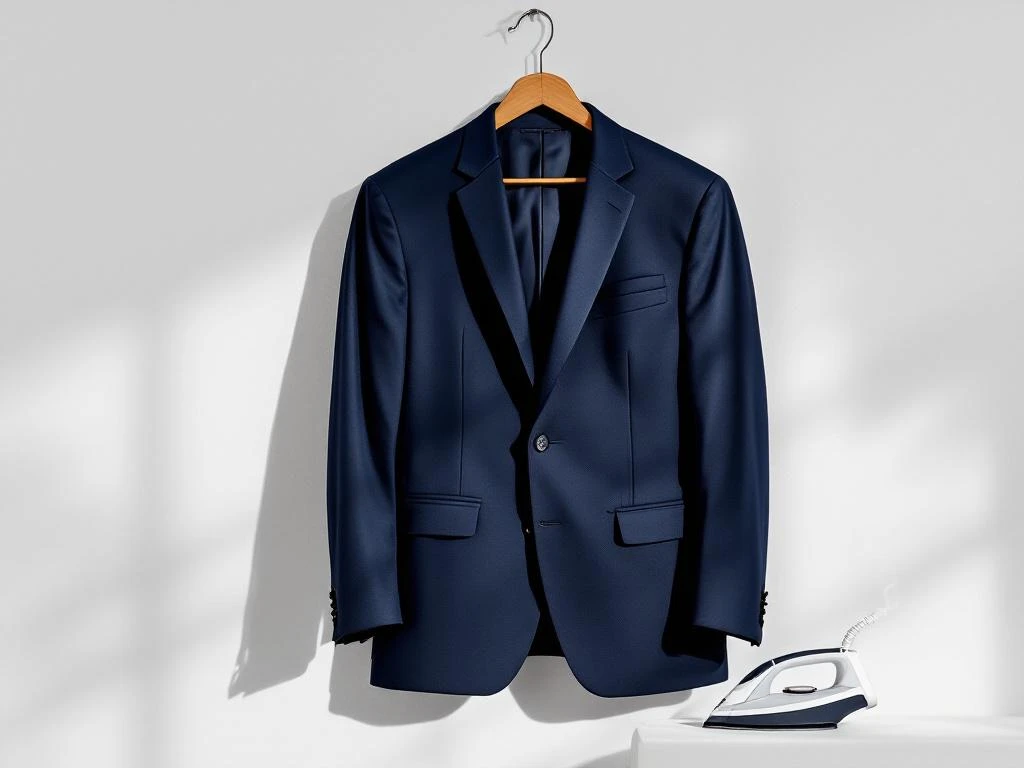
Proper suit pressing prevents fabric damage, maintains garment structure, and extends your suit’s lifespan. The most common mistakes include using incorrect temperatures, pressing directly on fabric without protection, and confusing pressing techniques with regular ironing. Understanding these differences and following proper techniques helps you maintain your suits professionally at home while avoiding costly damage.
What’s the difference between pressing and ironing a suit?
Pressing involves lifting and placing the iron down on fabric sections, while ironing uses sliding motions across the material. Pressing is superior for suits because it prevents fabric distortion and maintains the garment’s tailored shape. The lifting motion preserves delicate fibres and structured elements that sliding can damage or stretch.
When you iron a suit using sliding motions, you risk stretching the fabric and distorting the carefully constructed shape. Suits contain interfacing, shoulder pads, and canvas construction that require gentle treatment. The sliding action can shift these internal components, creating permanent wrinkles or misshapen areas that are difficult to correct.
Pressing also allows better steam penetration into the fabric. You hold the iron in position for several seconds, allowing heat and moisture to relax fibres naturally. This method works particularly well with wool suits, which respond better to consistent heat application rather than moving pressure.
The technique affects fabric appearance significantly. Pressing creates crisp, professional lines without the shiny marks that often result from dragging an iron across suit fabric. This difference becomes especially important with darker colours and finer materials that show heat damage more readily.
What temperature should you use when pressing different suit fabrics?
Wool suits require medium heat (around 150–160°C), cotton needs medium-high heat (170–180°C), and linen can handle high heat (190–200°C). Blended fabrics should follow the most delicate fibre’s requirements to prevent damage. Always check the care label and test on an inconspicuous area before proceeding.
Identifying fabric content helps determine the correct temperature. Pure wool feels soft and has a slight bounce when squeezed. Cotton feels crisp and holds creases well. Linen has a distinctive rough texture and wrinkles easily. Blended fabrics often combine these characteristics, making the care label your most reliable guide.
Wool–polyester blends are common in modern suits and typically require lower temperatures than pure wool. The synthetic fibres can melt or become shiny under excessive heat. Start with the coolest setting that effectively removes wrinkles, then increase gradually if needed.
Luxury fabrics like cashmere or silk blends need extra caution. These materials can be permanently damaged by excessive heat. Use the lowest effective temperature and always employ a pressing cloth for protection. The investment in high-quality fabric deserves careful treatment to maintain its appearance and longevity.
Why do people press suits with the iron directly on the fabric?
Many people press directly on suit fabric because they’re accustomed to ironing casual clothes this way. However, direct contact can create shiny marks, flatten fabric texture, and damage delicate fibres. Proper technique requires using a pressing cloth or the iron’s steam function to create a protective barrier.
Direct-contact pressing seems more efficient because it appears to remove wrinkles faster. This misconception leads to permanent fabric damage that becomes obvious under certain lighting conditions. The iron’s metal plate can crush delicate wool fibres, creating a flattened appearance that cannot be reversed.
Professional tailors always use pressing cloths made from cotton or linen. These cloths allow steam and heat to penetrate while protecting the fabric surface. You can use a clean cotton tea towel or purchase purpose-made pressing cloths for better results.
The proper technique involves placing the pressing cloth over the wrinkled area, then pressing the iron down for 10–15 seconds. The steam passes through the cloth, relaxing the fabric fibres without direct metal contact. This method takes slightly longer but preserves your suit’s quality and appearance for years longer.
How do you properly press suit jackets without damaging the structure?
Press jacket components separately using a pressing cloth and working from the inside out when possible. Focus on lapels, sleeves, and back panels while avoiding shoulders and chest areas that contain structured elements. Use a tailor’s ham or rolled towel to support curved areas during pressing.
Start with the jacket laid flat on your ironing board, inside facing up. This position allows you to press the lining and interior seams without affecting the outer fabric. Pay attention to pocket areas and seam lines where wrinkles commonly form during wear.
Lapels require special attention because they frame your face and are highly visible. Press them from the underside using a pressing cloth, working from the collar down to the button area. Never press directly over the lapel’s roll line, as this can flatten the natural curve that gives the jacket its professional appearance.
Sleeves should be pressed individually, laying them flat on the ironing board. Position the seam along the underside of the sleeve rather than creating a sharp crease down the centre. This maintains the sleeve’s natural rounded shape. Avoid pressing the shoulder area entirely, as this contains padding and structure that heat can damage.
The back panel can be pressed carefully, but avoid the area around the shoulder blades where the jacket’s internal structure provides shape. Focus on the lower back and side areas where sitting creates wrinkles. Use light pressure and brief contact to avoid flattening the fabric’s natural drape.
What are the biggest mistakes people make when steaming suits at home?
Common steaming mistakes include holding the steamer too close to fabric, moving too quickly, and using distilled water incorrectly. Proper steaming requires maintaining a 15–20 cm distance from the fabric and moving slowly to allow steam penetration. These errors can cause water spots, inadequate wrinkle removal, or fabric stretching.
Distance control is critical for effective steaming. Holding the steamer too close creates water droplets that can stain the fabric, while too far reduces effectiveness. The optimal distance allows steam to reach the fabric without condensing into water drops. Practice on an old garment to find the right technique.
Many people rush the steaming process, moving the steamer quickly across the fabric. This approach doesn’t give steam enough time to penetrate and relax the fibres. Work in small sections, holding the steamer steady for 3–5 seconds before moving to the next area. This patience produces better results with less effort.
Water quality affects steaming results significantly. Tap water often contains minerals that can leave white residue on dark fabrics. However, some steamers require tap water to function properly, while others work better with distilled water. Check your steamer’s instructions and test on an inconspicuous area before treating the entire garment.
Fabric stretching occurs when people pull on the garment while steaming. The combination of heat, moisture, and tension can permanently distort the fabric’s shape. Instead, hang the suit properly and let the steam do the work without applying physical pressure to the material.
Proper suit pressing requires patience and the right techniques, but these skills help you maintain your garments professionally at home. Understanding the differences between pressing and ironing, using appropriate temperatures, and avoiding direct fabric contact will keep your suits looking sharp for years. At Café Costume, we understand the importance of proper garment care, which is why our suits are constructed to withstand careful home maintenance while retaining their tailored appearance and quality craftsmanship. Whether you’re preparing for a wedding or need professional attire for business occasions, proper pressing techniques ensure your investment looks its best. Learn more about how our process works to deliver perfectly fitted suits that respond well to home care. For specific questions about maintaining your suit or to understand more about our commitment to quality, proper care techniques are essential for preserving the craftsmanship we put into every garment.
