



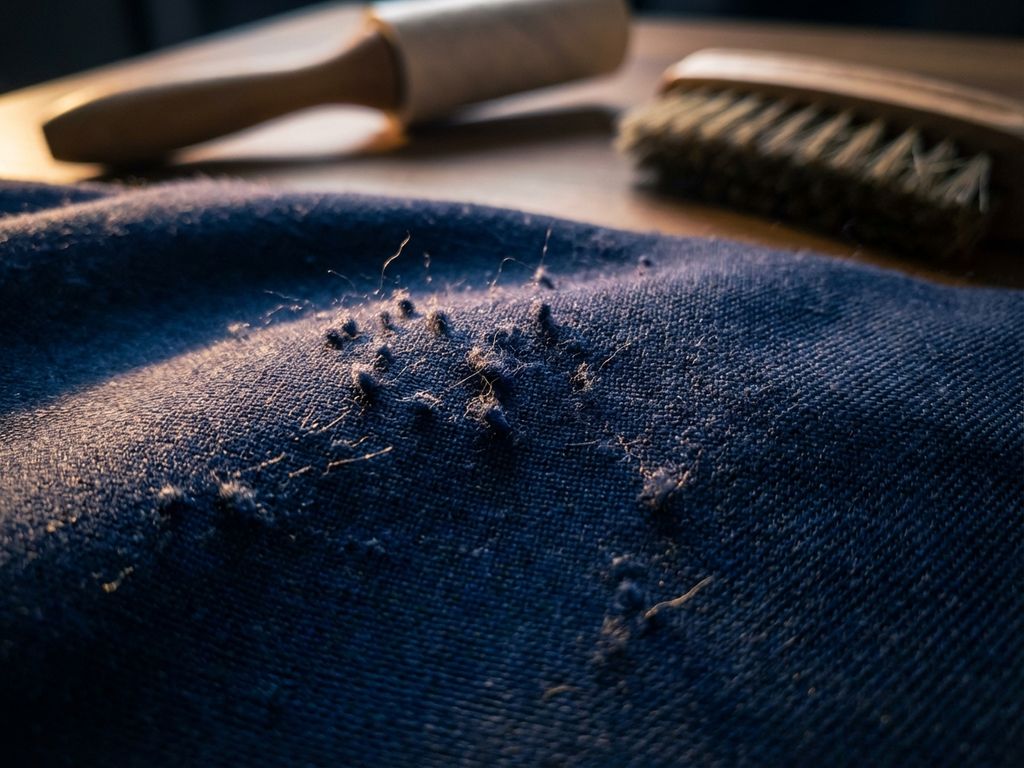
Fabric pilling occurs when loose fibres on your suit’s surface become entangled and form small balls through friction and wear. While some pilling is normal, especially on new garments, you can significantly reduce it through proper suit care, gentle handling, and choosing quality fabrics with longer fibres. Understanding what causes pilling helps you maintain your suits better and extend their lifespan.
What exactly is fabric pilling and why does it happen to suits?
Fabric pilling is the formation of small, fuzzy balls on your suit’s surface when loose fibres become twisted and knotted together through friction. This happens because repeated rubbing causes short fibres to work their way to the fabric surface, where they tangle with other loose fibres and create those annoying little pills.
The mechanical process begins with abrasion. Every time you move, sit, or brush against something, your suit fabric experiences friction. This friction loosens the shorter fibres within the fabric weave, causing them to migrate to the surface. Once there, continued movement causes these loose fibres to twist around each other, forming the characteristic ball-like pills.
Suit fabrics are particularly susceptible to pilling because they often contain a mix of natural and synthetic fibres. Wool suits, while luxurious and durable, naturally shed short fibres during wear. The structure of woven fabrics also contributes to the problem, as the spaces between threads allow loose fibres to work their way out more easily than in tightly knitted materials.
Areas of your suit that experience the most friction pill fastest. This includes the inner thighs, under the arms, where your bag strap sits, and around the collar where it rubs against your shirt. The constant movement and pressure in these zones accelerate the fibre-loosening process.
Temperature and humidity also play a role in pilling. Warm, moist conditions can make fibres more pliable and prone to movement, while dry conditions can make them brittle and more likely to break, creating more loose ends that contribute to pill formation.
Which suit fabrics are most likely to pill and which resist it best?
Synthetic blends and lower-grade wool fabrics pill most readily, while high-quality pure wool with long fibres and tightly woven constructions resists pilling best. The key factors are fibre length, fabric construction, and the quality of the raw materials used.
Polyester and wool blends are notorious for pilling because synthetic fibres are stronger than natural ones. When wool fibres break and try to shed, the stronger polyester fibres hold them in place, creating perfect conditions for pill formation. These trapped fibres then tangle with new loose fibres, creating persistent pills that are difficult to remove.
Lower-grade wool fabrics contain more short fibres, which naturally work their way to the surface more easily. These shorter fibres lack the length needed to stay securely woven into the fabric structure. Additionally, cheaper wool often undergoes less careful processing, leaving more loose ends that contribute to pilling.
High-quality wool fabrics, particularly those made from long-staple fibres like Super 120s and above, resist pilling much better. The longer fibres are more securely held within the weave and are less likely to work loose. Premium wool also undergoes more careful processing that removes short fibres and loose ends before weaving.
Cotton suits can pill, but typically less than wool blends. Pure linen rarely pills because the fibres are naturally long and strong. However, linen blends with shorter fibres or synthetic materials can develop pilling issues.
Fabric construction matters enormously. Tightly woven fabrics with high thread counts resist pilling better than loosely woven ones. The tighter weave holds fibres more securely and provides less opportunity for them to work loose during wear.
What daily habits cause the most damage to suit fabric?
Excessive friction from bags, rough surfaces, and improper washing causes the most pilling damage to suit fabrics. Daily habits like carrying shoulder bags, sitting on rough surfaces, and washing suits at home significantly accelerate fibre loosening and pill formation.
Carrying bags with straps across your suit creates constant friction zones. Briefcase handles, messenger bag straps, and backpack straps all rub against the same fabric areas repeatedly, loosening fibres and creating perfect conditions for pilling. The weight of the bag increases the pressure, making the friction even more damaging.
Sitting on rough or textured surfaces accelerates pilling on your trouser seat and jacket back. Car seats with coarse fabric, office chairs with abrasive materials, and outdoor benches all contribute to excessive friction. Even seemingly smooth surfaces can cause problems if you shift position frequently.
Improper washing is one of the worst culprits for suit fabric damage. Machine washing suits at home subjects the fabric to aggressive agitation that loosens fibres rapidly. Using regular detergents instead of gentle formulations can weaken fibres, making them more prone to breaking and creating loose ends.
Overwearing suits without giving them rest periods prevents the fabric from recovering its shape and allows accumulated stress to weaken the fibre structure. Suits need time between wears for the fibres to relax and return to their natural position.
Storing suits improperly, such as cramming them into overpacked wardrobes or leaving them in garment bags for extended periods, can create pressure points and friction that contribute to pilling. Poor storage also prevents air circulation, which suits need to maintain their structure.
How can you prevent pilling before it starts?
Proper suit maintenance, gentle handling, and professional cleaning prevent most pilling before it occurs. The key is minimising friction, using appropriate cleaning methods, and storing your suits correctly to maintain the fabric structure.
Rotate your suits regularly to prevent overwearing. Ideally, rest each suit for at least 24 hours between wears to allow the fibres to recover. This rest period lets the wool fibres return to their natural shape and reduces the accumulated stress that leads to fibre loosening.
Always use professional dry cleaning for your suits rather than attempting home washing. Dry cleaning uses gentle solvents and specialised equipment that clean without the aggressive agitation of home washing machines. Professional cleaners also understand how to handle different fabric types appropriately.
Invest in proper storage solutions. Use wide-shouldered hangers that support the jacket’s shape without creating stress points. Ensure adequate spacing between garments to prevent friction during storage. Cedar hangers can also help maintain fabric freshness while providing proper support.
Be mindful of friction sources during wear. Alternate which shoulder you carry bags on, use padded straps when possible, and be conscious of rough surfaces. Consider using a slim briefcase instead of a shoulder bag to reduce friction points on your suit.
Choose quality fabrics when purchasing new suits. Investing in better-grade wool with longer fibres pays dividends in reduced pilling and longer garment life. A well-made suit from quality fabric will maintain its appearance much longer than cheaper alternatives.
Regular brushing with a soft-bristled suit brush removes surface dirt and loose fibres before they can form pills. Brush gently in one direction, following the fabric grain, after each wear.
What should you do if your suit fabric has already started pilling?
Use a fabric shaver or fine-grade razor carefully to remove existing pills, but seek professional help for valuable suits to avoid damage. The key is gentle removal without cutting into the base fabric, which could create holes or weak spots.
Fabric shavers are the safest option for pill removal. These devices use rotating blades behind a protective screen to cut pills without touching the base fabric. Work slowly and gently, allowing the shaver to do the work rather than pressing hard against the fabric.
For small areas, you can carefully use a fresh disposable razor. Lay the fabric flat on a hard surface and gently glide the razor across the pills using light pressure. Never use old or dull razors, as they can snag and damage the fabric. Work in small sections and check your progress frequently.
Fabric combs designed specifically for pill removal can work on delicate fabrics. These have fine teeth that catch and lift pills without cutting. However, they require patience and gentle technique to avoid pulling threads or creating snags.
For expensive or delicate suits, consult a professional tailor or specialist cleaner. They have experience with different fabric types and access to professional-grade tools that can remove pills safely. The cost of professional treatment is often worthwhile compared to the risk of damaging an expensive garment.
Never attempt to pull pills off by hand, as this can damage the surrounding fabric and create larger holes. Similarly, avoid using scissors unless you have considerable experience, as it’s easy to cut too deeply and damage the base fabric.
After removing pills, implement better suit care practices to prevent recurrence. The same conditions that caused the original pilling will create new pills if not addressed through improved garment care and handling.
Understanding fabric pilling helps you make better decisions about suit care and maintenance. Quality fabrics, proper handling, and professional cleaning significantly reduce pilling problems. When pills do occur, gentle removal techniques can restore your suit’s appearance without causing damage. At Café Costume, we understand the importance of proper garment care and can provide guidance on maintaining your suits through our personal style consultation service, helping you develop care routines that keep your tailored pieces looking their best for years to come.
