



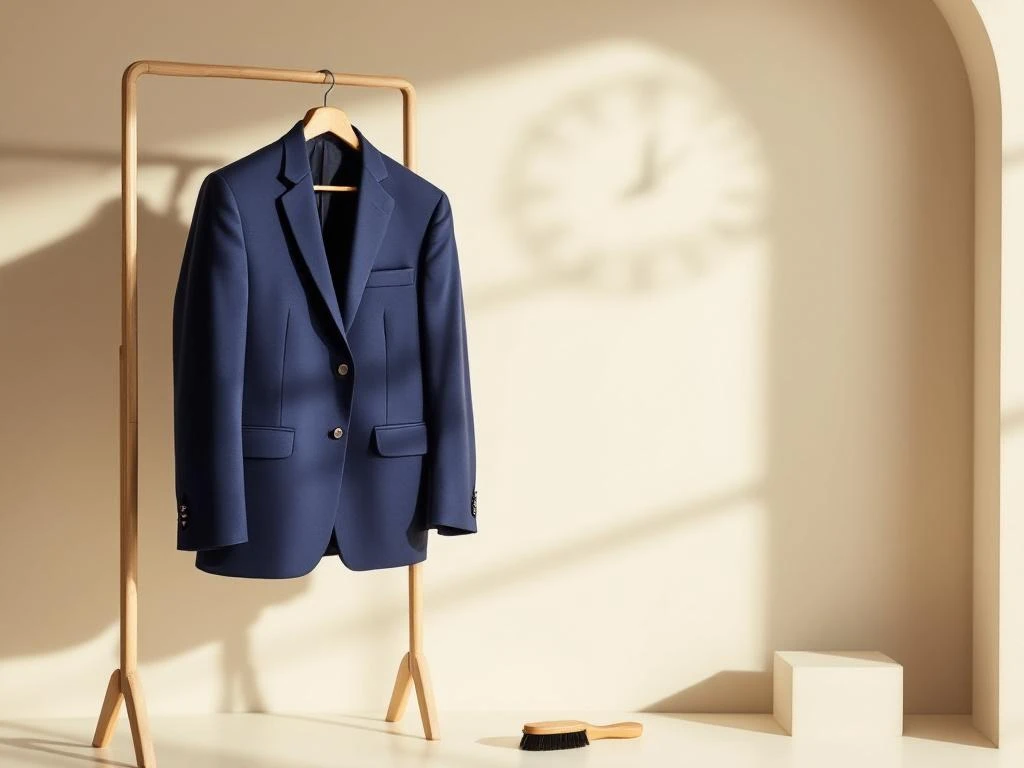
A well-maintained quality suit typically lasts between five and fifteen years with proper care. The lifespan depends on construction quality, fabric choice, wearing frequency, and how well you look after it. A canvassed suit made from premium fabric and worn occasionally can easily last fifteen years or more, while a fused suit worn daily might need replacing after five years. Understanding what affects longevity helps you make smarter investment decisions and get the most from your wardrobe.
How long does a well-maintained suit actually last?
A quality suit with proper care typically lasts five to fifteen years, though this range varies considerably. An occasionally worn suit made with full canvas construction and premium fabric can serve you well for fifteen years or longer. A suit you wear weekly might last eight to ten years with good care, while daily wear reduces this to around five to seven years.
Construction quality plays a significant role in determining lifespan. Full canvas suits maintain their shape better over time compared to fused alternatives, which can bubble or lose structure after repeated cleaning and wear. The canvas acts like a skeleton that holds the suit’s form, whilst fused suits rely on glue that eventually breaks down.
Fabric weight and quality matter too. Heavier fabrics between 280-340 grams generally outlast lighter options, though they’re less comfortable in warm weather. Worsted wool resists wrinkles and maintains appearance longer than many alternatives. Super numbers (Super 100s, 120s, etc.) indicate fibre fineness, but higher numbers don’t always mean better durability. Super 110s to 130s offer a good balance between comfort and longevity for most people.
Your body changes over time, which affects how long a suit remains wearable. Even a structurally sound suit becomes obsolete if it no longer fits properly. Weight fluctuations, posture changes, and muscle development can all impact fit beyond what alterations can reasonably address.
What factors determine how long your suit will last?
Several interconnected factors determine your suit’s lifespan. Fabric quality and weight form the foundation of durability. Premium fabrics resist pilling, maintain colour better, and recover from wrinkles more effectively than cheaper alternatives. Natural fibres like wool breathe well and bounce back after wear, whilst synthetic blends might lose shape faster.
Construction method significantly impacts longevity. Full canvas construction uses layers of horsehair canvas hand-stitched throughout the jacket front, creating a structure that moulds to your body whilst maintaining shape. Half-canvas suits offer canvas in the chest area with fused lower sections, providing decent durability at lower cost. Fused suits use glue to attach fabric to interfacing, which works initially but can separate over time, creating bubbling or puckering that’s impossible to fix.
Wearing frequency directly affects fabric stress. A suit worn daily experiences constant friction, stretching, and environmental exposure. Fabrics need time to recover their natural shape after wear, which is why rotation matters so much. Someone who wears suits five days weekly needs at least three to five suits for proper rotation.
Storage conditions between wears influence how well suits maintain their form. Proper suit storage in a cool, dry environment prevents moisture damage, mildew, and fabric degradation. Cramped wardrobes where suits press against other garments cause permanent creasing and shape loss.
Body changes over time affect practical lifespan regardless of physical condition. A suit that no longer fits properly has reached the end of its useful life for you, even if the fabric and construction remain sound. Some alterations work well, but there are limits to how much you can adjust a suit whilst maintaining proper proportions.
How often should you wear a suit to make it last longer?
You should rest a suit for at least 24 to 48 hours between wears to maximise its lifespan. Wool fibres absorb moisture from your body and the environment during wear, then need time to release that moisture and return to their natural shape. Wearing the same suit consecutive days doesn’t allow this recovery, leading to permanent wrinkles, shape loss, and faster fabric degradation.
If you wear suits daily for work, you need at least three suits in rotation, though five is better. This rotation schedule means each suit gets worn roughly once weekly, allowing proper recovery time. The investment in multiple suits pays off because each one lasts significantly longer than if you wore just one or two suits constantly.
For occasional suit wearers who dress formally monthly or for special events, longevity isn’t usually about rotation but rather about proper suit storage between uses. These suits can last decades if stored correctly with breathing garment bags, cedar elements to deter moths, and adequate space to maintain shape.
After wearing a suit, hang it properly on a wide, shaped wooden hanger that supports the shoulders. Leave it outside your wardrobe for a few hours to air out before storing. This simple practice allows moisture to evaporate and helps fabrics recover their form. Brush the suit gently to remove surface dirt and dust that can work into fibres and cause premature wear.
What maintenance habits actually extend a suit’s life?
Regular brushing after each wear is the single most effective maintenance habit for extending suit life. Use a natural bristle clothes brush with gentle downward strokes to remove dust, dirt, and debris before they work into the fabric. This takes two minutes but prevents particles from abrading fibres and causing premature wear.
Proper hanging technique matters more than most people realise. Always use wide wooden hangers that match your shoulder width. Wire hangers and narrow plastic ones create pressure points that distort shoulder shape permanently. Hang trousers by the cuffs or fold them over a hanger bar to maintain the crease without stressing the fabric.
Spot cleaning addresses small stains immediately without subjecting the entire suit to professional suit cleaning. Blot (never rub) fresh stains with a clean, damp cloth. For oil-based marks, a tiny amount of talcum powder can absorb the oil if applied quickly. Avoid home stain removers, which often cause more damage than the original stain.
Professional suit cleaning should happen sparingly, typically once or twice yearly for regularly worn suits. Frequent dry cleaning strips natural oils from wool fibres, causing them to become brittle and lose their lustre. Only clean when genuinely necessary due to stains, odours, or visible soiling. Between cleanings, airing and steaming handle most freshening needs.
Steaming works better than pressing for regular maintenance. Steam relaxes fibres and removes wrinkles without applying direct heat and pressure that can create shine on wool. Hang your suit in the bathroom whilst showering, or invest in a garment steamer for better results. If you must press, always use a pressing cloth between the iron and fabric.
Seasonal suit storage requires extra attention for suits you won’t wear for months. Clean suits before long-term storage, as stains oxidise over time and become permanent. Store in breathable garment bags (never plastic) with cedar blocks to deter moths. Check stored suits periodically and air them out to prevent musty odours and moisture accumulation.
How do you know when it’s time to replace your suit?
Fabric thinning and shine signal that a suit has reached the end of its useful life. When you can see through the fabric in high-wear areas like elbows, seat, or inner thighs, the material has degraded beyond repair. Permanent shine on wool, particularly around the seat and thighs, indicates that the fabric surface has been crushed flat and won’t recover. This shine looks cheap and dated, no matter how well the suit otherwise fits.
Permanent wrinkles and shape loss that don’t respond to steaming or pressing indicate structural failure. Suits should hang smoothly when properly stored. If your jacket maintains odd creases or the front panels don’t lie flat against your chest, the internal structure has failed. This happens when canvas separates from outer fabric in canvassed suits, or when fused interfacing debonds and bubbles.
Seam failures along stress points like armholes, crotch, or pocket corners can sometimes be repaired, but repeated failures suggest the fabric itself has weakened. A single seam repair is normal maintenance, but if you’re constantly fixing different seams, the suit has reached the end of its practical life. The cost of repeated repairs quickly exceeds the value of the garment.
Irreparable stains or damage from moths, burns, or bleach mean replacement time. Whilst small moth holes can be rewoven by specialists, extensive damage isn’t worth repairing. Similarly, stains that remain after professional cleaning have permanently altered the fabric and will always be visible.
Fit changes that alterations can’t address indicate you need a new suit, even if the garment remains structurally sound. Jackets can be taken in or let out about two inches total, and trousers offer similar flexibility. Beyond these limits, alterations compromise the suit’s proportions and design lines. Significant weight changes, posture shifts, or muscle development often require starting fresh with proper measurements rather than forcing alterations that never quite look right.
When you find yourself reaching for other suits because one doesn’t feel right anymore, trust that instinct. A suit that makes you feel uncomfortable or self-conscious has stopped serving its purpose, regardless of its technical condition. Confidence matters more than squeezing extra months from a garment that no longer makes you feel your best.
Understanding suit longevity helps you make informed decisions about investment, care, and replacement timing. Quality construction, proper maintenance habits, and realistic expectations about lifespan ensure you get excellent value from your tailored wardrobe. At Café Costume, we create made-to-measure suits built to last, with full guidance on how it works so it serves you well for years to come. Whether you’re shopping for a wedding or building your professional wardrobe, we’re here to help you create something perfectly suited to your needs. To learn more about our craftsmanship and commitment to quality, or to discuss your specific requirements, please contact us today.
