



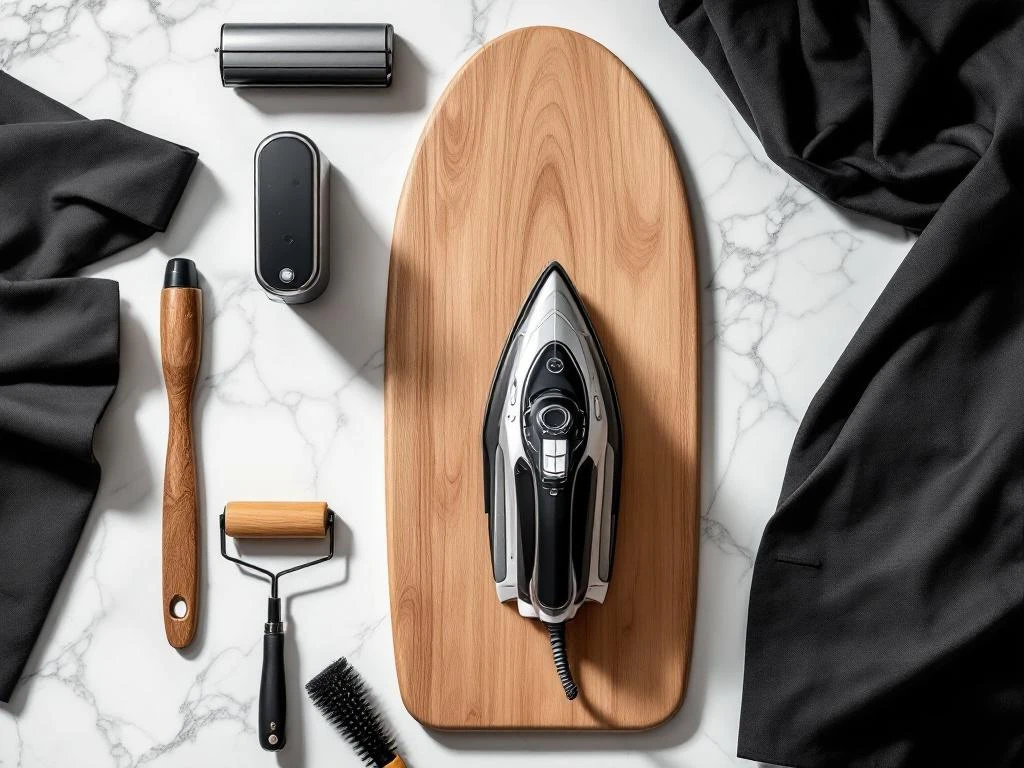
Proper suit pressing requires specific tools that work together to achieve professional results without damaging delicate fabrics. You need a quality steam iron, pressing cloths, a sturdy ironing board, and proper hangers as your foundation. Professional-grade tools like sleeve boards and pressing hams help shape suits correctly, while protective materials prevent shine and fabric damage during the pressing process.
What basic tools do you need to press a suit properly?
The fundamental tools for suit pressing include a steam iron with variable temperature settings, cotton pressing cloths, a well-padded ironing board, and wooden suit hangers. These four items form the foundation of any effective home suit-pressing setup and enable you to achieve professional-quality results.
Your steam iron should offer precise temperature control, since different suit fabrics require different heat levels. Wool suits need moderate heat, while delicate fabrics like silk linings require lower temperatures. The steam function helps relax fibres without direct contact, reducing the risk of creating unwanted creases or shine.
A proper ironing board makes an enormous difference in your results. Look for one with a thick, smooth pad that provides even heat distribution. The board should be sturdy enough to handle the pressure of pressing without wobbling, and at the right height to prevent back strain during longer pressing sessions.
Cotton pressing cloths act as a protective barrier between your iron and the suit fabric. They prevent direct heat contact while allowing steam to penetrate the material. Keep several clean cloths on hand, as you’ll want fresh ones for different parts of the suit to avoid transferring any residue.
Quality wooden hangers maintain your suit’s shape after pressing. Wire hangers can leave marks and distort the shoulder line, undoing your careful pressing work. Cedar hangers offer the added benefit of natural moth deterrence.
How does a steam press differ from a regular iron for suits?
Steam presses use larger heated plates and more powerful steam systems than regular irons, covering more fabric area with consistent heat and pressure. They excel at pressing large flat areas like trouser legs and jacket backs, while regular irons offer better manoeuvrability for detailed work around lapels, collars, and curved seams.
The main advantage of steam presses lies in their even heat distribution across a wider surface area. This means fewer passes over the fabric and more consistent results. The powerful steam penetration helps relax stubborn wrinkles more effectively than most household irons can achieve.
Steam presses work particularly well with heavier fabrics like thick wool suits. The sustained pressure and heat combination can handle substantial materials that might require multiple passes with a regular iron. However, they are less suitable for delicate fabrics that need gentle handling.
Regular irons shine when working around suit construction details. The pointed tip allows precise work around button areas, lapel curves, and pocket details. You can easily adjust pressure and angle for different fabric weights and construction elements.
For most home users, a quality steam iron provides better versatility than a steam press. You can handle both broad areas and detailed work with one tool, and storage is much simpler. Steam presses make sense if you regularly press multiple suits or work with particularly challenging fabrics.
What pressing cloths and protective materials should you use?
Use cotton or muslin pressing cloths for most suit fabrics, switching to silk pressing cloths for delicate materials like silk linings or lightweight wools. These protective barriers prevent direct iron contact while allowing steam penetration, reducing the risk of shine, scorch marks, or texture changes on your suit fabrics.
Cotton pressing cloths work well for standard wool suits and most synthetic blends. Choose white or natural cotton to avoid any colour transfer. The cloth should be large enough to cover the area you’re pressing but not so large that it becomes unwieldy. Keep multiple cloths clean and ready, as you don’t want to transfer any residue between different parts of your suit.
Silk pressing cloths offer superior protection for delicate fabrics. They are particularly useful when pressing suit linings, lightweight wools, or any fabric with a delicate finish. Silk allows excellent steam penetration while providing a smooth barrier that will not catch on fine fibres.
Muslin provides another excellent option for suit pressing. It is slightly more substantial than silk but still allows good steam flow. Many professional tailors prefer muslin for its durability and consistent performance across different fabric types.
Never press suits without a protective cloth, even on supposedly safe temperature settings. Direct iron contact can create permanent shine on wool fabrics, flatten the natural texture, or leave marks that are difficult or impossible to remove. The few extra seconds spent positioning a pressing cloth save you from potentially ruining expensive garments.
Keep your pressing cloths clean and free from starch or fabric softener residue. Wash them separately in plain water and air-dry them to maintain their protective properties.
Which specialised tools make suit pressing easier and more effective?
Professional pressing tools like sleeve boards, pressing hams, and tailor’s clappers help you achieve crisp lines and proper shaping that regular ironing boards cannot provide. These tools allow you to press curved seams, set creases precisely, and work around suit construction details without creating unwanted marks or distorting the garment’s shape.
A sleeve board is indispensable for pressing suit jacket sleeves and trouser legs properly. This narrow, padded board slides inside sleeves, allowing you to press them without creating creases on the opposite side. It also works brilliantly for pressing trouser legs one at a time, ensuring sharp creases exactly where you want them.
Pressing hams handle the curved areas of suits that flat ironing boards cannot accommodate. These rounded, firmly stuffed tools support the natural curves around shoulders, armholes, and hip areas. They help maintain the suit’s three-dimensional shape while allowing you to smooth out wrinkles in curved seams.
A tailor’s clapper creates sharp, lasting creases through pressure and controlled cooling. After steaming an area, you immediately place the wooden clapper over the crease and apply firm pressure as the fabric cools. This technique locks in sharp lines that last much longer than those created by steam alone.
Seam rolls work similarly to pressing hams but in a cylindrical shape. They are perfect for pressing long seams without creating marks on the surrounding fabric. Place the seam over the roll and press only the seam itself, leaving the rest of the fabric unmarked.
Point pressers help with collar tips, lapel points, and pocket corners. These wooden tools have variously shaped edges that allow precise pressing in tight areas where a full iron will not fit properly.
While these specialised tools require some investment and storage space, they make the difference between amateur and professional-looking results. Start with a sleeve board and a pressing ham, as these handle the most common challenges in suit pressing.
Proper suit pressing transforms not just your appearance but also your confidence in wearing well-tailored garments. The right tools make this process both achievable and enjoyable at home, helping you maintain your suits between professional cleanings. Understanding how it works with proper equipment ensures your suits always look their best for any occasion. Remember that patience and the right equipment matter more than speed when pressing suits.
At Café Costume, we understand that caring for your suits properly extends their life and keeps them looking their best. Whether you’re maintaining a made-to-measure piece or a ready-to-wear suit, these pressing techniques will help you achieve professional results that reflect the quality and craftsmanship you deserve. For special occasions like weddings, properly pressed suits make all the difference in your appearance and confidence. If you need guidance on maintaining your garments or have questions about our tailoring services, don’t hesitate to contact our team for expert advice.
