



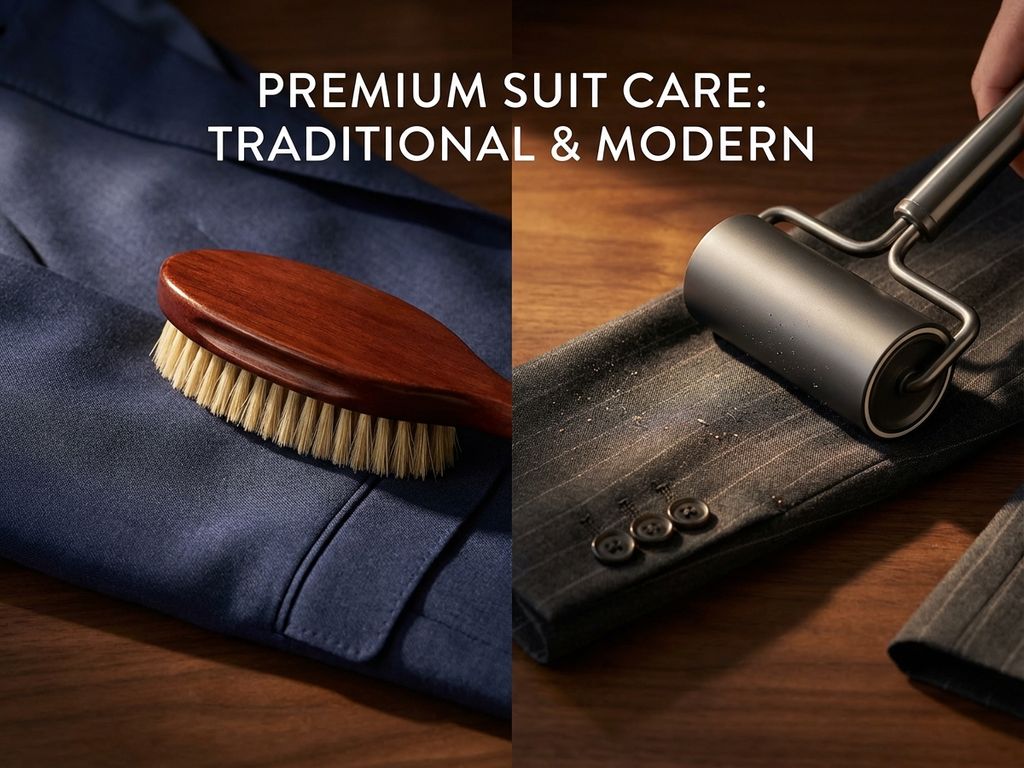
Suit brushing and lint rolling are both effective methods for maintaining your garments, but they work differently and serve distinct purposes. Suit brushing uses natural bristles to lift dirt and restore fabric texture, while lint rolling uses adhesive sheets to remove surface debris. Brushing protects delicate fibres and maintains suit structure, while lint rolling provides quick removal of visible particles. Understanding when to use each method helps preserve your suit’s appearance and extends its lifespan through proper suit care practices.
What exactly is suit brushing and how does it work?
Suit brushing involves using a specialised brush with natural bristles to gently clean and maintain fabric fibres. The brush works by lifting embedded dirt particles, restoring the natural lay of the fabric, and removing surface debris without damaging delicate materials. This traditional garment care method has remained popular because it actually improves fabric appearance while being completely safe for expensive suits.
The science behind fabric brushes lies in how the bristles interact with different textile structures. Natural boar bristles or horsehair bristles are firm enough to dislodge particles but soft enough to avoid snagging delicate wool or silk fibres. When you brush in the direction of the fabric grain, you’re essentially combing the fibres back into their intended position while simultaneously removing anything that shouldn’t be there.
Professional tailors recommend brushing because it maintains the fabric’s integrity over time. Unlike aggressive cleaning methods, brushing actually helps wool fibres maintain their natural oils and structure. This is why quality suits often look better after regular brushing sessions. The technique works particularly well on textured fabrics like tweed, where the brush can reach into the weave pattern to remove particles that might otherwise become permanently embedded.
The brushing motion should always follow the fabric’s natural grain. You’ll typically brush downward on jacket fronts and sleeves, following the direction that feels smoothest when you run your hand over the material. This approach ensures you’re working with the fabric rather than against it, which is fundamental to proper suit maintenance.
How does lint rolling actually remove debris from suits?
Lint rollers use sheets of adhesive material to capture and remove particles from fabric surfaces through direct contact. The sticky surface grabs onto loose fibres, hair, dust, and other debris, pulling them away from the garment when you roll the tool across the fabric. This method excels at removing visible particles that sit on top of the fabric rather than embedded within it.
The adhesive technology in lint rollers is designed to be strong enough to capture debris but gentle enough not to damage most fabrics. The roller picks up everything from pet hair and lint to small threads and surface dust. However, it only affects what’s directly touching the adhesive surface, which means it won’t reach particles that have settled deeper into the fabric weave.
Lint rollers work exceptionally well on smooth fabrics where particles tend to sit on the surface rather than becoming embedded. They’re particularly effective on dark suits where light-coloured debris shows prominently, or when you need to quickly remove specific items like pet hair before an important meeting.
The limitation of lint rolling lies in its surface-level approach. While it removes visible debris effectively, it doesn’t address the deeper cleaning and fabric restoration that brushing provides. Additionally, very sticky rollers can sometimes pull at delicate fabrics or remove fibres that should remain part of the garment, which is why technique matters even with this seemingly simple tool.
Modern lint rollers often feature different adhesive strengths for various fabric types. Some are designed specifically for delicate materials, while others work better on sturdy fabrics that can handle stronger adhesive contact. Understanding your fabric type helps you choose the right roller strength for effective suit cleaning without damage.
What’s the difference between suit brushing and lint rolling for fabric care?
The fundamental difference lies in their approach and long-term impact on garment quality. Brushing maintains and improves fabric condition by working with the natural structure of the fibres, while lint rolling provides immediate surface cleaning without affecting the underlying fabric health. Brushing costs more initially but lasts for years, while lint rolling requires ongoing purchase of adhesive sheets.
From an effectiveness standpoint, brushing addresses both visible and embedded debris while also maintaining fabric appearance. It removes particles that have settled into the weave and restores the natural texture of quality materials. Lint rolling excels at immediate removal of surface debris but cannot address embedded particles or fabric restoration needs.
Fabric safety represents another important distinction. Proper brushing actually benefits fabric health by maintaining fibre alignment and removing particles before they can cause damage through friction. Lint rolling, when done correctly, is generally safe but doesn’t provide any protective benefits to the fabric itself.
Cost considerations favour brushing for long-term suit care. A quality fabric brush represents a one-time investment that can last decades with proper care. Lint rollers require ongoing replacement of adhesive sheets, which adds up over time, especially if you maintain multiple suits regularly.
The long-term impact on garment quality clearly favours brushing for expensive suits. Regular brushing helps maintain the fabric’s original appearance and can actually improve how a suit looks over time. Lint rolling, while useful, doesn’t contribute to long-term fabric health and may gradually remove surface fibres if used too frequently or aggressively.
Professional suit maintenance typically combines both methods strategically. Brushing forms the foundation of regular care, while lint rolling handles specific situations where immediate debris removal is needed. This approach maximises the benefits of both techniques while minimising any potential drawbacks.
When should you brush your suit versus using a lint roller?
Choose brushing for regular maintenance, after wearing your suit, and when dealing with quality fabrics that benefit from careful attention. Use lint rolling for immediate debris removal before important events, when dealing with specific particles like pet hair, or for quick touch-ups when you don’t have time for proper brushing. The fabric type and situation should guide your choice.
Fabric type plays a crucial role in method selection. Wool suits, especially those made from fine materials, respond beautifully to regular brushing and should be brushed after each wearing. Cotton and linen suits can handle either method, though brushing still provides superior long-term care. Delicate fabrics like silk require gentle brushing with soft bristles rather than lint rolling, which might disturb the fabric surface.
Consider the type of debris you’re addressing. For general dust, body oils, and embedded particles that accumulate through normal wear, brushing provides the most thorough cleaning. For specific items like pet hair, visible lint, or thread fragments, lint rolling offers quick and targeted removal. If you notice your suit looking dull or flat, brushing will restore its appearance better than rolling.
Time constraints often determine the practical choice. Proper suit brushing takes several minutes and requires technique to do effectively. Lint rolling takes seconds and requires no special skill, making it ideal when you’re rushing to leave the house or need a quick fix at the office.
Suit quality should influence your approach significantly. Investment pieces and made-to-measure suits deserve the careful attention that brushing provides. These garments benefit from the fabric maintenance aspects of brushing, which help preserve their appearance and extend their lifespan. Less expensive suits can be maintained adequately with either method, though brushing still provides superior care.
Professional situations often call for different approaches. Before important meetings or formal events, a quick lint rolling session ensures no visible debris distracts from your appearance. For ongoing garment care that maintains your professional wardrobe, regular brushing provides the foundation for consistently well-maintained suits.
Understanding both methods and when to apply them gives you complete control over your suit maintenance routine. Most well-dressed individuals use both techniques strategically, with brushing forming the backbone of their garment care routine and lint rolling providing tactical solutions for specific situations.
Proper suit care extends far beyond simple cleaning to encompass understanding your garments and treating them appropriately. Whether you choose brushing for its restorative benefits or lint rolling for its convenience, consistent attention to your suits maintains their appearance and protects your investment. At Café Costume, we believe that understanding these care fundamentals helps you get the most from your tailored pieces, whether you’re maintaining a cherished suit or considering your first made-to-measure investment.
