



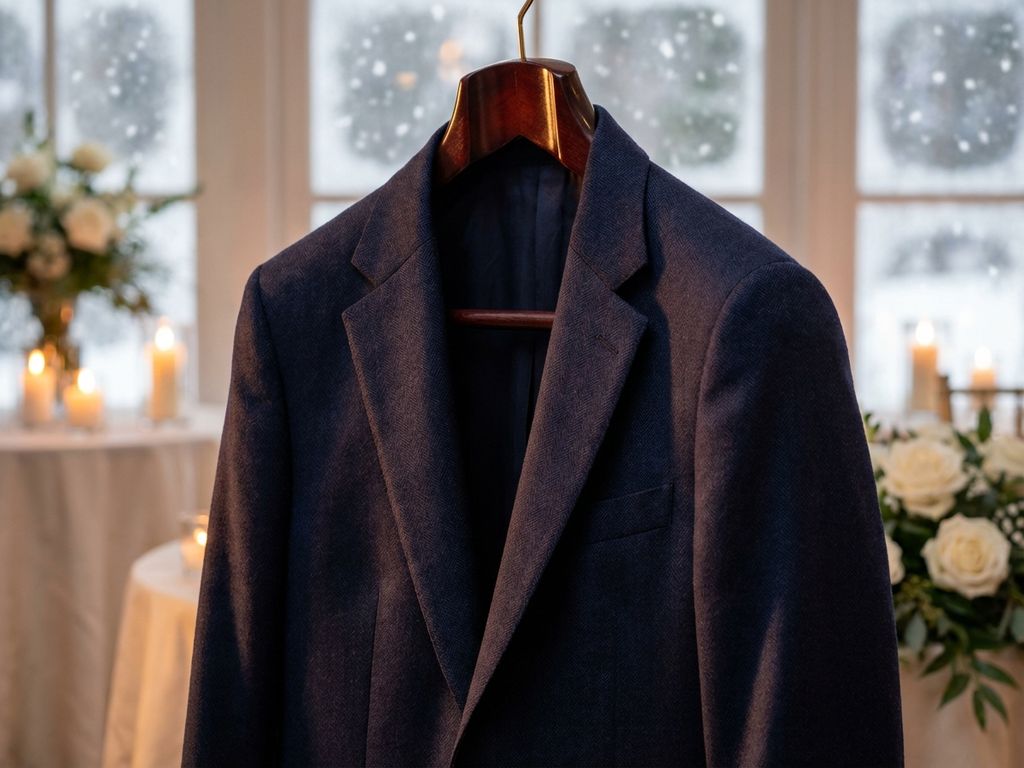
Winter weddings call for heavier suit fabrics because cold temperatures require materials that provide insulation while maintaining formal elegance. Heavier fabrics like wool, flannel, and tweed offer superior warmth retention and wind resistance compared to lightweight summer materials. These fabrics also drape better in cold weather, preventing the stiff appearance that lighter materials can develop in low temperatures and ensuring you look polished throughout the ceremony and reception.
Why do winter temperatures affect suit fabric choices?
Cold weather dramatically impacts how fabrics perform, feel, and appear on your body. Heavier fabrics provide better insulation by trapping warm air between fibres, creating a barrier against cold temperatures that lightweight materials simply cannot match.
Temperature affects fabric behaviour in several important ways. Lightweight fabrics become stiff and uncomfortable in cold conditions, making movement awkward during ceremonies. They also offer minimal protection against wind, which can make outdoor wedding photos particularly uncomfortable. Additionally, thin materials can appear wrinkled or pulled when you layer clothing underneath for warmth.
Breathability needs change significantly in winter. While summer wedding suits require maximum airflow to prevent overheating, winter formal wedding suits need controlled breathability. You want fabrics that regulate temperature without allowing cold air to penetrate. This balance prevents both overheating indoors and freezing during outdoor portions of the celebration.
Heavier fabrics also maintain their shape better in cold weather. They drape naturally over layered clothing without creating bulk or awkward silhouettes. This means your suit maintains its elegant appearance whether you’re wearing thermal undergarments or simply relying on the fabric’s natural warmth.
What makes a suit fabric ‘heavy’ and suitable for winter?
Fabric weight is measured in grams per square metre (GSM) or ounces per square yard. Winter suit fabrics typically weigh 300–400 GSM compared to summer fabrics at 200–280 GSM. This additional weight comes from denser weaves, thicker fibres, or multiple-ply construction that creates superior insulation properties.
Heavy fabrics achieve their winter suitability through specific characteristics. Dense weaves create smaller gaps between fibres, reducing air circulation and heat loss. Thicker individual fibres provide more insulation, while certain weaving techniques like twill create additional texture that traps warm air effectively.
The construction method significantly impacts warmth. Fabrics with brushed finishes, like flannel, have fibres raised from the surface to create air pockets. Multiple-ply yarns, where several threads are twisted together, create thicker, warmer materials than single-ply alternatives.
Natural fibres excel in winter applications. Wool’s crimped structure naturally traps air, providing excellent insulation even when the fabric appears relatively thin. Cashmere offers exceptional warmth-to-weight ratios, while mohair adds durability and wind resistance to winter wedding suit colours.
Heavy fabrics also provide practical advantages for formal events. They resist wrinkles better than lightweight alternatives, maintain their pressed appearance longer, and create clean lines that complement formal wedding attire requirements.
Which specific fabrics work best for winter wedding suits?
Wool varieties dominate winter wedding fabric choices due to their natural insulation properties and formal appearance. Merino wool offers excellent temperature regulation, while heavier worsteds provide structure and durability. Wool flannel combines warmth with sophisticated texture, making it ideal for both formal wedding suits and semi-casual celebrations.
Flannel deserves special attention for winter weddings. This brushed wool fabric provides exceptional warmth while maintaining an elegant appearance. Cotton flannel works for casual winter ceremonies, but wool flannel delivers the sophistication required for formal events. The soft texture feels comfortable against the skin and layers well with dress shirts.
Tweed brings both warmth and character to winter wedding suits. Traditional tweeds feature complex weaves that create natural insulation while offering distinctive patterns. Harris Tweed, Donegal Tweed, and Yorkshire Tweed each provide different aesthetic options while delivering reliable cold-weather performance.
Cashmere blends offer luxury and warmth for high-end winter wedding suits. Pure cashmere can be delicate for frequent wear, but cashmere–wool blends provide durability alongside exceptional softness and insulation. These fabrics work particularly well for grooms seeking premium winter wedding suits that transition into cooler evening receptions.
Corduroy and velvet provide alternative textures for unique winter celebrations. While less traditional, these fabrics offer excellent warmth and create distinctive visual interest. Corduroy works well for rustic or outdoor winter weddings, while velvet suits formal evening ceremonies.
Avoid linen, cotton poplin, and other lightweight materials typically used for summer wedding suits. These fabrics provide insufficient insulation and can appear inappropriate for cold-weather celebrations.
How do you balance warmth with formal wedding dress codes?
Successful winter wedding attire combines appropriate fabric weight with elegant styling that meets formal requirements. Choose structured fabrics that maintain clean lines while providing insulation, ensuring you stay warm without compromising the sophisticated appearance expected at formal celebrations.
Layering strategies become important for winter wedding suits. Start with quality thermal undergarments that fit close to the body without creating bulk. Choose dress shirts in slightly heavier cotton or wool blends that provide additional warmth while maintaining a formal appearance. Avoid thick jumpers or casual layers that disrupt the suit’s silhouette.
Colour selection impacts both warmth perception and formal appropriateness. Darker wedding suit colours like navy, charcoal, and deep grey naturally appear more substantial and winter-appropriate while meeting formal dress codes. These colours also complement the rich textures of winter fabrics better than lighter alternatives.
Accessory choices enhance both warmth and elegance. Quality wool or cashmere scarves add warmth during outdoor portions while complementing formal attire. Leather gloves, wool pocket squares, and appropriate outerwear like wool overcoats complete the winter formal look without compromising style.
Fit becomes particularly important with heavier fabrics. Winter suits should accommodate slight layering without appearing loose or sloppy. Work with experienced tailors who understand how different fabric weights behave and can adjust patterns accordingly. Proper fit ensures your winter wedding suit looks intentional rather than simply bulky.
Consider venue requirements when selecting fabrics. Outdoor ceremonies need maximum warmth, while primarily indoor celebrations allow for slightly lighter options. Mixed indoor–outdoor events require versatile fabric choices that perform well in varying conditions.
Winter wedding suit selection requires balancing warmth, comfort, and formal elegance through careful fabric choice and proper fitting. Heavy wool varieties, flannel, and quality blends provide the insulation needed for cold-weather celebrations while maintaining the sophisticated appearance appropriate for formal occasions. The right winter fabric ensures you stay comfortable throughout the ceremony and reception while looking appropriately dressed for the season and event. When planning your winter wedding attire, we recommend consulting experienced tailors who can guide you through fabric options and ensure proper fit for both comfort and style.
