



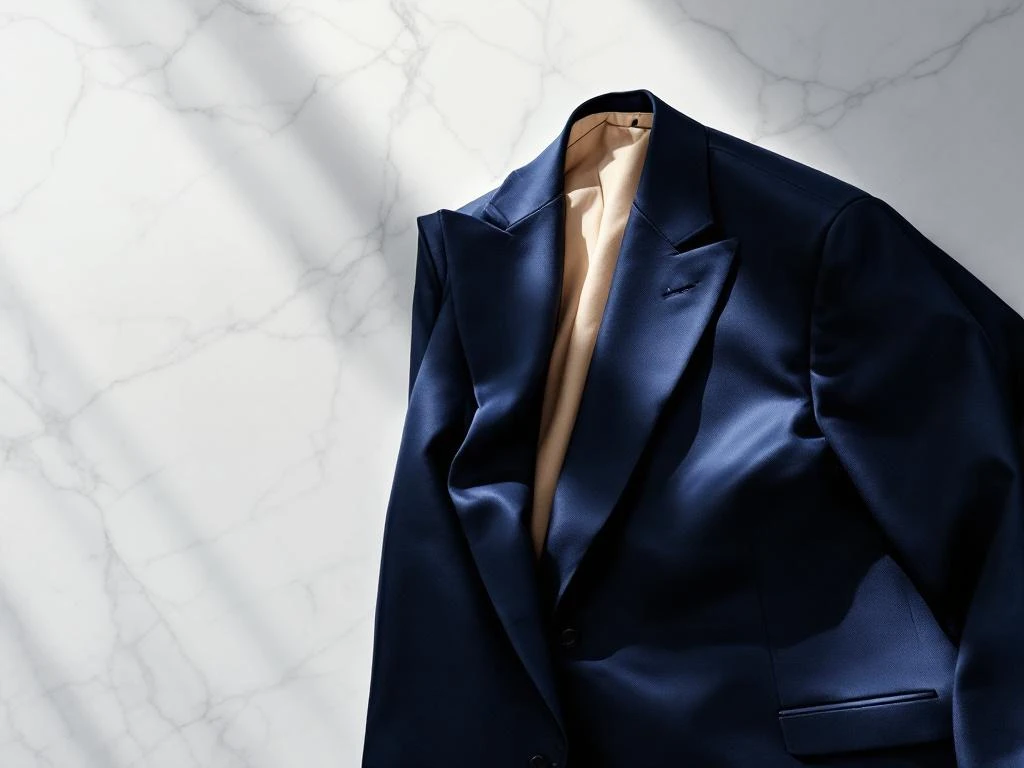
Folding a suit properly protects the garment’s structure, prevents permanent creasing, and maintains the quality of your investment. The correct technique involves turning the jacket inside out at the shoulders to create a protective buffer, whilst trousers require careful alignment along their natural crease. Whether you’re packing for travel or storing your suit temporarily, proper folding techniques preserve the fabric integrity and construction that make quality tailoring worth the investment.
Why does proper suit folding matter for garment longevity?
Proper suit folding protects the internal construction elements that give your suit its shape and structure. Quality suits contain canvas interlining, shoulder padding, and carefully shaped lapels that can be permanently damaged by incorrect folding. When you fold a suit improperly, you risk crushing these structural components, creating sharp creases in the fabric, and distorting the silhouette that tailors work so carefully to achieve.
Made-to-measure suits deserve particular attention because they’re constructed with precision to fit your body perfectly. The canvas interlining in these garments molds to your shape over time, creating a natural drape that off-the-rack suits cannot achieve. Careless folding can break down this canvas, causing bubbling or separation from the outer fabric. Understanding how it works when a suit is professionally tailored helps you appreciate the importance of proper care techniques.
The fabric itself suffers from poor folding practices. Wool fibres, whilst naturally resilient, can develop permanent creases when repeatedly folded in the same place under pressure. These stress points weaken the fabric over time, leading to shine, thinning, or eventual tears at the fold lines. Understanding these construction elements helps you appreciate why proper folding technique isn’t just about appearance but about preserving the garment’s fundamental integrity.
What’s the correct way to fold a suit jacket without damaging it?
The professional jacket folding technique protects your suit’s structure by turning the shoulders inside out to create a cushioning effect. This method, used by tailors and experienced travellers, minimizes stress on the shoulder padding and prevents sharp creases across the back panel. The technique works for both single-breasted and double-breasted jackets, though button placement requires slight adjustments.
Follow these steps for folding suit jackets properly:
- Stand behind the jacket and reach inside both shoulders with your hands
- Grasp the shoulder padding firmly where the sleeve meets the body
- Turn one shoulder inside out whilst keeping the other right-side out
- Tuck the inside-out shoulder into the normal shoulder, creating a protective buffer
- Smooth the back panel to remove any bunching or wrinkles
- Fold the jacket lengthwise down the centre back seam
- Fold once more horizontally at the waist if needed for luggage
The key is ensuring the shoulders cushion each other rather than creating a hard fold line. For double-breasted jackets, unbutton completely before folding to prevent stress on the button placement. Heavier fabrics like tweed can tolerate this method well, whilst lighter fabrics benefit from tissue paper placed between the folds to prevent friction marks.
How should you fold suit trousers for travel or storage?
Suit trousers should be folded along their existing crease line to maintain the sharp pressed appearance and prevent creating unwanted fold marks. The lengthwise fold technique preserves the trouser’s shape whilst allowing compact packing. This method works whether you’re placing trousers in luggage or storing them temporarily between wears.
Lay the trousers flat on a clean surface with the legs perfectly aligned. Match the inseams together so the creases line up precisely on both legs. This alignment is critical because folding even slightly off the crease creates a competing line that’s difficult to press out later. Smooth the fabric from waistband to hem, removing any wrinkles or bunching.
For travel packing, fold the trousers once or twice horizontally, depending on your luggage size. The fewer folds, the fewer potential crease lines. Place the fold points at the knee and mid-thigh rather than random spots to create natural breaking points that are easier to steam out upon arrival.
Pleated trousers require extra care at the waistband where the pleats gather. Ensure these pleats lay flat and in their intended direction before folding. Flat-front trousers are more forgiving but still benefit from careful crease alignment. For storage between wears, a single lengthwise fold with trousers draped over a hanger bar works better than complete folding, allowing the fabric to breathe whilst maintaining the crease.
What’s the difference between folding a suit for travel versus long-term storage?
Travel folding prioritizes compactness and short-term wrinkle prevention, whilst storage folding focuses on fabric breathing and shape preservation over extended periods. These different goals require distinct approaches to how you handle your suits. Understanding when each method applies helps you make the right choice for your situation.
For travel, you’re working within luggage constraints and accepting that some temporary creasing will occur. The inside-out shoulder method and strategic trouser folding minimize damage during the journey. You’ll unpack within days and can steam or hang the suit to release any wrinkles. Travel folding accepts compression as necessary for portability.
Storage folding, by contrast, assumes the suit will remain folded for weeks or months. In these cases, hanging is almost always preferable to folding. Quality wooden hangers that support the shoulder line properly are the best storage solution. The jacket hangs naturally, allowing air circulation and preventing the permanent creases that develop from prolonged folding under pressure.
When hanging isn’t possible for storage, use breathable garment bags rather than plastic covers. Plastic traps moisture and can cause mildew or fabric degradation. Add tissue paper or acid-free paper between folds to prevent friction marks. Store suits in cool, dry locations away from direct sunlight. Check periodically and refold along different lines if extended storage continues, preventing permanent crease formation in any single location. If you have questions about proper suit care, feel free to contact a professional tailor for guidance.
How do you minimize wrinkles when folding a suit in luggage?
Strategic packing placement and protective layering reduce friction and compression that cause wrinkles in folded suits. Pack your folded suit on top of other clothing items rather than at the bottom where it bears the weight of everything else. This positioning prevents the crushing pressure that creates stubborn creases requiring professional pressing.
The plastic dry-cleaning bag trick works remarkably well for travel. Place your folded jacket inside a thin plastic bag before packing. The slippery surface reduces friction between the suit fabric and surrounding items, allowing the garment to shift slightly rather than creasing under pressure. This simple technique prevents the fabric-on-fabric rubbing that creates shine and wear marks.
Use softer items like knitwear or casual shirts as buffers around your suit. These items cushion the suit whilst filling empty spaces in your luggage that would otherwise allow shifting during transit. Roll ties and place them in shoes to save space whilst protecting both items. Pack shoes in bags to prevent them from marking your suit fabric.
Upon arrival, unpack your suit immediately rather than leaving it compressed in luggage. Hang it in the bathroom whilst you shower, allowing the steam to naturally release minor wrinkles. For stubborn creases, use the hotel iron on a low steam setting with a pressing cloth between the iron and fabric, or request pressing services. Business travellers benefit from packing a small travel steamer, whilst wedding guests should arrive a day early when possible, allowing time for any necessary pressing before the event.
Mastering proper suit folding techniques protects your investment in quality tailoring whilst ensuring you always look sharp when it matters. The inside-out shoulder method for jackets and careful crease alignment for trousers form the foundation of good suit care. Whether you’re travelling for business, attending a wedding, or simply storing suits between seasons, these techniques preserve the construction, fabric, and appearance that make a well-made suit worth owning. When you understand how suits are built and why certain folding methods work, caring for your tailored garments becomes second nature rather than a source of anxiety. Learn more about quality suit construction and care practices to maintain your wardrobe investment.
