



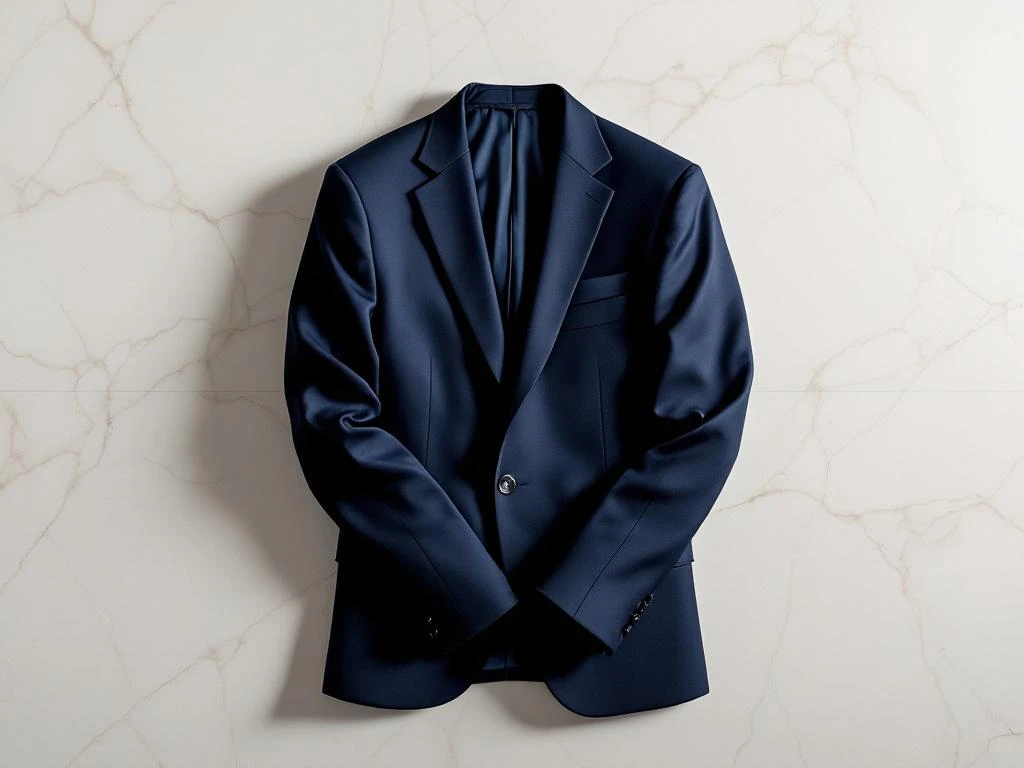
Yes, you can fold a suit without creating permanent wrinkles if you use the right technique. Whilst some minor creasing is inevitable, proper folding methods minimise wrinkles significantly. The key is understanding fabric behaviour, using strategic folding points, and knowing how to restore your suit after unpacking. This guide covers the best methods for folding both jacket and trousers whilst maintaining their appearance.
Can you actually fold a suit without getting wrinkles?
You can fold a suit with minimal wrinkling using proper techniques, though some light creasing is normal. The fabric will naturally compress when folded, but quality suit fabrics have some resilience and will recover when hung properly. Wool and wool-blend suits handle folding better than delicate materials like linen or silk blends.
The reality is that “wrinkle-free” means minimising creases rather than eliminating them entirely. When you fold a suit correctly, you’re working with the garment’s construction rather than against it. This means folding along natural lines and protecting structured areas like shoulders.
Folding works best for short trips of one to three days. For longer travel, a garment bag remains the better option. However, when space is limited or you’re packing a carry-on, folding becomes necessary. The good news is that modern suit construction and proper folding techniques make this entirely manageable.
Consider your fabric type before folding. Heavier wool suits are more forgiving, whilst lightweight summer fabrics show creases more readily. If you’re travelling with a particularly delicate suit, you might want to explore suit storage alternatives or accept that you’ll need extra time for steaming upon arrival.
What’s the best method to fold a suit jacket for travel?
The inside-out method is the most effective way to fold a suit jacket. Turn one shoulder inside out, then tuck the other shoulder into it, creating a cushion that protects the jacket’s structure. This technique keeps the outer fabric smooth whilst the shoulders support each other, preventing harsh creases along the back and lapels.
Start by unbuttoning the jacket completely. Flip one shoulder inside out, reaching in through the arm hole. Take the opposite shoulder and gently fold it into the inverted shoulder, so they nest together. The jacket now forms a compact package with the lining visible on the outside.
Once the shoulders are nested, fold the jacket in half lengthwise, bringing the bottom hem up to meet the collar area. You can also fold it in thirds for tighter packing. The inside-out method works because it uses the jacket’s own padding and structure to protect itself, rather than creating pressure points that cause deep wrinkles.
Place the folded jacket at the top of your suitcase where it won’t be crushed by heavier items. If possible, lay it flat rather than wedging it on its side. Some travellers place tissue paper or a dry cleaning bag between folds for extra protection, though this isn’t necessary for short trips.
How do you fold suit trousers without creating creases?
Fold suit trousers along their existing crease lines to avoid creating new, unwanted wrinkles. Align the inner and outer seams precisely, so the trouser legs lie flat with the pressed creases perfectly matched. This maintains the sharp front crease whilst preventing additional lines from forming across the fabric.
Lay the trousers flat on a clean surface with the legs extended. Match the seams carefully by running your hand along the length to ensure perfect alignment. The existing crease should be clearly visible on the front of each leg.
For short trips, fold the trousers once at the knee, bringing the hem up to meet the waistband. This creates a single horizontal fold that’s easy to smooth out later. For tighter packing, you can fold them twice, but each additional fold increases the chance of visible creasing.
Another approach is the “roll method” for casual suit trousers, though this works less well for formal dress trousers with sharp creases. Rolling can actually set unwanted wrinkles in pressed wool trousers, so stick with careful folding along natural lines. Place folded trousers flat in your luggage, ideally with the jacket on top for protection.
What should you do immediately after unpacking a folded suit?
Hang your suit on a proper hanger immediately after unpacking to let gravity help release wrinkles. Use a wide-shouldered hanger for the jacket to maintain its shape, and a clip or bar hanger for the trousers. Leave the suit hanging in a bathroom whilst you shower, as the steam helps relax fabric fibres and smooth minor creases.
The bathroom steam method works surprisingly well for light wrinkles. Hang the suit away from direct water spray but close enough to benefit from the humid air. A hot shower running for 10-15 minutes creates enough steam to noticeably improve the suit’s appearance without the risk of water damage.
If wrinkles persist, use a handheld steamer or the steam function on an iron, keeping it slightly away from the fabric. Never press an iron directly onto suit fabric without a pressing cloth, as this can create shine or damage delicate materials. Focus on visible areas like lapels, sleeves, and the trouser fronts.
Give your suit adequate time to recover before wearing it. Hanging overnight produces the best results, allowing the fabric to fully relax and return to its natural drape. This is particularly important for quality tailored suits, which respond well to proper suit cleaning and careful handling.
Understanding how to fold a suit properly transforms travel with formal wear from stressful to manageable. The techniques covered here work for any quality suit, whether you’re heading to a wedding, business meeting, or special event. With practice, you’ll pack confidently knowing your suit will look presentable when you arrive.
At Café Costume, we craft suits using traditional techniques and quality fabrics that travel well when you follow proper care methods. Our made-to-measure approach ensures your suit fits perfectly and maintains its shape through regular wear and careful packing. If you have questions about caring for your suit or want to learn more about our tailoring philosophy, we’re here to help. Visit one of our Belgian boutiques or contact us to experience tailoring that combines heritage craftsmanship with practical, modern style.
