



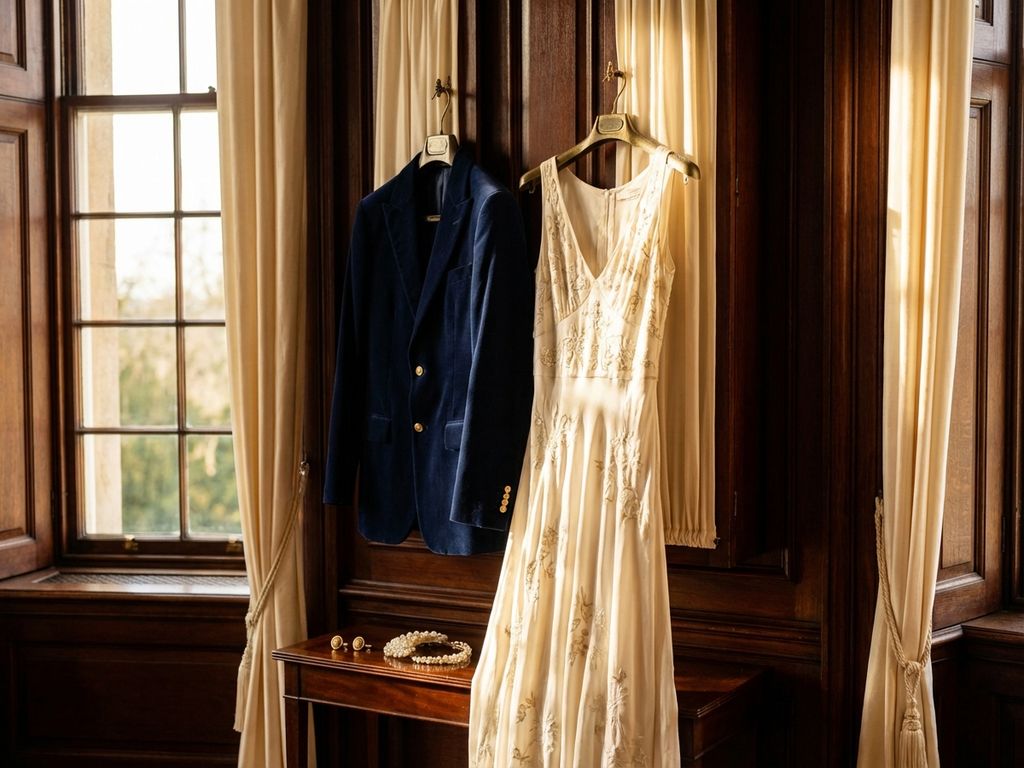
Coordinating your wedding suit with your partner’s dress involves balancing colour harmony, formality levels, and complementary styles without being overly matchy. Focus on creating visual cohesion through subtle connections like complementary colours, similar textures, or matching levels of formality. The goal is to achieve a unified look that enhances both outfits while allowing each person’s individual style to shine through on your special day.
What are the basic principles of coordinating a wedding suit with a dress?
The foundation of coordinating wedding suits with dresses lies in achieving visual harmony through colour theory, formality matching, and balanced styling. Rather than aiming for an exact match, focus on complementary elements that create a cohesive appearance while maintaining individual personality and style preferences.
Start with formality alignment. If your partner chooses a formal ball gown with intricate beading, pair it with a classic three-piece suit or tuxedo. For a relaxed outdoor ceremony with a flowing bohemian dress, consider lighter summer wedding suits in natural fabrics like linen or cotton. The key is ensuring both outfits belong in the same style category.
Colour coordination works best through complementary rather than identical tones. If the dress features ivory or champagne, navy, charcoal, or warm grey suits create beautiful contrast. For white dresses, nearly any suit colour works, giving you the flexibility to incorporate personal preferences or wedding theme colours through your choice.
Consider the venue and season when coordinating. Beach weddings call for lighter colours and breathable fabrics, while winter ceremonies in grand venues suit richer, deeper tones. Garden parties work beautifully with softer colours, while evening receptions can handle more dramatic colour combinations.
How do you match suit colors with different dress styles and fabrics?
Wedding suit colors should complement rather than compete with dress tones and textures. Use the colour wheel as your guide: opposite colours create striking contrast, while adjacent colours offer subtle harmony. Consider the dress fabric’s weight and sheen when selecting your suit material and the intensity of its colour.
For ivory or champagne dresses, navy blue creates timeless elegance, while charcoal grey offers modern sophistication. Warm grey suits pair beautifully with blush or dusty rose tones. If your partner wears a coloured dress, choose neutral suit colours that won’t clash – navy, grey, or black provide safe, elegant options.
Fabric coordination matters as much as colour. Pair silk or satin dresses with smooth wool suits for formal occasions. For textured dresses like lace or tulle, consider suits with subtle texture variation – perhaps a fine herringbone or micro-pattern. Summer wedding suits in linen complement flowing chiffon or cotton dresses perfectly for outdoor ceremonies.
Avoid these common colour mistakes: wearing brown suits with cool-toned dresses, pairing busy patterns together, or choosing colours that are too similar but not quite matching. When in doubt, test colour combinations in different lighting conditions, as ceremony and reception lighting can dramatically affect how colours appear together.
Seasonal colour considerations
Spring weddings work beautifully with lighter suit colours – soft greys, light blues, or even cream for less formal ceremonies. Summer calls for breathable fabrics in navy, light grey, or khaki tones. Autumn weddings suit richer colours like deep navy, forest green, or burgundy. Winter ceremonies can handle darker, more dramatic combinations with black, charcoal, or midnight blue suits.
What details should you coordinate beyond just the main colors?
Successful coordination extends beyond primary colours to include accessories, textures, patterns, and subtle details that create visual connection without overwhelming the overall aesthetic. These smaller elements often make the biggest impact in creating a cohesive, thoughtfully planned appearance.
Your boutonnière offers an excellent coordination opportunity. Rather than matching the exact flowers in the bouquet, choose complementary blooms or incorporate similar colours in different flower types. If the bouquet features white roses with eucalyptus, consider a single white bloom with a small eucalyptus accent for your lapel.
Accessories provide another coordination layer. Match metal tones between your watch, cufflinks, and your partner’s jewellery. If they wear gold jewellery, incorporate gold accents in your accessories. For silver or platinum jewellery, stick with silver-toned accessories. Your tie or pocket square can echo colours from the bouquet or dress details without being too literal.
Texture coordination creates sophisticated visual harmony. If the dress features lace details, consider a subtly textured tie or pocket square. For smooth satin dresses, choose smooth silk accessories. The goal is to create subtle echoes rather than obvious matching.
Consider coordinating through patterns as well. If the dress includes delicate beading or embroidery, a pocket square with a subtle pattern or texture adds visual interest without competing. For minimalist dresses, keep accessories clean and simple to maintain the aesthetic.
Footwear and finishing touches
Shoe coordination often gets overlooked but matters significantly. Match formality levels – patent leather shoes for formal gowns, leather Oxfords for classic styles, or clean leather loafers for casual outdoor ceremonies. Consider colour coordination too; brown shoes work beautifully with earth-toned palettes, while black shoes suit most other colour combinations.
How do you balance personal style with coordination requirements?
Maintaining individual style while achieving visual harmony requires thoughtful compromise and creative problem-solving. The best coordinated looks feel authentic to both people rather than forced or overly styled. Focus on finding common ground that honours both personal preferences and creates beautiful photographs.
Start by identifying non-negotiable style elements for both of you. Perhaps you strongly prefer formal wedding suits while your partner loves flowing, romantic dresses. Find the overlap – a classic formal suit in a softer colour, or incorporating romantic details like a silk pocket square or vintage cufflinks that bridge both aesthetics.
When style preferences differ significantly, use the venue and wedding theme as neutral ground. A rustic barn wedding might inspire you to choose a tweed suit while your partner selects a bohemian lace dress – both fitting the theme while maintaining individual style. Urban venues offer flexibility for mixing classic and contemporary elements.
Consider incorporating meaningful personal touches that create connection: matching family heirloom jewellery, incorporating colours from your shared travels, or choosing elements that reflect your hobbies or interests. These personal details often create the most beautiful coordination because they’re authentic to your relationship.
Remember that perfect coordination isn’t the goal – authentic representation of your partnership is. Some of the most stunning wedding photos feature couples who look completely themselves while clearly belonging together. Focus on elements that feel natural rather than forced, and don’t sacrifice comfort or confidence for the sake of perfect matching.
Working with different style personalities
If one person prefers classic styles while the other loves trend-led fashion, find timeless elements that satisfy both preferences. A classic navy suit with contemporary tailoring details, or a traditional dress silhouette in an on-trend colour, can bridge different style approaches successfully.
Coordinating your wedding attire creates beautiful visual harmony while celebrating your individual styles. The most successful combinations balance colour theory, formality matching, and thoughtful details without sacrificing personal authenticity. Remember that your wedding photos will capture this moment forever, so choose coordination elements that feel genuinely representative of both of you. At Café Costume, we understand that every couple’s style is unique, and we’re here to help you create the perfect coordinated look that honours both your individual preferences and your partnership.
