



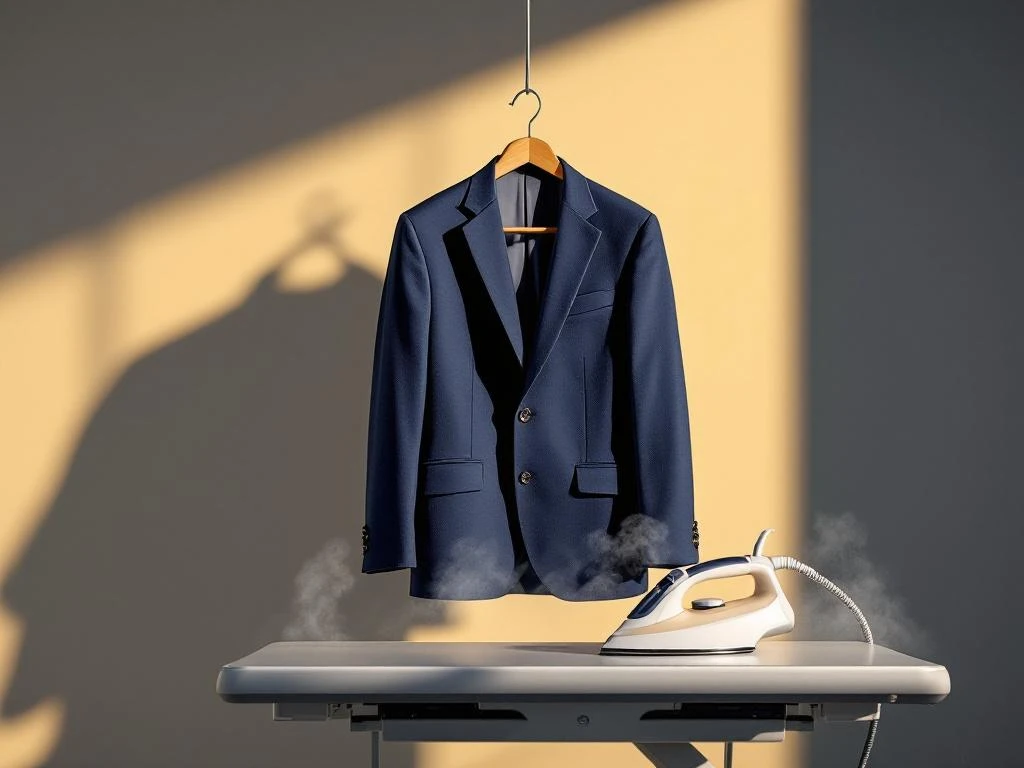
Suit pressing is a garment care technique that uses heat, moisture, and controlled pressure to remove wrinkles and restore your suit’s crisp appearance. Unlike ironing, pressing involves placing the fabric between heated surfaces without dragging, which preserves the suit’s shape and prevents fabric damage. This method keeps your suits looking professional between wears and extends their lifespan.
What exactly is suit pressing and how does it work?
Suit pressing is a professional garment care method that combines heat, steam, and pressure to smooth wrinkles and restore fabric structure without damaging delicate suit materials. The process involves placing your suit between heated pressing plates or using a steam press to gently flatten creases while maintaining the garment’s original shape and construction.
The technique works by temporarily softening fabric fibres with controlled heat and moisture, then reshaping them under gentle pressure. Professional pressing equipment maintains consistent temperature and steam levels, ensuring even treatment across different fabric types. The pressing surface remains stationary against the fabric, unlike ironing, where you move the iron across the material.
This method particularly benefits structured garments like suits because it respects internal construction elements such as canvas interfacing and shoulder padding. The heat relaxes wrinkles while the pressure sets the fabric back into its intended form. Steam helps penetrate the fibres more effectively than dry heat alone, making the process gentler yet more thorough.
Professional suit pressing also involves specific techniques for different garment sections. Jacket lapels receive careful attention to maintain their roll, trouser creases are precisely set, and delicate areas like buttonholes are protected during the process.
What’s the difference between pressing and dry cleaning your suit?
Pressing removes wrinkles and refreshes your suit’s appearance, while dry cleaning removes stains, odours, and deep-seated dirt using chemical solvents. Pressing is a maintenance service you can use frequently, whereas dry cleaning is a thorough cleaning process recommended only when necessary to avoid fabric wear.
Cost-wise, pressing typically costs £8–15 per suit, making it an affordable regular maintenance option. Dry cleaning ranges from £15–30 per suit and involves chemical processes that gradually break down fabric fibres with repeated use. You can press a suit after each wear if needed, but dry cleaning should be limited to a maximum of 3–4 times per year.
The processes serve different purposes in comprehensive suit care. Pressing addresses surface-level issues like wrinkles from sitting, travelling, or storage. It freshens the appearance and can remove light surface dust. Dry cleaning penetrates deep into fabric fibres to remove oils, perspiration, food stains, and embedded dirt that pressing cannot address.
Many people combine both services strategically. You might dry clean your suit at the start of the season, then maintain it with regular pressing throughout the wearing period. This approach keeps your suit looking sharp while minimising chemical exposure and extending the garment’s lifespan.
Pressing also offers the advantage of same-day service at most establishments, while dry cleaning typically requires 24–48 hours. For business travellers or those needing a quick turnaround, pressing provides immediate wrinkle removal without the wait.
How often should you press a suit to keep it looking sharp?
Press your suit after every 2–3 wears for optimal appearance, though this varies based on fabric type, storage conditions, and how long you wear the garment each time. Lightweight wools and delicate fabrics may need pressing more frequently, while heavier woollens and more structured suits often maintain their shape longer between sessions.
Several signs indicate when your suit needs pressing. Visible wrinkles around the knees, elbows, or seat area suggest it’s time for attention. If the trouser creases have softened or disappeared, or if the jacket appears rumpled after hanging overnight, pressing will restore its crisp appearance.
Your storage method significantly affects pressing frequency. Suits hung on proper wooden hangers in a well-ventilated wardrobe stay wrinkle-free longer than those cramped in overcrowded spaces. Garment bags can help, but ensure they’re breathable to prevent moisture buildup.
Travel dramatically increases pressing needs. A suit worn on a long flight or packed in luggage will likely require immediate pressing upon arrival. Business travellers often press suits before important meetings, regardless of recent wear, to ensure the sharpest possible appearance.
To extend the time between pressing sessions, hang your suit immediately after wear and allow it to air for several hours before returning it to the wardrobe. Use cedar hangers to maintain shape and absorb moisture. Rotate between multiple suits to give each garment rest time, which naturally reduces wrinkles.
Seasonal considerations also matter. Summer humidity and increased perspiration may necessitate more frequent pressing, while winter’s drier air and layered clothing can help suits maintain their pressed appearance longer.
Can you press a suit at home or should you go professional?
Home pressing is possible with proper equipment and technique, but professional pressing offers superior results and reduces the risk of damage to expensive suits. Home pressing works best for minor touch-ups and emergency situations, while professional services provide comprehensive care that maintains your suit’s structure and appearance.
For home pressing, you’ll need a quality steam iron with adjustable temperature settings, a pressing cloth to protect delicate fabrics, and ideally a pressing board or large ironing board. A garment steamer can handle light wrinkles effectively and poses less risk of fabric damage than direct iron contact.
The technique requires patience and knowledge of fabric care. Always use a pressing cloth between the iron and suit fabric, work with the grain of the material, and avoid dragging the iron across the surface. Press trouser creases carefully to maintain sharp lines, and be particularly cautious around jacket lapels and other structured areas.
Home pressing risks include fabric shine from excessive heat, flattened texture from too much pressure, and accidental burns or marks. Delicate fabrics like silk linings or fine wools require expert handling that’s difficult to achieve at home. Structured elements like shoulder padding can be damaged by improper pressing technique.
Professional pressing justifies its cost through expertise, proper equipment, and insurance against damage. Professional pressers understand different fabric requirements, have commercial-grade equipment that provides consistent results, and can handle complex garment construction without compromising the suit’s integrity.
Consider professional pressing for expensive suits, special occasions, or when you lack confidence in home techniques. Use home pressing for quick touch-ups, travel emergencies, or when professional services aren’t readily available. Many suit owners find a combination approach works best: professional pressing for thorough maintenance and home steaming for minor wrinkle removal.
Understanding suit pressing helps you maintain your investment in quality clothing while ensuring you always look professionally presented. Whether you choose home care, professional services, or a combination of both, regular attention to your suit’s appearance demonstrates attention to detail and high personal standards. At Café Costume, we understand that proper garment care extends far beyond the initial tailoring, which is why we’re always happy to share advice on maintaining the suits we craft with such care and precision. To learn more how it works with our bespoke tailoring process, or if you need a perfectly fitted suit for your wedding, we’re here to help. For any questions about our services or garment care advice, please don’t hesitate to contact us directly.
