



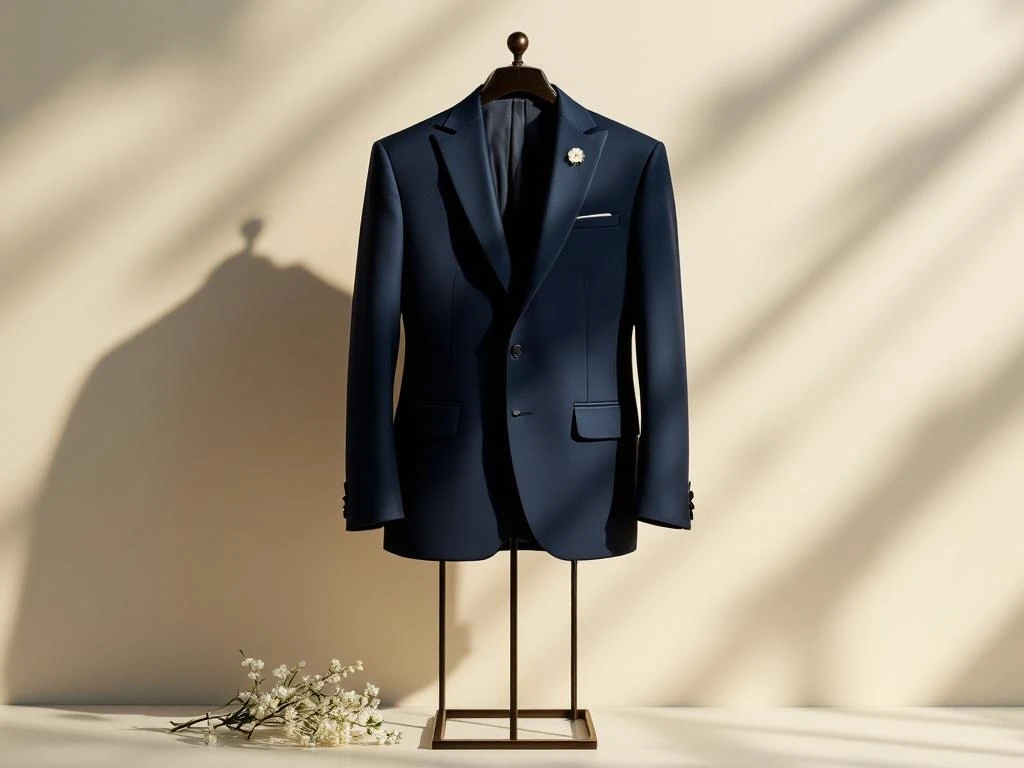
The best time to get fitted for a wedding suit is three to six months before your wedding day. This timeline gives you enough room for the creation process, multiple fittings, and any adjustments needed for the perfect fit. Made-to-measure wedding suits typically take six to eight weeks to create, so starting early prevents last-minute stress and ensures you’ll look your best on the big day.
How far in advance should you get fitted for a wedding suit?
You should book your first fitting appointment three to six months before your wedding. This timeframe works perfectly for made-to-measure groom suits because it accounts for the entire creation process plus buffer time for unexpected adjustments.
Made-to-measure suits take six to eight weeks from your initial measurements to final completion. During this period, your suit is crafted specifically for your body, with at least one fitting session to ensure everything sits exactly right. Starting three months out gives you comfortable breathing room. If you’re ordering six months ahead, you have even more flexibility to handle any changes or refinements.
This timeline differs significantly from off-the-rack options. When you buy a ready-made suit, you can walk out the same day with minor alterations completed within a week or two. However, off-the-rack suits rarely provide the same quality of fit or personalization that made-to-measure wedding suits offer. The extended timeline for custom tailoring isn’t a drawback—it’s what allows your tailor to create something perfectly suited to your body and style preferences.
Building in buffer time matters more than you might think. Weight changes, seasonal fabric availability, and wedding season demand can all affect your timeline. Starting early means you won’t feel rushed if you need extra adjustments or decide to modify design details after seeing your first fitting.
What factors affect your wedding suit fitting timeline?
Several practical considerations influence when you should start your fitting process. Weight fluctuations top the list—if you’re planning to lose or gain weight before the wedding, you’ll want to time your measurements accordingly. Getting fitted too early when you expect body changes means your suit might not fit properly by your wedding day.
Wedding season demand plays a bigger role than most people realize. Spring and summer weddings create peak periods for tailors, particularly from April through September. If your wedding falls during these busy months, book your appointment four to six months ahead rather than three. Popular wedding dates fill up quickly, and you don’t want to discover your preferred tailor can’t accommodate your timeline.
Destination weddings require extra planning time. You’ll need your suit completed with enough margin to handle any final adjustments before you travel. Add at least two to three weeks to the standard timeline if you’re getting married abroad. This cushion ensures you’re not frantically trying to fix fit issues days before departure.
The complexity of your customization choices affects timing too. Choosing from thousands of fabric options, selecting unique details, and coordinating summer wedding suits with lighter materials all take additional consultation time. If you’re ordering for a full wedding party, coordination becomes more complex and requires earlier planning.
Ordering for groomsmen alongside your own groom suit means managing multiple schedules and ensuring consistency across the wedding party. This coordination alone can add weeks to your planning timeline, particularly if you have out-of-town groomsmen who need separate appointment scheduling.
Why does made-to-measure take longer than buying off-the-rack?
Made-to-measure suits require genuine craftsmanship that simply can’t be rushed. The process begins with your initial consultation, where you select your fabric from extensive options and discuss style preferences. Your tailor takes detailed measurements—far more comprehensive than the basic chest and waist measurements used for off-the-rack sizing.
After measurements, your suit pattern is created specifically for your body. This isn’t selecting a standard size and making minor tweaks. The pattern accounts for your posture, shoulder slope, arm length, and dozens of other individual characteristics. This personalized pattern then guides the cutting of your chosen fabric.
Construction happens in the atelier using traditional tailoring techniques. Skilled craftspeople cut, stitch, and assemble your garment by hand or with specialized equipment. Quality construction takes time because each seam, lining attachment, and finishing detail receives individual attention. This is particularly important for wedding tuxedos and formal suits where construction quality shows.
The fitting sessions are where made-to-measure truly shines. You’ll try on your partially completed suit so your tailor can assess how the fabric drapes on your body and make refinements. Perhaps the shoulders need slight adjustment, or the trouser break isn’t quite right. These observations lead to modifications that transform a good fit into a perfect one.
Final adjustments and finishing complete the process. Buttonholes are created, final pressing is done, and every detail is checked for quality. This careful attention throughout the six to eight week creation period is what delivers a suit that fits better than anything you could buy off the rack. Understanding how it works helps you appreciate the craftsmanship involved in creating your perfect wedding suit.
What happens if you wait too long to get your wedding suit?
Delaying your suit fitting creates genuine problems that affect both the quality of your suit and your stress levels. Limited fabric choices become an immediate issue. Popular fabrics for wedding season sell out, particularly lighter materials perfect for summer wedding suits. You might have to settle for your second or third choice rather than the fabric you really wanted.
Rushed fittings compromise the quality of your fit. When tailors work under tight deadlines, there’s less time to perfect subtle adjustments that make the difference between a good suit and a great one. You might only get one fitting instead of the two or three that would normally refine your suit to perfection.
Reduced time for adjustments means if something isn’t quite right at your fitting, there’s limited opportunity to fix it. Maybe the jacket feels slightly tight across the shoulders, or the trouser length isn’t ideal. With proper timeline planning, these issues are easily resolved. With a rushed schedule, you might have to accept minor imperfections.
Your stress levels increase significantly when you’re cutting it close. Wedding planning already involves enough moving parts without adding worry about whether your suit will be ready in time. This anxiety can affect your enjoyment of the entire preparation process.
The most concerning scenario is needing to abandon made-to-measure entirely and settle for off-the-rack alternatives. If you wait until six weeks before your wedding, many tailors simply can’t accommodate a made-to-measure order. You’ll end up with a less personalized suit that doesn’t fit as well, which isn’t what you want for one of the most photographed days of your life.
When should your groomsmen get fitted for their suits?
Your groomsmen should get measured four to five months before the wedding. This timeline runs slightly ahead of the absolute minimum because coordinating multiple people always takes longer than managing just your own appointment. Starting earlier accounts for scheduling challenges and ensures everyone’s suits arrive with time for any needed adjustments.
Managing multiple schedules requires clear communication and firm deadlines. Set a specific date by which all groomsmen must complete their measurements, then add two weeks to that deadline when communicating with your tailor. This buffer handles the inevitable stragglers who need reminder messages or have to reschedule their appointments.
Ensuring consistency across the wedding party matters for photos and overall aesthetic. Everyone should visit the same tailor or tailoring house, use the same measurement process, and select from coordinated fabric and style options. This consistency is easier to achieve when you start the process together rather than having groomsmen trickle in over several months.
Out-of-town groomsmen present special challenges. If traveling to your tailor isn’t feasible, many tailoring houses can work with measurements taken by local tailors in their city. You’ll need to coordinate this process early and ensure the measurement instructions are followed precisely. Some tailors offer detailed measurement guides that local tailors can follow, though in-person measurement at the same location always produces the most consistent results.
Consider ordering groomsmen suits at the same time you order your groom suit. This approach simplifies coordination, ensures fabric availability for everyone, and often provides better pricing when ordering multiple suits together. It also means you’re all working on the same timeline, making it easier to schedule group fittings if needed.
Getting your wedding suit timing right removes unnecessary stress from your wedding planning. Whether you’re choosing made-to-measure wedding suits for their superior fit or coordinating an entire wedding party, starting three to six months ahead gives you the time needed for quality craftsmanship and perfect results. At Café Costume, we guide you through every step of creating your ideal wedding suit, ensuring you look and feel your best when the big day arrives. If you have questions about the process or want to learn more about our approach to wedding suits, or if you’re ready to get started, feel free to contact us to schedule your consultation.
Related Articles
- Kun je een smoking dragen zonder gilet of cummerbund?
- Gestreept pak: wanneer is het gepast en hoe draag je het?
- Wanneer moeten bruidegoms kiezen voor een marineblauw trouwpak boven zwart?
- How do you coordinate your wedding suit with your partner's dress?
- What is the difference between hanging and folding a suit?
