



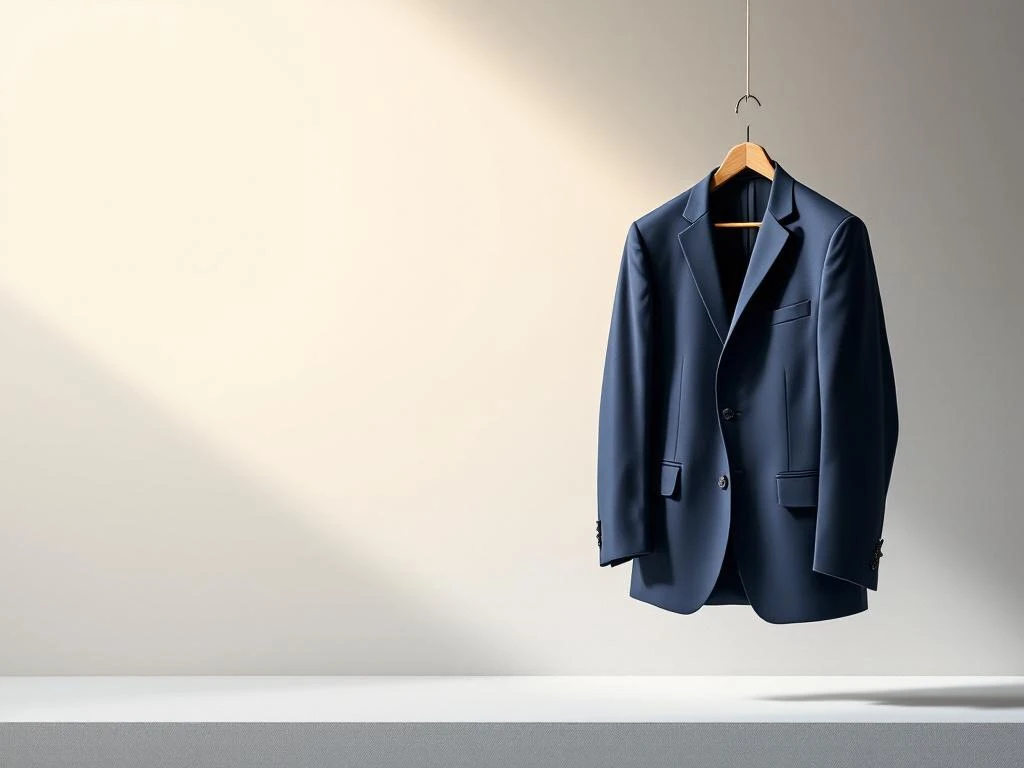
The best way to air out a suit between wears is to hang it on a wide, contoured wooden hanger in a well-ventilated area away from direct sunlight for at least 24 hours. This allows the natural fibres to release absorbed moisture and odours whilst helping the fabric recover its shape. Proper airing extends your suit’s lifespan and reduces the need for frequent suit cleaning.
Why does airing out your suit between wears actually matter?
Airing out your suit matters because wool and other suit fabrics absorb moisture from your body throughout the day, along with environmental odours and particles. When you wear a suit, it can absorb up to 30% of its weight in moisture without feeling damp. This moisture needs time to evaporate properly, or it becomes trapped in the fibres.
Wool fibres are naturally hygroscopic, meaning they attract and hold water molecules. This characteristic makes wool comfortable to wear, but it also means the fabric needs breathing time after each use. Without proper ventilation, trapped moisture creates an environment where bacteria thrive, leading to unpleasant odours and potential fabric degradation.
When you don’t allow your suit to breathe properly between wears, several problems develop. The fabric loses its natural resilience and becomes prone to wrinkles that won’t hang out. Moisture trapped in the lining and interlining can cause the layers to separate or develop mildew. The suit’s structure weakens over time, particularly around stress points like the shoulders and elbows.
Proper suit storage with adequate ventilation prevents these issues. The fabric fibres need time to release moisture and return to their natural state. This recovery period helps maintain the suit’s shape, prevents permanent creasing, and keeps the garment fresh without constant professional cleaning.
How long should you wait before wearing the same suit again?
You should wait at least 24 to 48 hours before wearing the same suit again. This timeframe gives the fabric sufficient time to release absorbed moisture and allows the fibres to recover their natural shape and structure. Most tailoring professionals recommend having at least three suits in rotation if you wear suits daily.
The 24-hour minimum works for typical office wear in moderate climates. However, you’ll need to extend this rest period to 48 hours or more if you’ve worn the suit in humid conditions, during physical activity, or for extended periods. The fabric needs additional time to fully dry and recover when it’s absorbed more moisture than usual.
Climate significantly affects how long your suit needs to rest. In humid environments, moisture evaporates more slowly, so your suit requires longer airing time. Cold weather can also impact drying time, particularly if you’re hanging the suit in an unheated room. Conversely, dry climates allow for faster moisture release.
Wearing frequency directly impacts your suit’s longevity. A suit worn daily without adequate rest will show wear patterns within months rather than years. The constant stress on fibres without recovery time leads to permanent creasing, shine on high-friction areas, and loss of the fabric’s natural body. Rotating your suits properly can extend each garment’s lifespan by several years.
What’s the proper way to hang a suit for airing out?
The proper way to hang a suit for airing out starts with using a wide, contoured wooden hanger that mimics the natural slope of your shoulders. Thin wire hangers distort the jacket’s shoulder line and create stress points that damage the fabric structure. The hanger should be at least 4-5 centimetres wide at the shoulder to distribute weight properly.
When hanging the jacket, fasten the top button to help maintain the front’s natural roll and shape. Gently smooth the shoulders over the hanger, ensuring the fabric sits naturally without bunching. The jacket should hang freely without touching walls or other garments, allowing air to circulate around the entire garment.
For trousers, use a hanger with clips or a bar that allows you to hang them upside down by the cuffs or folded over the bar at the knee crease. Hanging trousers upside down uses gravity to help release wrinkles naturally. If you fold them over a bar, ensure the crease aligns properly to maintain the sharp front pleat.
Position your suit in a well-ventilated area away from direct sunlight, which can fade colours and weaken fibres. A wardrobe with slatted doors or a dedicated dressing area works well. Avoid damp spaces like bathrooms or areas near radiators that create uneven drying. The ideal spot has consistent temperature and good air movement without being draughty.
Common hanging mistakes include overcrowding your wardrobe, which prevents air circulation, and leaving suits in garment bags immediately after wear. Breathable garment bags are useful for long-term suit storage but shouldn’t be used for daily airing. Also, avoid hanging suits on door hooks or chair backs, as these don’t support the garment’s structure properly.
How do you remove odours from a suit without washing it?
You can remove odours from a suit without washing it by using steam, proper brushing, and natural ventilation. Hang your suit in a steamy bathroom whilst you shower, allowing the steam to penetrate the fibres and release trapped odours. The moisture helps refresh the fabric without the harsh treatment of washing or dry cleaning.
A quality garment brush with natural bristles removes surface dirt and odour-causing particles that cling to wool fibres. Brush your suit after each wear using downward strokes following the fabric’s grain. This simple practice lifts away dust, dead skin cells, and other particles that contribute to stale smells.
Proper ventilation remains the most effective odour-removal method. Hang your suit in fresh air, preferably near an open window, for several hours. Outdoor airing works brilliantly on dry, breezy days, but avoid direct sunlight. The moving air carries away odour molecules whilst the fabric releases absorbed smells naturally.
Natural odour-absorbing methods include placing your suit near a bowl of white vinegar or baking soda overnight. These substances neutralise odours without leaving residue on the fabric. You can also hang sachets of activated charcoal or cedar in your wardrobe to maintain freshness between wears.
Spot cleaning addresses specific stains without full washing. Use a damp cloth with a tiny amount of mild soap for water-based stains, dabbing gently rather than rubbing. For oil-based marks, cornflour or talcum powder can absorb the oil when left on overnight and brushed away. Always test any cleaning method on an inconspicuous area first.
When steaming suits at home, maintain a distance of 15-20 centimetres between the steamer and fabric. Hold the steamer vertically and work in downward motions, allowing gravity to help smooth wrinkles. Steam refreshes the fabric and kills odour-causing bacteria without the chemical processes involved in suit cleaning.
Understanding when professional suit cleaning becomes necessary helps you balance home care with expert treatment. Most suits need professional cleaning only two to four times yearly with proper airing and maintenance. Over-cleaning damages fibres and shortens your suit’s lifespan, so reserve it for genuine stains or when home methods no longer refresh the garment adequately.
Proper suit care extends far beyond simply hanging it in your wardrobe. By allowing your suits adequate rest between wears, using appropriate hangers, and employing gentle refreshing techniques, you maintain their appearance and longevity whilst reducing cleaning costs. These practices become second nature once you understand how it works and what suit fabrics need to stay fresh. At Café Costume, we create garments designed to last generations when cared for properly, combining traditional craftsmanship with fabrics that respond beautifully to thoughtful maintenance. Whether you’re preparing for a wedding or building your professional wardrobe, understanding proper suit care ensures your investment pays dividends for years to come. To learn more about our commitment to quality craftsmanship and sustainable practices, or if you have questions about caring for your specific garment, please contact our team for personalised advice.
