



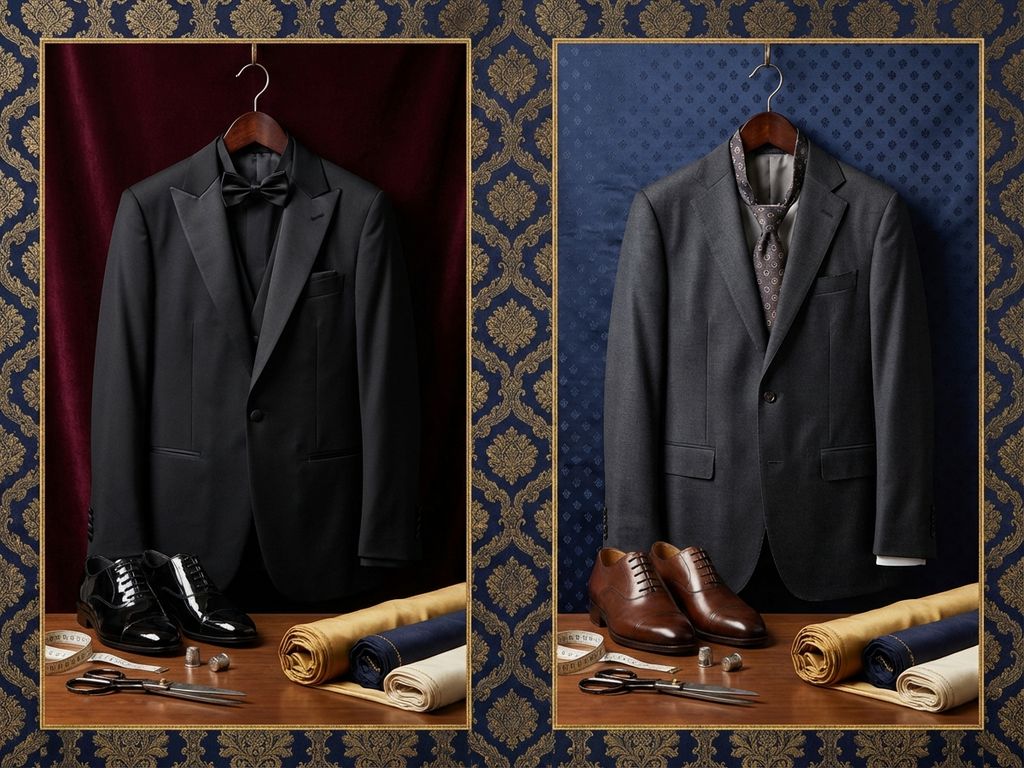
Formal wedding attire requires specific garments, fabrics, and accessories that meet traditional dress code standards, while semi-formal attire allows more flexibility in styling and fabric choices. The main difference lies in the level of structure, formality, and adherence to conventional dress rules. Understanding these distinctions helps you choose appropriate attire that respects the couple’s wishes and the venue’s expectations.
What exactly counts as formal wedding attire?
Formal wedding attire follows strict dress code guidelines that require specific garments and styling choices. For men, this means a formal wedding suit in dark colours like navy, charcoal, or black, paired with a dress shirt, tie or bow tie, and leather dress shoes. Women should wear elegant dresses or sophisticated separates that cover the shoulders and reach at least knee length.
The fabric choices for formal wedding suits lean towards premium materials like wool, wool blends, or high-quality cotton. These fabrics maintain structure and create a polished appearance throughout the celebration. Avoid casual fabrics like linen or lightweight cotton blends, which work better for semi-formal occasions.
Colour guidelines for formal attire stick to classic, muted tones. Wedding suit colours should include navy blue, charcoal grey, or black for the most appropriate formal appearance. Avoid bright colours, bold patterns, or anything that might draw attention away from the couple. Your accessories should complement rather than compete with the overall formal aesthetic.
Complete your formal look with proper accessories: leather dress shoes, a quality belt that matches your shoes, and subtle jewellery. Men should add cufflinks if wearing French cuff shirts, while women can incorporate elegant handbags and modest jewellery. The goal is to create a cohesive, respectful appearance that honours the formality of the occasion.
How is semi-formal wedding attire different from formal?
Semi-formal wedding attire offers significantly more flexibility in fabric choices, colours, and styling options compared to formal dress codes. You can choose lighter fabrics, incorporate subtle patterns, and experiment with a broader range of colours while maintaining an elegant appearance. The key difference is a more relaxed structure without sacrificing sophistication.
For semi-formal occasions, summer wedding suits in lighter fabrics become appropriate choices. Linen blends, lightweight wool, or cotton suits work well, especially for outdoor celebrations or warmer climates. These fabrics provide comfort while maintaining the polished appearance expected at weddings.
Colour options expand considerably with semi-formal dress codes. Light grey, tan, or even subtle patterns like pinstripes become acceptable choices. You might consider lighter shades that complement the season or venue, though you should still avoid anything too bright or overly casual-looking.
The styling flexibility extends to accessories and garment combinations. Men might skip the tie for a more relaxed look, or choose knit ties over silk ones. Women have more freedom in dress styles, lengths, and accessories. However, the overall appearance should still respect the celebratory nature of the wedding and avoid anything too casual or revealing.
What should you wear to a black-tie wedding versus a cocktail attire wedding?
Black-tie weddings require the highest level of formal dress, with men wearing tuxedos and women in floor-length gowns or sophisticated cocktail dresses. Cocktail attire allows for formal wedding suits instead of tuxedos and gives women more flexibility in dress length and style. The time of day and venue often determine which dress code applies.
For black-tie events, men should wear a black tuxedo with a bow tie, a formal shirt with studs, and patent leather shoes. This represents the pinnacle of formal wedding attire and leaves little room for personal interpretation. Women should choose floor-length gowns or elegant cocktail dresses in sophisticated fabrics and colours.
Cocktail attire weddings allow men to wear dark formal suits instead of tuxedos, paired with regular neckties rather than bow ties. This creates a polished appearance without the extreme formality of black-tie requirements. Women can wear knee-length or midi dresses, sophisticated separates, or shorter formal dresses.
Venue and timing provide important clues about expectations. Evening weddings in formal venues like ballrooms or historic buildings typically call for black-tie attire. Afternoon celebrations, garden parties, or less traditional venues often indicate that cocktail attire is more appropriate. When in doubt, contact the couple or wedding party for clarification rather than guessing incorrectly.
How do you choose between formal and semi-formal when the invitation isn’t clear?
When wedding invitations lack specific dress code guidance, examine the venue, timing, and celebration style for contextual clues. Formal wedding suits work well for evening ceremonies, traditional venues, or religious settings, while semi-formal attire suits afternoon celebrations, outdoor venues, or more casual locations. Consider the couple’s personal style and previous events you’ve attended together.
Venue types provide strong indicators of the expected level of attire. Hotels, country clubs, religious institutions, or historic buildings typically suggest formal dress codes. Beach locations, gardens, barns, or casual restaurants often indicate that semi-formal or even casual attire is appropriate.
Timing offers another reliable clue about dress expectations. Evening weddings starting after 6 p.m. usually require formal attire, while afternoon celebrations allow for semi-formal choices. Weekend morning or brunch weddings typically call for the most relaxed interpretation of wedding-appropriate dress.
Research the couple’s style preferences and the wedding’s overall theme. Social media posts, engagement photos, or conversations about their vision can provide helpful insights. If you’ve attended events with this couple before, consider what they wore and how they presented themselves to gauge their formality preferences.
When uncertainty remains, choose slightly more formal rather than less formal attire. You can always remove a tie or jacket to appear less formal, but you cannot add formality if you’re underdressed. Contact mutual friends attending the wedding or reach out to the couple directly if you remain unsure about appropriate attire choices.
Understanding the distinction between formal and semi-formal wedding attire helps you show proper respect for the couple’s special day while feeling confident in your appearance. Consider the venue, timing, and the couple’s preferences when making your choice, and remember that being slightly overdressed is always preferable to being underdressed.
If you’re looking for the perfect wedding suit that can work across different formality levels, we offer personalised consultations to help you find the ideal style, fabric, and fit for any wedding celebration. Our tailoring expertise ensures you’ll look your best while feeling comfortable throughout the festivities.
