



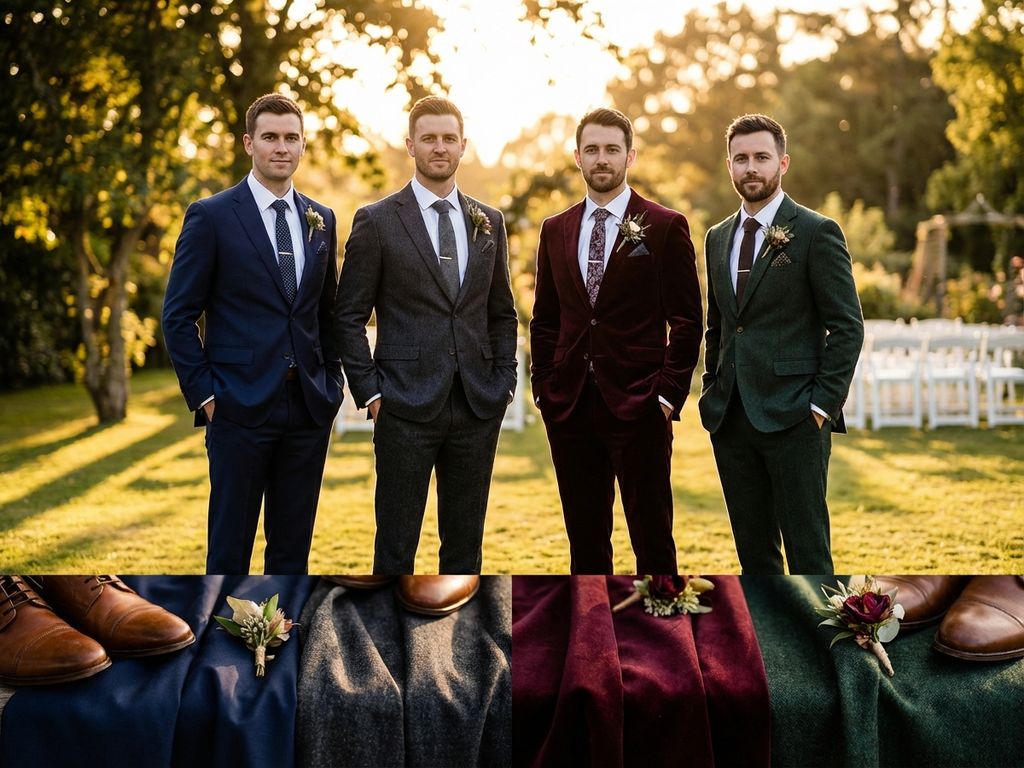
Mismatched groomsmen suits involve intentionally coordinating different suit styles, colours, or patterns instead of having all groomsmen wear identical outfits. This modern wedding trend allows couples to create a more personalised, relaxed aesthetic while maintaining visual harmony through strategic coordination. Popular approaches include varying shades of the same colour family or mixing formal and semi-formal styles to reflect individual personalities.
What exactly are mismatched groomsmen suits?
Mismatched groomsmen suits are a contemporary wedding styling approach where each groomsman wears a different suit while maintaining visual cohesion through coordinated elements. This differs from traditional matching wedding party attire, where everyone wears identical outfits.
The mismatching can take several forms. Some couples choose varying shades within the same colour family, such as having groomsmen wear different tones of blue from navy to powder blue. Others opt for completely different colours that complement the wedding palette, like pairing charcoal grey with burgundy and forest green.
Pattern mixing represents another popular approach. You might combine solid-coloured suits with subtle pinstripes or checks, or mix different textures like wool and linen while keeping colours consistent. Some couples take the concept further by mixing formal and casual styles, pairing traditional three-piece suits with more relaxed blazer combinations.
The key distinction from traditional wedding attire lies in the intentional variety. Rather than achieving uniformity through identical garments, mismatched suits create harmony through thoughtful coordination of complementary elements like colour palette, fabric weight, and accessory choices.
Why are couples choosing mismatched looks for their groomsmen?
Couples choose mismatched groomsmen suits primarily for personalisation and practicality. This approach allows each groomsman to express their individual style while creating a more relaxed, modern wedding aesthetic that reflects contemporary values around individuality and comfort.
Personal expression ranks as the top motivation. Many couples want their wedding party to feel authentic rather than uniform. Mismatched suits allow groomsmen to choose styles that flatter their body types and reflect their personalities while still contributing to the overall wedding vision.
Budget flexibility provides another significant advantage. Groomsmen can choose suits within their individual price ranges or select pieces they will actually wear again after the wedding. This removes the pressure of everyone purchasing identical, potentially expensive formal wedding suits that may not suit their lifestyle or wardrobe needs.
Body type accommodation makes mismatched suits particularly practical. Different cuts and styles work better for different physiques. One groomsman might look excellent in a slim-fit navy suit, while another feels more comfortable and confident in a classic-fit charcoal option.
The aesthetic appeal of mismatched suits creates visual interest in wedding photography and reflects a more casual, approachable wedding style. Many couples find this look feels more genuine and less formal than traditional matching arrangements, particularly for outdoor or relaxed wedding settings.
How do you coordinate mismatched groomsmen suits without looking messy?
Successful coordination of mismatched groomsmen suits relies on establishing unifying elements while maintaining intentional variety. The key involves choosing one or two consistent factors like colour palette, accessories, or formality level to create visual harmony across different suit styles.
Colour coordination provides the most effective unifying strategy. Choose a cohesive colour palette of three to four complementary shades. For example, you might use various blues (navy, slate, powder) or earth tones (charcoal, brown, olive). Each groomsman selects a different shade within this palette while maintaining the overall colour story.
Accessory consistency offers another coordination method. Have all groomsmen wear identical ties, pocket squares, or boutonnieres while their suit colours vary. Alternatively, coordinate shoe colours or styles to create visual connection across different outfits.
Fabric texture coordination works particularly well for summer wedding suits. Choose suits in similar fabric weights or textures, such as all linen or all cotton blends, while varying the colours. This creates subtle visual harmony through consistent material properties.
Formality level matching prevents the look from appearing disjointed. Ensure all groomsmen choose suits of similar formality—either all formal wedding suits or all semi-formal options. Mixing black-tie formal with casual blazers typically creates visual confusion rather than intentional coordination.
Consider the groom’s outfit as an anchor point. His suit should complement but stand out slightly from the groomsmen’s choices, often through a different shade within the same colour family or a unique accessory detail.
What are the most popular ways to mismatch groomsmen attire?
The most popular mismatching approaches include ombré colour progression, pattern mixing with consistent base colours, and seasonal coordination. These methods create visual interest while maintaining the cohesive appearance important for wedding photography and overall aesthetic harmony.
Ombré colour schemes represent the most widely adopted approach. This involves arranging groomsmen in graduated shades of the same colour family, from lightest to darkest. Popular combinations include various blues (powder, sky, navy, midnight) or greys (light grey, charcoal, slate, black).
Pattern and texture mixing offers sophisticated variation. Combine solid suits with subtle patterns like pinstripes, windowpane checks, or herringbone while maintaining consistent base colours. This approach works particularly well with neutral wedding suit colours like grey, navy, or brown.
Seasonal coordination adapts the mismatched concept to wedding timing. Summer wedding suits might feature different lightweight fabrics in complementary colours—linen in cream, cotton in light blue, and seersucker in pale grey. Winter weddings could combine various wool textures in deeper shades.
Formal–casual mixing pairs traditional formal wedding suits with more relaxed options. One groomsman might wear a complete three-piece suit, while another chooses a blazer with dress trousers. This approach requires careful balance to avoid looking accidentally mismatched.
Theme-based coordination allows couples to reflect wedding themes through varied suit choices. Beach weddings might feature different shades of blue and tan, while rustic celebrations could incorporate earth tones and varied textures like tweed and corduroy.
How do mismatched suits affect wedding photography and overall aesthetics?
Mismatched groomsmen suits create dynamic visual interest in wedding photography while requiring careful consideration of composition and colour balance. When executed well, they enhance the overall wedding aesthetic by adding depth and personality to formal group photographs.
Photographic composition benefits from the varied visual elements mismatched suits provide. Different colours and textures create natural focal points and prevent the flat, uniform appearance that sometimes occurs with identical outfits. This variation helps individual personalities shine through in group photographs.
Colour harmony becomes particularly important in photography. Mismatched suits photograph best when the colour palette complements the wedding’s overall scheme and venue colours. Consider how the chosen suit colours will appear against your ceremony and reception backdrops.
Lighting considerations affect how mismatched suits appear in photographs. Different fabric colours and textures reflect light differently, which can create interesting visual effects but may require photographer awareness for optimal results. Discuss your mismatched suit plan with your photographer during planning.
The arrangement of groomsmen in photographs requires thoughtful positioning. Alternate lighter and darker suits to create visual balance, or arrange them in colour progression for ombré effects. Avoid clustering similar colours together unless creating intentional groupings.
Seasonal lighting affects how wedding suit colours appear in photographs. Summer wedding suits in lighter colours photograph beautifully in natural outdoor lighting, while formal wedding suits in deeper shades work well for indoor or evening celebrations.
Consider the bride’s dress when planning mismatched groomsmen suits. The varied colours should complement rather than compete with the bridal gown. Neutral or muted tones typically photograph well alongside white or ivory dresses.
When planning your wedding attire, whether matched or mismatched, we understand the importance of creating the perfect look for your special day. Our wedding suit tailoring service offers personalised consultations to help you coordinate groomsmen outfits that reflect your vision while ensuring everyone looks and feels their best. From light summer fabrics to formal evening wear, we will help you create a cohesive yet individual aesthetic that photographs beautifully and celebrates your unique style.
