



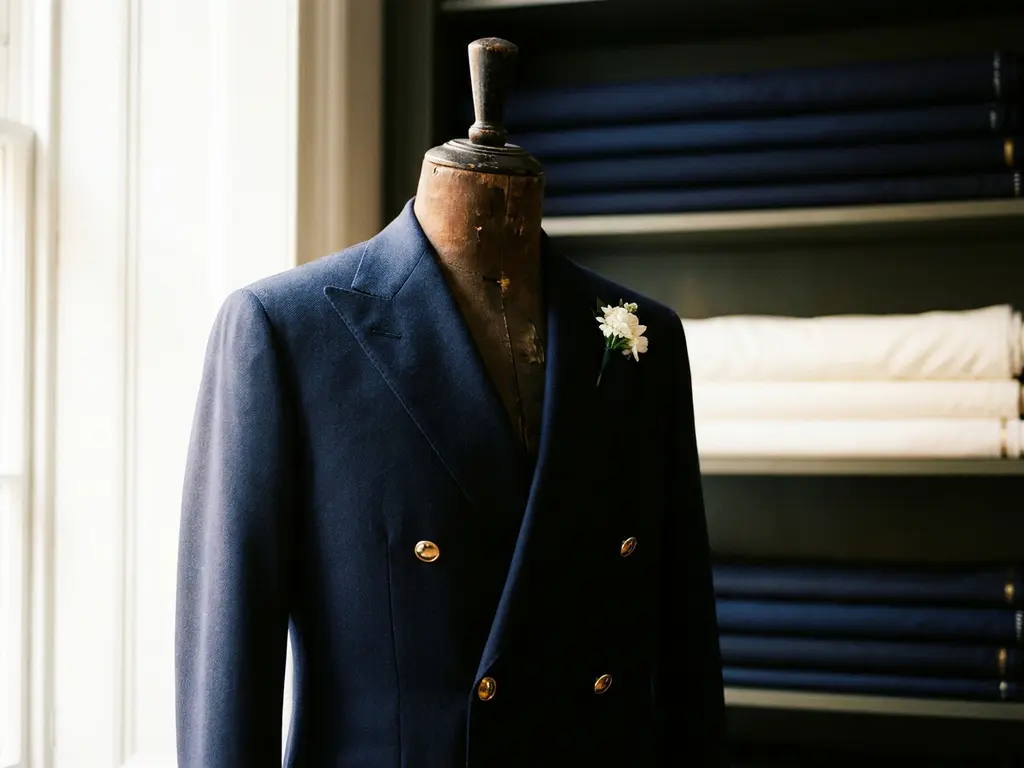
Double-breasted wedding suits offer grooms a distinguished, structured alternative to traditional single-breasted jackets. These formal suits feature overlapping front panels with two parallel columns of buttons, creating a more commanding and vintage-inspired silhouette. Many grooms choose this style for its timeless elegance, flattering fit on taller frames, and ability to stand out while maintaining classic sophistication for their special day.
What exactly is a double-breasted wedding suit and how is it different?
A double-breasted wedding suit features a jacket with overlapping front panels and two parallel rows of buttons, creating a wider lapel and a more structured appearance than single-breasted alternatives. The jacket typically has four to six buttons on the front, though usually only the bottom buttons fasten, while the top buttons remain decorative.
The most noticeable difference lies in the jacket’s construction. Whereas single-breasted suits have a simple front closure with one row of buttons, double-breasted designs create overlapping fabric panels that extend across the chest. This construction naturally broadens the torso and creates a more formal, commanding presence.
The lapels on double-breasted wedding suits are typically wider and more prominent, often featuring peak lapels rather than the notched lapels common on single-breasted jackets. This creates a more dramatic V-shape that draws attention upward towards the face and shoulders.
Another key distinction is the button stance. Double-breasted suits usually feature a higher button closure, which creates a longer, unbroken line down the torso. This higher fastening point also means the jacket should always remain buttoned when standing, unlike single-breasted suits where unbuttoning is acceptable in more casual moments.
Why are double-breasted suits making a comeback for weddings?
Double-breasted wedding suits are experiencing renewed popularity due to the current trend towards vintage-inspired formalwear and grooms’ desire for distinctive, memorable looks. Modern tailoring has refined the fit to be less bulky than traditional versions, making them more accessible to contemporary tastes while maintaining their classic appeal.
Celebrity influence has played a significant role in this revival. High-profile grooms and red-carpet appearances have showcased how double-breasted suits create sophisticated, camera-ready looks that photograph beautifully. This visibility has inspired couples planning their own weddings to consider more distinctive formalwear options.
The appeal also stems from couples seeking to differentiate their weddings from others. As wedding photography emphasises unique personal style, grooms are moving beyond safe, traditional choices towards pieces that reflect personality while maintaining appropriate formality.
Additionally, the rise of vintage and heritage-inspired wedding themes has created natural opportunities for double-breasted suits. These styles complement art deco venues, classic cars, and period-inspired celebrations where traditional elegance takes centre stage.
Modern fabric choices and contemporary tailoring techniques have also made double-breasted suits more comfortable and flattering than their historical counterparts. Today’s versions offer better movement and a more refined silhouette that works for various body types.
What body types work best with double-breasted wedding suits?
Double-breasted wedding suits work best on taller, leaner frames, as the overlapping panels and structured design can add visual bulk to the torso. Men with athletic builds or naturally broad shoulders often find this style particularly flattering, as it balances their proportions while creating an impressive silhouette.
The style particularly suits grooms who are 5’10” or taller, as the vertical lines and structured construction complement longer torsos. The higher button stance creates an unbroken line that emphasises height, making it an excellent choice for those wanting to appear taller and more commanding.
Slimmer builds benefit significantly from double-breasted construction because the overlapping fabric adds visual weight and presence to the chest area. The wider lapels also broaden the shoulder line, creating a more substantial appearance without requiring padding or extreme tailoring.
For shorter or stockier builds, double-breasted suits require careful consideration. The additional fabric and horizontal lines can overwhelm smaller frames or add unwanted bulk. However, modern tailoring techniques can adapt the proportions – using narrower lapels, adjusting button placement, and ensuring proper fit through the waist can make this style work for various body types.
The key lies in precise tailoring. The jacket must fit snugly through the waist to avoid a boxy appearance, while ensuring the chest and shoulders have adequate room for comfort and movement. Proper trouser proportions also matter – the trousers should complement the jacket’s structured appearance without competing for attention.
How do you style a double-breasted wedding suit properly?
Double-breasted wedding suits require specific styling rules to achieve the proper formal appearance. The jacket should always remain buttoned when standing, the shirt should be crisp and well fitted, and accessories should complement rather than compete with the suit’s inherent structure and presence.
The most important rule involves the jacket closure. Unlike single-breasted suits, double-breasted jackets must stay buttoned when standing or walking. Unbuttoning should only occur when seated, and you should rebutton immediately upon standing. This maintains the intended silhouette and prevents the jacket from appearing oversized or sloppy.
Shirt selection requires attention to collar style and fit. A spread or semi-spread collar works best with the wider lapels, providing proper proportion and framing for ties or bow ties. The shirt should fit closely through the torso to avoid bunching under the structured jacket.
Tie choices should complement the formal nature of double-breasted suits. Classic silk ties in solid colours or subtle patterns work well, while bow ties create an especially elegant pairing for evening weddings. The tie width should be proportionate to the lapel width – typically 3 to 3.5 inches for most double-breasted styles.
Pocket squares add sophistication but require restraint. Choose colours that complement rather than match your tie exactly, and opt for simple folds that don’t compete with the jacket’s structured lines. Avoid overly elaborate folds or bright colours that might overwhelm the classic aesthetic.
Common styling mistakes include choosing shirts that are too loose, unbuttoning the jacket inappropriately, or selecting accessories that clash with the formal nature of the suit. Remember that double-breasted wedding suits make a statement on their own – your accessories should enhance rather than overshadow this classic style.
When selecting wedding suits, consider how double-breasted styles complement different wedding settings. Formal wedding suits work beautifully for traditional ceremonies, while summer wedding suits in lighter fabrics can adapt this classic style for warmer celebrations. The key is choosing appropriate wedding suit colours – navy, charcoal, and classic black remain timeless choices that photograph beautifully and suit various wedding themes.
At Café Costume, we understand that your wedding day deserves exceptional attention to detail. Our wedding suit tailoring service offers personalised consultation to help you achieve the perfect double-breasted look, whether you’re planning an outdoor celebration requiring lighter fabrics or a formal ceremony demanding supreme traditional elegance. We’ll guide you through fabric selection, fit refinement, and styling choices to ensure you look and feel confident on your special day.
