



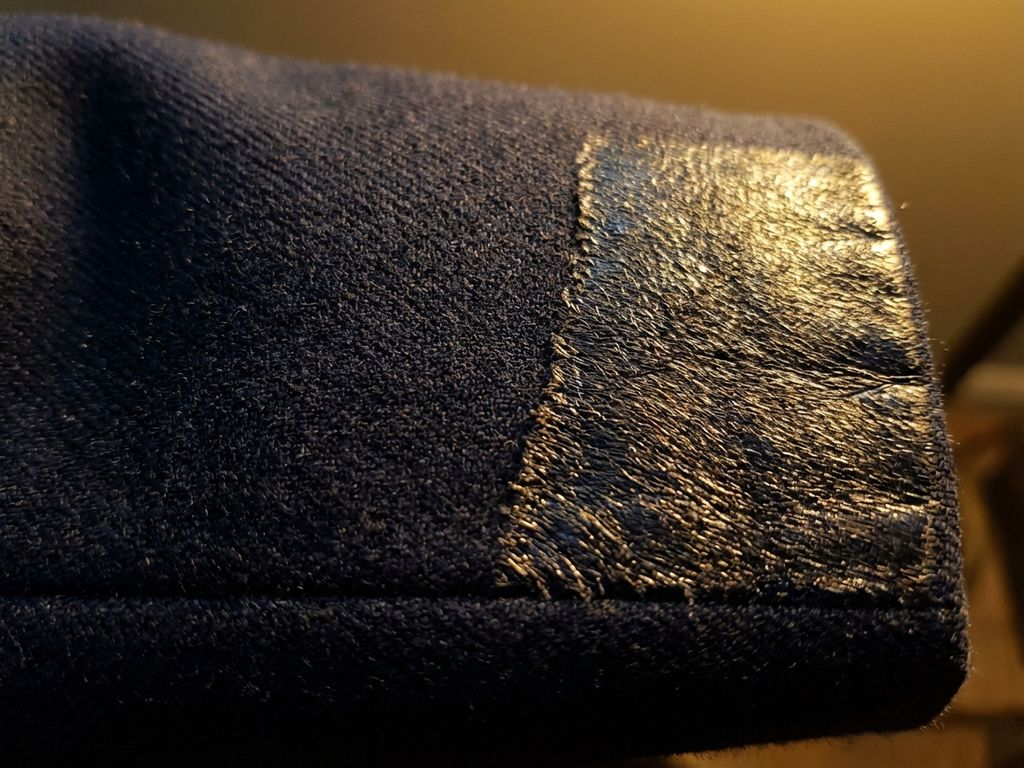
Suit sleeves develop shine at the cuffs due to repeated friction and pressure that flatten fabric fibres and create reflective surfaces. This common wear pattern occurs when sleeves rub against desks, tables, and other surfaces during daily activities. The shine appears because the fabric’s natural texture becomes compressed, reflecting light differently from the surrounding material. Understanding the causes helps you protect your investment and maintain your suit’s professional appearance.
What causes suit sleeves to develop that shiny appearance at the cuffs?
The shiny appearance on suit sleeve cuffs develops when friction and pressure break down fabric fibres and flatten the weave structure. This creates smooth, reflective surfaces that catch light differently from the original fabric texture. The process happens gradually through normal wear as your sleeves make contact with various surfaces throughout the day.
When you rest your arms on desks, tables, or armrests, the constant rubbing action compresses the fabric fibres. Natural wool has a scaled structure that gives it texture and depth. Repeated pressure flattens these scales, creating a smooth surface that reflects light rather than absorbing it as the original weave does.
The friction also causes individual fibres to break and separate from the main weave. These loose fibres lie flat against the fabric surface, contributing to the glossy appearance. Areas that experience the most contact develop shine first, which explains why cuffs are particularly vulnerable.
Heat from your body and the surfaces you touch accelerates this process. Warm temperatures make fibres more pliable and susceptible to permanent deformation. Combined with moisture from perspiration, these conditions create an environment in which the fabric structure changes more rapidly.
Proper suit care starts with understanding these mechanical processes. The shine is not just cosmetic damage but actual structural change to your garment’s fabric that affects both appearance and longevity.
Why do some suit fabrics shine more easily than others?
Fabric composition and construction determine shine susceptibility, with synthetic blends and tightly woven materials showing wear more quickly than pure wool fabrics. Wool blends containing polyester or other synthetic fibres develop shine faster because synthetic materials have smoother surfaces that reflect light more readily when compressed.
Pure wool fabrics resist shine better due to their natural fibre structure. Wool fibres have microscopic scales that create texture and depth, making shine less noticeable even when some flattening occurs. Higher-quality wool with longer fibres maintains its structure better under stress, providing superior durability.
Weave type significantly impacts shine resistance. Looser weaves like twill patterns allow fibres more movement and recovery space, while tight weaves compress more easily under pressure. Fabric weight also matters – heavier fabrics typically resist deformation better than lightweight materials.
The finishing processes applied during manufacturing affect shine tendency. Fabrics with heavy pressing or chemical treatments may already have compressed fibres, making them more susceptible to further flattening. Natural finishes preserve fibre structure and provide better long-term appearance retention.
Understanding these characteristics helps when selecting suits for different purposes. If you spend considerable time at a desk, choosing fabrics known for durability becomes an important aspect of suit maintenance planning.
How can you prevent your suit sleeves from developing shine?
Rotation and protective measures are your best defence against sleeve shine. Avoid wearing the same suit on consecutive days, allowing fabric fibres time to recover their natural structure. Rotating between multiple suits significantly extends each garment’s lifespan and maintains appearance quality.
Modify your daily habits to reduce friction contact. When possible, avoid resting your arms directly on rough surfaces like concrete, brick, or heavily textured materials. Use armrests with smooth surfaces or place a cloth barrier between your sleeves and contact points.
Proper storage supports fabric recovery between wears. Hang suits on quality wooden hangers that support the jacket’s shape. Allow air circulation around garments and avoid cramped wardrobes where fabrics might rub against each other.
Regular professional cleaning removes oils and debris that can accelerate fibre breakdown. However, limit dry-cleaning frequency, as excessive chemical exposure weakens fabric structure. Spot-cleaning minor stains helps maintain freshness without full processing.
Consider sleeve protectors for high-wear situations. Some professionals use removable cuff guards during intensive desk work. While not always practical, these accessories can preserve expensive suits in demanding environments.
Daily garment care includes gentle brushing with a soft-bristled clothes brush. This removes surface debris and helps restore fibre alignment, maintaining the fabric’s natural texture and appearance.
What should you do if your suit sleeves already have shine?
Professional steam pressing offers the most effective treatment for existing shine, as controlled moisture and heat can help restore flattened fibres to their original position. However, success depends on the severity of the damage and fabric type. Light shine often responds well to professional treatment.
At home, you can attempt gentle steam treatment using a garment steamer or an iron with a steam function. Hold the steamer several inches away from the fabric and work in short bursts. The moisture and heat may help fibres regain some of their original texture.
A soft-bristled clothes brush can help after steaming. Gently brush the affected area in circular motions while the fabric is slightly damp. This encourages fibres to lift and return to their natural position. Allow the garment to dry completely before wearing.
White vinegar solutions sometimes help with light shine. Mix equal parts white vinegar and water, apply lightly with a clean cloth, then steam gently. The acid can help break down residue that contributes to the shiny appearance. Test this method on an inconspicuous area first.
For severe shine that does not respond to home treatment, consult a professional tailor or specialist suit cleaning service. They have access to specialised equipment and techniques that may salvage damaged areas. In some cases, they might recommend replacing affected sections.
Prevention remains more effective than treatment. Once the fabric structure changes significantly, complete restoration becomes difficult. Regular maintenance and protective habits preserve your investment better than attempting repairs after damage occurs.
Understanding shine development helps you maintain your suits’ professional appearance throughout their lifespan. Proper care, rotation, and protective habits preserve fabric integrity, while professional treatment can address minor shine issues. When selecting new suits, consider fabric composition and your wearing patterns to choose garments that will serve you well over time. At Café Costume, we understand the importance of both quality fabrics and proper care guidance, ensuring your tailored garments maintain their exceptional appearance for years to come.
