



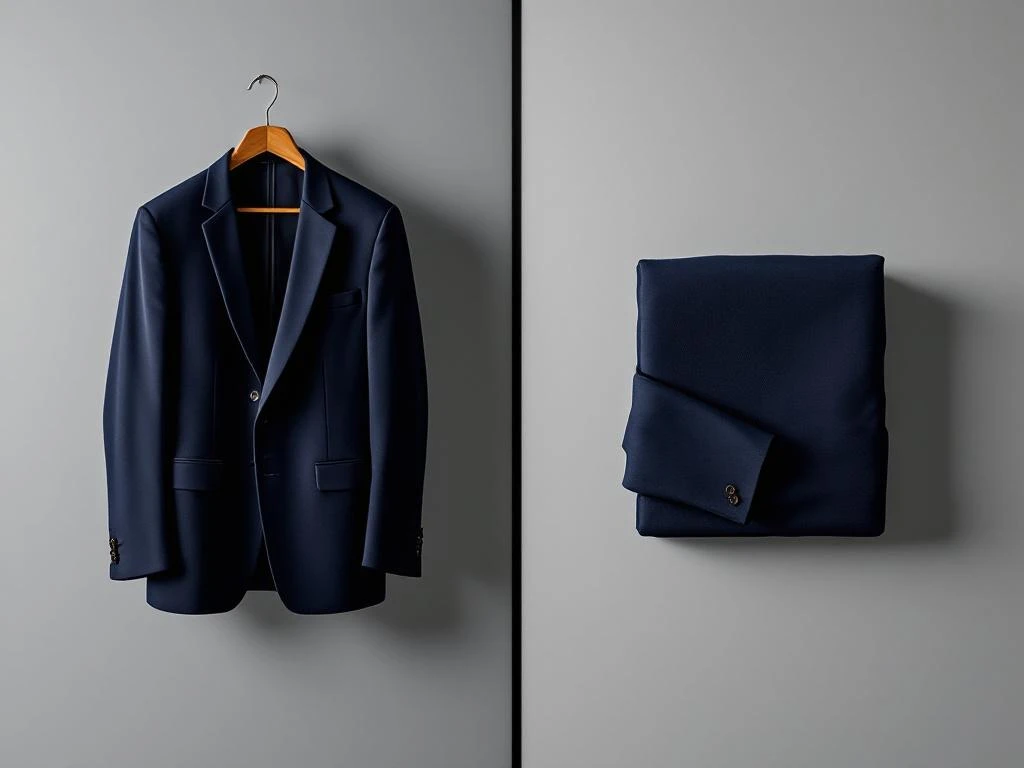
Hanging and folding are two fundamentally different suit storage methods that affect your garment’s longevity and appearance. Hanging uses gravity to maintain shape and minimise wrinkles, distributing weight from the shoulders, whilst folding compresses fabric into a compact form, creating temporary creases. Each method suits different situations, from daily wardrobe organisation to travel packing. Understanding when and how to use each approach helps you maintain your suit’s structure and fabric quality.
What is the difference between hanging and folding a suit?
When you hang a suit, gravity pulls the fabric downwards, keeping it naturally extended and allowing the garment to maintain its intended shape. The weight distributes through the shoulders of the jacket and along the trouser waistband or crease line. This method keeps the fabric relaxed and prevents compression wrinkles from forming.
Folding, by contrast, requires you to bend the fabric at specific points, creating intentional creases. You compress the suit into a smaller space, which puts stress on the fabric at fold lines. The jacket’s shoulders, lapels, and body all bend in ways they weren’t designed for, whilst trousers fold along lines that may not align with their natural crease.
The key difference lies in fabric tension and stress distribution. Hanging allows fibres to relax naturally, whilst folding creates concentrated pressure points where the fabric bends. Both methods work for suit storage, but they serve different purposes and produce different results for your garment’s condition.
When should you hang a suit versus folding it?
Hang your suit whenever you have wardrobe space available and plan to wear it within the next few weeks. This applies to your everyday rotation of business suits, formal wear you’ll need soon, and any garment you’ve just worn that needs to air out before suit cleaning. Hanging works best for home storage where you have proper wardrobe facilities.
You should fold your suit when travelling, whether for a wedding trip or business journey. Folding becomes necessary when wardrobe space isn’t available or when you need to store suits seasonally in boxes or drawers. If you’re packing for a flight or keeping a spare suit at the office, proper folding techniques let you transport your garment without damage.
For seasonal storage, you can use either method depending on available space. Hanging suits in garment bags works well if you have wardrobe room, whilst folding with tissue paper suits those using storage boxes. The storage duration matters less than protecting the suit from dust, moths, and humidity regardless of which method you choose.
How does hanging affect your suit’s shape and fabric?
Proper hanging maintains your suit’s shoulder structure, keeps lapels lying flat, and preserves trouser creases exactly as intended. The jacket’s canvas interlining stays properly positioned, and the fabric drapes naturally without unwanted wrinkles. Your suit essentially rests in its natural state, which helps it recover from the compression and movement of wearing.
However, improper hanging causes significant problems. Wire hangers create shoulder dimples and distort the jacket’s shape. Hanging trousers by the hem stretches the fabric and can pull the knee area out of shape. Overcrowded wardrobes crush suits together, creating wrinkles despite hanging.
You need proper wooden or padded hangers that match your jacket’s shoulder width. Hang trousers by the waistband using clip hangers or fold them over a bar at the natural crease. Give each suit enough space to hang freely without touching neighbouring garments. These simple practices let hanging preserve rather than damage your suit’s structure.
What’s the right way to fold a suit without damaging it?
Start with your jacket laid face-down on a clean, flat surface. Fold one shoulder inside-out, then tuck the other shoulder into it, creating a packet where the shoulders nest together. Fold the jacket in half lengthwise, then fold it once or twice widthwise depending on your packing space. This method protects the lapels and minimises creasing across the chest and back.
For trousers, lay them flat and fold along the existing crease line. Fold them in half or thirds depending on your bag size. Place tissue paper or a thin cotton cloth between fabric layers to reduce friction and wrinkle formation.
When packing for travel, place your folded jacket at the top of your luggage where other items won’t crush it. Pack trousers alongside or beneath, but avoid placing heavy items on top. This approach to how to fold a suit minimises damage whilst keeping your garment compact.
Once you arrive, hang your suit immediately in a bathroom whilst you shower. The steam helps release minor wrinkles without requiring professional suit cleaning. This quick step restores much of your suit’s appearance after travel.
Does the quality of your suit change which storage method you should use?
Higher-quality suits with full canvas construction and premium fabrics benefit more from hanging because they’re designed to maintain shape through proper draping. The internal structure of a well-made suit works with gravity to preserve the garment’s form. Made-to-measure suits, with their precise fit and superior construction, particularly respond well to hanging storage.
Lighter-weight suits and those made from delicate fabrics like linen or lightweight wool need gentler handling. These benefit from hanging to avoid compression wrinkles that are harder to remove. Heavier fabrics like thick wool or tweed tolerate folding better because their density resists creasing.
That said, you can fold any quality suit when necessary using proper techniques. The difference is that investment pieces recover better from hanging and may show folding stress more noticeably. Off-the-rack suits with fused construction tolerate both methods reasonably well, though hanging remains preferable for maintaining their shape over time.
Your suit storage approach should match how you use the garment. Daily-wear suits deserve hanging space in your wardrobe, whilst travel or backup suits need proper folding skills. Quality matters less than using the right method for each situation and following proper techniques regardless of which approach you choose.
Taking care of your suits through appropriate storage extends their life and keeps them looking sharp. Whether you’re organising your wardrobe at home or preparing for a business trip, understanding these storage methods helps you maintain your garments properly. At Café Costume, we create suits built to last with quality construction that responds well to proper care. Learn more about our craftsmanship and how it works, or visit one of our Belgian boutiques to discover made-to-measure suits crafted with the attention to detail that makes storage and maintenance worthwhile. Feel free to contact us for personalised advice on caring for your investment pieces.
