



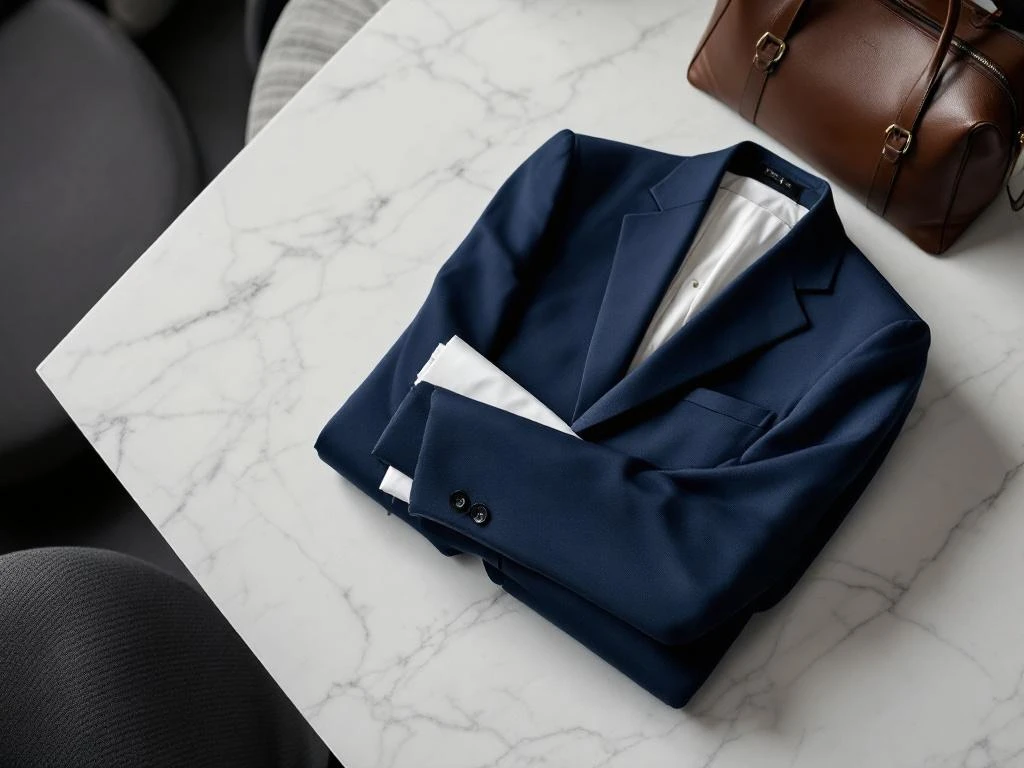
You’ve invested in a quality suit, and the last thing you want is to arrive at your destination looking like you’ve slept in it. Whether you’re heading to a wedding, an important business meeting, or a special event, knowing how to fold a suit properly makes all the difference between looking polished and looking dishevelled. The good news? With the right technique, you can pack your suit in a standard suitcase and still maintain that crisp, professional appearance. This guide walks you through five straightforward steps that protect your suit’s fabric, minimise creases, and ensure you always look your best when you unpack.
1. Empty all pockets and prepare your suit
Before you even think about folding, take a moment to check every single pocket in both your jacket and trousers. Wallets, phones, receipts, coins, and business cards all create unwanted bulges and pressure points that translate directly into creases and wrinkles during travel. These items can also damage the suit’s fabric or lining if they shift around in your luggage.
Run your hands through the inside breast pockets, side pockets, and ticket pockets on your jacket. Don’t forget to check both back and front pockets on your trousers. Once everything’s removed, give your suit a quick brush to remove any lint or dust. This is also the perfect time to fasten all the buttons on your jacket, which helps maintain its structure during folding and prevents the fabric from bunching awkwardly.
Taking these few extra minutes at the start sets you up for success with the rest of the folding process. A properly prepared suit folds more smoothly and maintains its shape better throughout your journey.
2. Turn the jacket inside out for protection
This technique might seem counterintuitive at first, but turning your jacket inside out is genuinely one of the best ways to protect the exterior fabric from friction, pressure, and visible creasing. The inside-out method creates a protective buffer that keeps the outer surface, the part everyone sees, looking pristine.
Here’s how to do it: reach inside one shoulder of your jacket and gently turn it inside out. Then, take the other shoulder and tuck it into the inverted shoulder, creating a sort of pocket where one shoulder nestles inside the other. The jacket’s lining now faces outward, whilst the exterior fabric is protected on the inside. This clever folding technique means that any creases that do form during travel will appear on the lining rather than the visible outer fabric.
The beauty of this method lies in its simplicity. You’re essentially letting the jacket protect itself, using its own structure and padding to cushion the delicate outer material. This approach works particularly well with wool suits, which are more prone to showing creases than synthetic blends.
3. Fold the jacket vertically down the centre
Now that your jacket is inside out with the shoulders tucked together, it’s time to create the main fold. Lay the jacket on a flat surface, such as a bed or table, and identify the natural centre line that runs down the back. This is where you’ll make your fold.
Bring one side of the jacket across to meet the other, folding it lengthwise along that centre seam. As you fold, use your hands to smooth the fabric gently, working from the shoulders down to the hem. This smoothing motion helps eliminate any air pockets or bunching that could turn into wrinkles. Pay special attention to ensuring the lapels align correctly and lie flat against each other. The sleeves should naturally fall into place along the body of the jacket.
If you’re working with a longer jacket or have limited suitcase space, you might need to fold it once more horizontally. When doing this, fold from the bottom up towards the shoulders rather than the other way around. This places less stress on the structured shoulder area, which is the most important part of your jacket’s silhouette.
4. Layer trousers strategically to avoid creases
Your suit trousers deserve just as much attention as your jacket when it comes to proper folding. The key here is to work with the garment’s natural creases rather than against them. Hold your trousers by the waistband and give them a good shake to release any existing wrinkles.
Lay the trousers flat and align the inner and outer leg seams so they’re perfectly matched. This alignment is important because it ensures you’re folding along the existing crease lines that are already pressed into the fabric. Depending on your suitcase size, you can either fold the trousers once at the knee or twice for a more compact package. A single fold typically results in fewer creases, but if space is tight, a double fold works perfectly well.
When it comes to layering your trousers with your jacket, you have options. Some travellers prefer to lay the trousers flat in the suitcase first, then place the folded jacket on top. Others find success by wrapping the trousers around the folded jacket. Experiment with both methods to see which works best for your particular suitcase and suit combination. The goal is to create a relatively flat, even package that won’t shift too much during travel.
5. Place your folded suit in a garment bag
The final step involves protecting your carefully folded suit with an additional layer. A breathable garment bag or even a large plastic dry cleaning bag provides a barrier between your suit and other items in your luggage. This extra protection prevents other belongings from pressing directly against the suit fabric and creating unwanted creases.
When positioning your folded suit in your suitcase, think strategically about weight distribution. Place heavier items, such as shoes and toiletries, at the bottom of your case, near the wheels. Your suit should go towards the top, where it experiences less pressure. If you’re packing multiple suits or formal wear, consider placing tissue paper between the folds to maintain separation and reduce friction between fabric layers.
Another useful trick involves those thin plastic bags from the dry cleaners. Whilst you shouldn’t store suits in these long-term (they trap moisture), they’re brilliant for travel. The slippery surface allows fabric to glide rather than grip, which means fewer wrinkles form during transit. Just remember to remove the plastic as soon as you arrive at your destination to allow the fabric to breathe.
Keep your suit looking sharp wherever you travel
Mastering how to fold a suit properly transforms your travel experience. You’ll no longer worry about arriving at important events looking rumpled or needing to find emergency pressing services. These five steps, whilst straightforward, make a real difference in maintaining your professional appearance on the road.
Once you reach your destination, unpack your suit immediately and hang it in the bathroom whilst you shower. The steam helps release any minor creases that formed during travel. For stubborn wrinkles, a handheld steamer is worth its weight in gold for frequent travellers. Remember that proper suit maintenance, including regular suit cleaning and thoughtful suit storage, extends the life of your garments significantly.
Quality construction also plays a role in how well suits travel. Well-made garments with proper canvas interlining and quality fabrics bounce back from folding more readily than poorly constructed alternatives. At Café Costume, we craft made-to-measure suits with travel resilience in mind. Our attention to construction details means your suit maintains its shape and structure, even when you’re packing it for your next adventure.
Now that you know exactly how to fold a suit, which destination will you pack for first? If you have any questions about suit care or would like to learn more about our tailoring process, feel free to contact us. You can also discover more about our commitment to quality craftsmanship and explore our full range of services on our company info page.
