



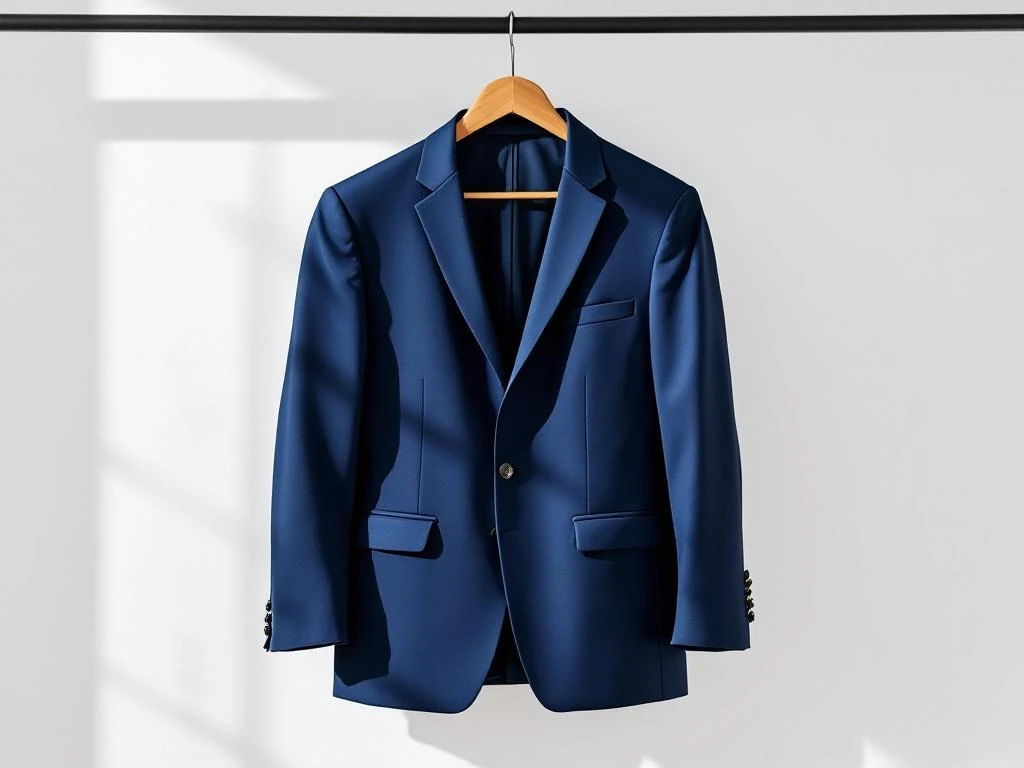
Most tailors recommend waiting to press your suit until after alterations are complete. Pressing before alterations can affect fabric tension and measurement accuracy, making it harder for tailors to achieve the perfect fit. However, certain situations, like heavily wrinkled garments, may require pre-alteration pressing. Understanding how suit pressing timing affects different fabrics helps you make the right decision for your specific situation.
What’s the difference between pressing a suit before and after alterations?
Pressing before alterations can alter fabric behavior and compromise fitting accuracy, while pressing afterward ensures the final garment maintains its intended shape and measurements. When you press a suit before alterations, heat and steam can change how the fabric drapes and sits on your body, potentially affecting the tailor’s ability to make precise adjustments.
The pressing process involves applying heat, moisture, and pressure to fabric fibers. This combination can cause fabrics to shrink slightly, stretch, or change their natural drape characteristics. When a tailor measures you for alterations on an unpressed garment, they’re working with the fabric in its most natural state. If you press the suit afterward, these subtle changes in fabric behavior can throw off the carefully calculated measurements.
Heat and steam particularly affect how fabric responds to manipulation during the alteration process. Wool fibers, for instance, become more pliable when exposed to moisture and heat, which means they may behave differently during pinning and measuring sessions. Cotton and linen fabrics can experience slight shrinkage during pressing, while synthetic blends may develop different stretch characteristics.
The timing of suit pressing also impacts seam placement accuracy. Tailors rely on consistent fabric behavior when marking alteration points. If the fabric has been pressed and then relaxes back to its natural state during the alteration period, the marked points may no longer align correctly with your body measurements.
Why do most tailors recommend waiting to press until after alterations?
Professional tailors prefer working with unpressed garments because the fabric maintains its natural tension and drape, allowing for more accurate measurements and precise alterations. Pressing can create temporary changes in fabric structure that interfere with the fitting process and lead to less satisfactory results.
Fabric tension plays a crucial role in how a suit fits and moves with your body. When fabric has been pressed, the fibers may temporarily align differently, creating artificial smoothness or stiffness that doesn’t reflect how the garment will naturally behave. This can mislead both you and your tailor during fitting sessions, as the suit may feel and look different than it will after settling back to its natural state.
Seam placement becomes more challenging when working with pre-pressed fabrics. The pressing process can create temporary creases or flatten areas that should maintain their natural volume. This makes it difficult for tailors to accurately assess where adjustments need to be made, particularly around areas like the chest, shoulders, and waistline, where precise fitting is most important.
Measurement accuracy suffers when fabrics have been altered by pressing. The slight changes in fabric dimension and drape can mean that measurements taken on a pressed garment don’t translate correctly to the final, unpressed result. This can lead to alterations that feel too tight or too loose once the fabric returns to its natural state.
Working with unpressed garments also allows tailors to better assess the fabric’s natural characteristics and behavior. They can observe how the material naturally falls, stretches, and moves, which informs their alteration decisions and techniques.
When should you press a suit before alterations instead?
Pre-alteration pressing makes sense when dealing with heavily wrinkled garments, significant storage creases, or situations where wrinkles severely compromise the initial fitting accuracy. Sometimes the benefits of removing major wrinkles outweigh the potential drawbacks of altering pressed fabric.
Heavily wrinkled suits from shipping or long-term storage can make accurate fitting nearly impossible. Deep creases and wrinkles can add bulk in the wrong places, hide the true shape of the garment, and prevent you from seeing how the suit actually fits your body. In these cases, a light pressing to remove major wrinkles can help both you and your tailor better assess what alterations are truly needed.
Storage creases that have set into the fabric over time may not hang out naturally, even when the suit is worn for several hours. These permanent-looking creases can distort the suit’s silhouette and make it difficult to determine whether fit issues are due to sizing problems or simply fabric distortion from improper storage.
Vintage or second-hand suits often benefit from pre-alteration pressing, especially if they’ve been stored improperly or haven’t been worn for extended periods. These garments may have developed creases and wrinkles that fundamentally change their appearance and fit characteristics.
When initial fitting accuracy is severely compromised by wrinkles, a gentle pressing can provide a clearer picture of the suit’s true fit. However, it’s important to communicate with your tailor about this decision and understand that some additional adjustments might be needed after the final pressing.
Professional cleaning situations also warrant pre-alteration pressing. If a suit requires dry cleaning before alterations due to stains or odors, it will typically be pressed as part of the cleaning process anyway.
How does pressing affect different types of suit fabrics during alterations?
Different fabric types respond uniquely to pressing, with wool being most sensitive to heat and moisture changes, while cotton and linen may shrink slightly, and synthetic blends can develop altered stretch characteristics that affect the alteration process and final fit.
Wool fabrics are particularly sensitive to suit pressing because the natural fibers respond dramatically to heat and moisture. Wool can temporarily become more pliable during pressing, then return to a different state as it cools and dries. This makes wool suits especially challenging to alter accurately if they’ve been pressed beforehand. The fibers may compress during pressing, affecting the fabric’s natural loft and drape characteristics.
Pure wool also has memory characteristics, meaning it tends to return to its original shape over time. This can cause alterations made on pressed wool to fit differently once the fabric settles back to its natural state. Wool blends behave similarly but may be slightly more stable depending on the secondary fibers involved.
Cotton suits present different challenges during the alteration process. Cotton fibers can shrink when exposed to heat and moisture during pressing, though high-quality cotton suiting is usually pre-shrunk. However, even minimal shrinkage can affect alteration accuracy, particularly in areas where precise measurements are critical, like sleeve length and trouser hemming.
Cotton also tends to hold creases more permanently than wool, which means pressing marks may remain visible longer and potentially interfere with the tailor’s work. The fabric’s tendency to wrinkle easily can make it difficult to maintain smooth surfaces during the alteration process.
Linen fabrics are notorious for their wrinkle-prone nature, but they also respond significantly to pressing. Linen can experience more noticeable shrinkage than other fabrics when pressed, and its loose weave structure means that pressing can temporarily alter the fabric’s drape and hand feel. These changes can affect how the fabric behaves during alterations and how the final garment fits.
Synthetic blends and performance fabrics often have different stretch and recovery characteristics that can be affected by pressing. Heat can alter the synthetic fibers’ elasticity, potentially making stretch fabrics less flexible or changing their recovery properties. This is particularly important for modern suit fabrics that incorporate elastane or other performance fibers designed to provide comfort and movement.
Understanding these fabric-specific responses helps explain why tailors generally prefer to work with unpressed garments, regardless of the fabric type. Each material presents unique challenges when pressed before alterations, and working with fabrics in their natural state typically produces more predictable and satisfactory results.
The key to successful suit alterations lies in understanding how pressing affects fabric behavior and timing this process appropriately. While most situations benefit from waiting until after alterations to press your suit, certain circumstances may require pre-alteration pressing to achieve the best possible fit.
When you’re considering suit alterations, discuss the pressing timeline with your tailor. Whether you’re preparing for a special occasion or need everyday business attire, professional tailors understand how different fabrics respond to pressing and can guide you toward the best approach for your specific garment and situation, ensuring you achieve the perfect fit and finish you’re looking for.
