



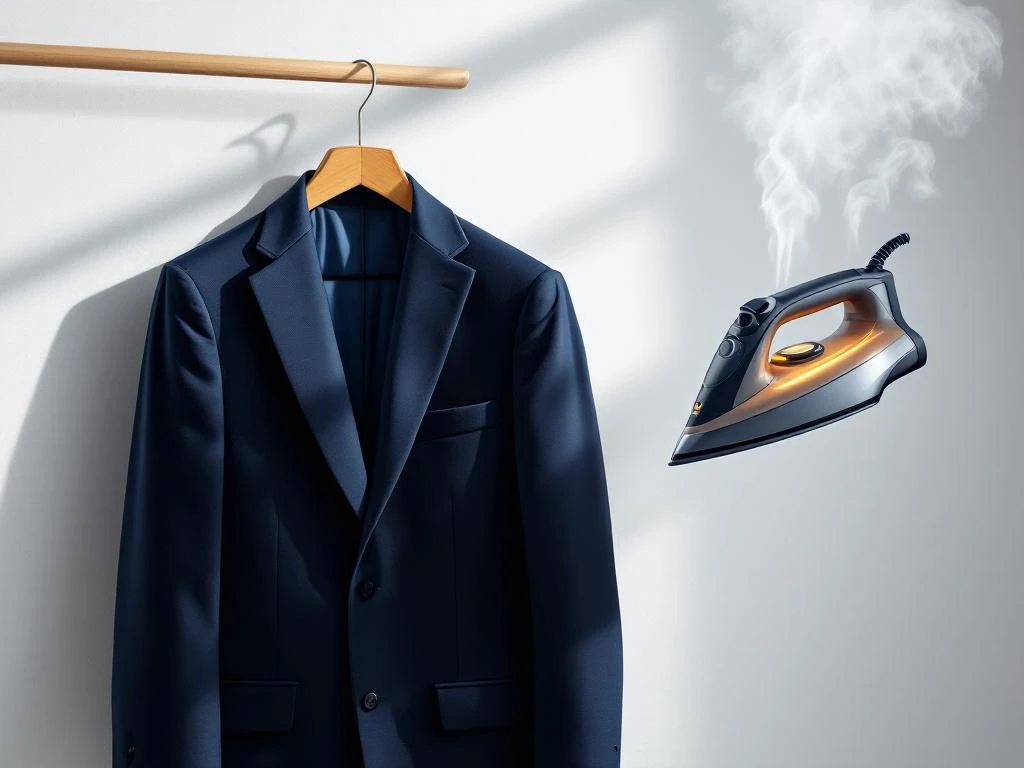
When pressing a suit, use medium heat settings between 150–180°C (300–350°F) for most wool fabrics, which make up the majority of quality suits. Cotton and linen can handle higher temperatures up to 200°C (390°F), while synthetic blends require lower heat around 110–140°C (230–280°F). Always check your suit’s fabric label and test on an inconspicuous area before pressing visible sections.
What temperature should you actually use when pressing different suit fabrics?
Different suit fabrics require specific temperature ranges to avoid damage while achieving proper results. Wool suits, the most common type, work best at medium heat settings between 150–180°C (300–350°F). This temperature range removes wrinkles without damaging the natural fibres or creating unwanted shine.
Cotton and cotton-blend suits can handle higher temperatures, typically 180–200°C (350–390°F). Pure cotton is quite resilient to heat, making it easier to press than delicate wool fabrics. Linen suits also tolerate higher heat well, often requiring temperatures at the upper end of this range to smooth out stubborn creases.
Synthetic fabrics like polyester, rayon, or synthetic blends need much lower temperatures, usually between 110–140°C (230–280°F). These materials can melt or become permanently damaged at higher heat settings, so err on the side of caution.
To identify your suit’s fabric composition, check the care label inside the jacket or trouser waistband. The label typically lists the primary materials and their percentages. If you can’t find a label or it’s worn away, wool feels naturally soft and slightly textured, cotton has a smooth, sturdy feel, and synthetic materials often feel lighter and more artificial to the touch.
When in doubt, start with lower temperatures and gradually increase if needed. It’s much easier to add more heat than to repair heat damage to an expensive suit.
How do you know if your iron is too hot for your suit?
Watch for immediate warning signs including fabric shine, colour changes, or stiffening of the material. If you notice these effects, stop pressing immediately and reduce the temperature. Always test your iron’s heat on a hidden area like the inside seam allowance or under the jacket lapel before pressing visible sections.
Shine is the most common sign of excessive heat on wool suits. The fabric develops a glossy, reflective surface that looks unnatural and can be difficult to reverse. This happens when high heat flattens the wool fibres, destroying their natural texture.
Scorching appears as brown or yellow discolouration, particularly on lighter fabrics. This represents actual burning of the fibres and is usually permanent damage. Cotton and linen may show scorch marks more readily than wool, but all fabrics are susceptible.
Fabric distortion includes shrinkage, puckering, or changes in texture. Synthetic materials may become stiff or plastic-like when overheated. Some synthetic fibres can actually melt, creating permanent damage that requires professional repair or replacement.
Before pressing any visible area, test your iron’s temperature on a hidden spot for 3–5 seconds. Check for any of these warning signs before proceeding. If the fabric reacts poorly, lower your temperature setting and wait for the iron to cool before trying again.
Pay special attention to areas with interfacing, such as jacket lapels and collars. These reinforced sections can react differently to heat and may show damage more readily than the main fabric.
What’s the difference between pressing and ironing a suit?
Pressing involves lifting and lowering the iron in a straight up-and-down motion, while ironing uses sliding movements across the fabric. Suit pressing requires steam, gentle pressure, and careful attention to the garment’s construction to maintain its shape and structure.
The pressing technique protects suit construction by avoiding the sideways stress that can distort shaped areas like jacket shoulders, chest pieces, and trouser creases. When you slide an iron across these areas, you risk pulling the fabric against its grain and disrupting the internal structure.
Steam plays a vital role in suit pressing. Use your iron’s steam function or a separate steamer to relax fibres before applying heat and pressure. The moisture helps remove wrinkles more effectively while requiring less direct heat contact with the fabric.
Pressure application should be firm but gentle. Let the iron’s weight do most of the work rather than pushing down hard. Heavy pressure can create unwanted creases, flatten texture, or damage delicate fabrics.
Movement patterns matter significantly when pressing suits. Work in sections, pressing each area thoroughly before moving on. For jackets, start with the back panel, then move to the sleeves, and finish with the front panels. Always press from the inside when possible to avoid creating shine on the visible surface.
Use a pressing cloth—a thin cotton or linen fabric—between your iron and the suit fabric. This provides an extra layer of protection against heat damage and prevents direct contact that could cause shine or scorching.
Why do professional tailors use different temperatures than home care instructions?
Professional tailors use commercial steam systems and specialised equipment that distribute heat more evenly than home irons. Their pressing machines often operate at lower temperatures while generating more consistent steam, allowing for better results with less risk of damage.
Commercial pressing equipment includes gravity-feed steam systems that produce continuous, penetrating steam at lower temperatures. This professional-grade steam relaxes fibres more effectively than the intermittent steam from home irons, reducing the need for high heat.
Professional pressing tables feature vacuum systems that hold fabric in place and remove excess moisture immediately. This combination allows tailors to work at optimal temperatures without the extended contact time that home pressing often requires.
Tailors’ techniques also differ significantly from home methods. Professionals use pressing blocks, ham cushions, and sleeve boards to support fabric during pressing. These tools maintain the garment’s three-dimensional shape while allowing precise temperature control for different areas.
Experience plays a major role in professional results. Skilled tailors can assess fabric response instantly and adjust their technique accordingly. They understand how it works with different weaves, weights, and blends react to heat and steam, allowing them to achieve optimal results safely.
Home care instructions tend to be more conservative to prevent damage from inexperienced handling or variable equipment quality. Manufacturers provide guidelines that work reasonably well for average home conditions but may not reflect the precision possible with professional equipment and expertise.
Consider professional pressing services for expensive suits, delicate fabrics, or garments with complex construction. The cost of professional care is typically much less than repairing heat damage or replacing a damaged garment, especially for wedding suits or other special occasion wear.
Proper suit pressing requires understanding your fabric, using appropriate temperatures, and employing correct techniques. While home pressing can maintain your suits between professional cleanings, recognising when to seek expert help protects your investment in quality tailoring. If you have specific questions about caring for your suit or need professional guidance, feel free to contact us. At Café Costume, we understand that maintaining your suit’s appearance is just as important as the initial craftsmanship that goes into creating each garment, which is why we provide detailed guidance on proper care as part of our commitment to quality service and company values.
