



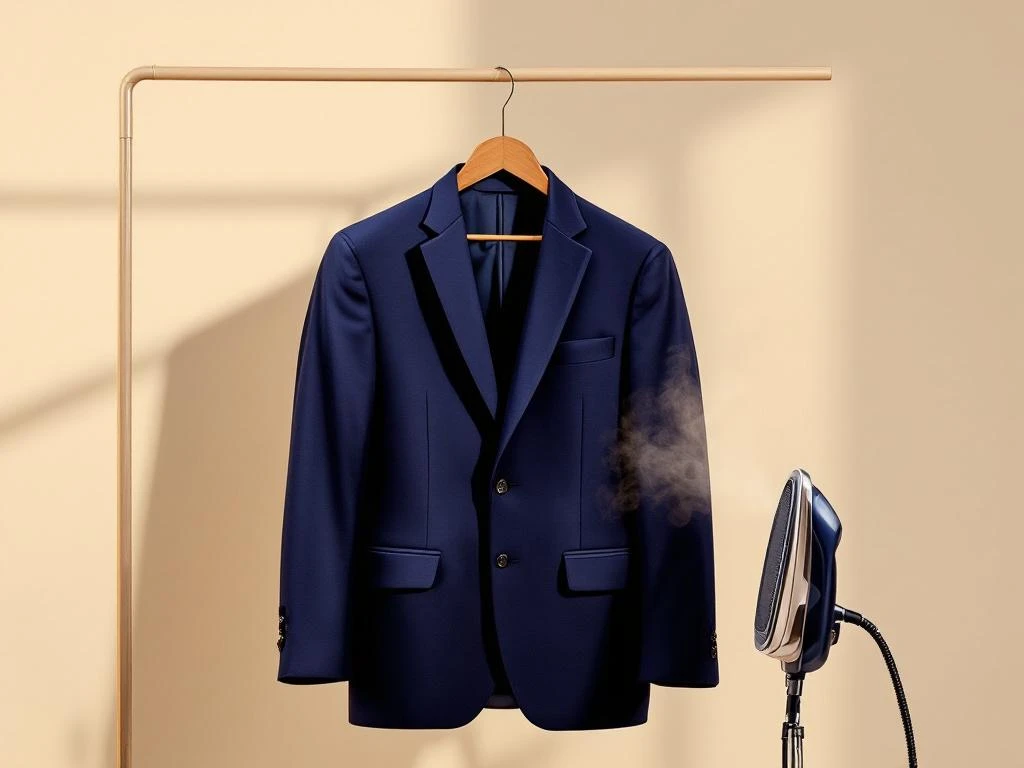
Professional suit pressing typically takes 15–30 minutes for a basic service, though this can vary significantly based on the garment’s condition and specific requirements. Express services may complete simple touch-ups in 10 minutes, while comprehensive pressing with detailed attention to construction elements can take up to 45 minutes. Understanding the factors that influence timing helps you plan accordingly and ensures your suits receive proper care.
What exactly is suit pressing and how is it different from regular ironing?
Professional suit pressing uses specialised steam equipment and expert techniques to restore garment shape without damaging delicate fabrics or construction details. Unlike home ironing, which applies direct heat and pressure, professional pressing employs controlled steam, proper pressing cloths, and knowledge of how different fabrics respond to heat and moisture.
The equipment makes a significant difference. Professional pressers use industrial steam systems that generate consistent, penetrating steam at precise temperatures. They have specialised presses for different garment sections, including sleeve boards, trouser presses, and jacket forms that maintain the three-dimensional shape of tailored garments.
Technique matters enormously. Professional pressers understand how it works with the grain of different fabrics, where to apply pressure, and how long to maintain contact. They know which areas of a suit require gentle steaming versus firm pressing, and how to handle details like lapels, shoulder construction, and trouser creases without creating unwanted marks or flattening the fabric’s natural texture.
Home ironing often involves placing an iron directly on fabric, which can create shine, flatten the weave, or damage delicate fibres. Professional pressing preserves the fabric’s integrity while removing wrinkles and restoring the garment’s intended silhouette. The difference is particularly noticeable on high-quality suits with complex construction and premium fabrics.
How long does professional suit pressing typically take?
Basic suit pressing takes 15–30 minutes for a complete jacket and trouser service. Express touch-ups can be completed in 10–15 minutes, while comprehensive restoration services may require 45 minutes to an hour, depending on the garment’s condition and specific requirements.
The process involves several stages that contribute to the overall timeline. Initial assessment takes 2–3 minutes as the presser examines the garment for stains, damage, or special requirements. The actual pressing work varies by garment section, with jackets typically requiring 15–20 minutes for proper attention to lapels, shoulders, sleeves, and body panels.
Trouser pressing usually takes 10–15 minutes, including time to establish proper creases, smooth the seat and thigh areas, and ensure the hem lies correctly. Waistcoats add approximately 5–8 minutes to the service. If you’re having multiple pieces pressed, the time per garment often decreases slightly due to efficiency in setup and equipment preparation.
Express services focus on removing obvious wrinkles and refreshing the garment’s appearance quickly. These services work well for suits that have been hanging properly but need a quick refresh before an important meeting or event. Comprehensive services include detailed attention to every seam, proper shaping of lapels and shoulders, and careful pressing of all construction details.
Same-day service is typically available for standard pressing, though busy periods may extend wait times. Many professional services offer while-you-wait options for urgent requirements, though this may incur additional charges.
What factors affect how long your suit pressing will take?
Fabric type, garment construction complexity, and wrinkle severity are the primary factors influencing pressing time. Delicate fabrics like silk or fine wool require more careful handling, while heavily wrinkled garments need additional attention to achieve proper results.
Fabric composition significantly impacts timing. Natural fibres like wool and cotton respond well to steam but require careful temperature control to prevent damage. Synthetic blends may need different techniques and longer processing times to achieve lasting results. Luxury fabrics often demand extra care and specialised handling, extending the service time but ensuring optimal results.
Construction details add complexity and time. Hand-stitched buttonholes, functional sleeve buttons, and canvas construction require careful pressing techniques that preserve these premium features. Suits with multiple vents, complex pocket details, or unusual styling elements need additional attention to maintain their intended appearance.
The garment’s condition upon arrival affects processing time considerably. Suits that have been properly stored and only need light refreshing are processed quickly. Garments that have been packed in luggage, stored improperly, or worn extensively require more intensive treatment to restore their appearance.
Special requests influence timing as well. If you need specific crease adjustments, stain treatment, or minor repairs alongside pressing, expect additional time. Some services offer package deals that include pressing with other garment care services, which may affect scheduling and completion times.
Seasonal factors can impact wait times rather than actual processing time. During wedding season, graduation periods, or holiday seasons, demand increases and scheduling may require advance booking even though the actual pressing time remains consistent.
How often should you have your suits professionally pressed?
Most suits benefit from professional pressing every 4–6 wears, though this varies based on fabric type, wearing conditions, and storage practices. Daily-wear suits may need weekly attention, while occasional-wear garments might only require monthly or seasonal pressing.
Your wearing patterns determine frequency needs. If you wear suits daily for business, weekly pressing maintains a crisp, professional appearance. The fabric experiences more stress from regular movement, and frequent pressing helps maintain the garment’s shape and appearance. Rotating between multiple suits reduces wear on individual pieces and can extend the time between pressing services.
Fabric type influences maintenance schedules. Wool suits naturally resist wrinkles and may need less frequent pressing than cotton or linen garments. High-quality fabrics with good construction often maintain their appearance longer between services. Conversely, lighter-weight fabrics or those prone to wrinkling may benefit from more frequent attention.
Environmental factors affect how quickly suits lose their pressed appearance. Humid climates, extensive travel, or active lifestyles may necessitate more frequent pressing. Air conditioning and heating systems can also impact how fabrics behave and maintain their pressed appearance throughout the day.
Proper storage between wears significantly extends the time between professional pressing services. Hanging suits on quality hangers, allowing them to air out between wears, and storing them in breathable garment bags help maintain their pressed appearance. Brushing suits after wear removes surface dirt and helps preserve the fabric’s appearance.
You can extend the time between professional services by addressing minor wrinkles promptly. Hanging suits in a steamy bathroom can help release light wrinkles, while proper hanging techniques prevent new ones from forming. However, professional pressing remains important for maintaining the suit’s structural integrity and ensuring optimal appearance for important occasions.
Understanding suit pressing timing helps you plan your wardrobe maintenance effectively and ensures your garments always look their best. Whether you need quick touch-ups or comprehensive restoration, professional pressing preserves your investment in quality tailoring. At Café Costume, we understand the importance of proper garment care and can provide guidance on maintaining your made-to-measure suits between professional services to keep them looking exceptional for years to come. For more information about our services or to discuss your specific garment care needs, please contact our team.
