



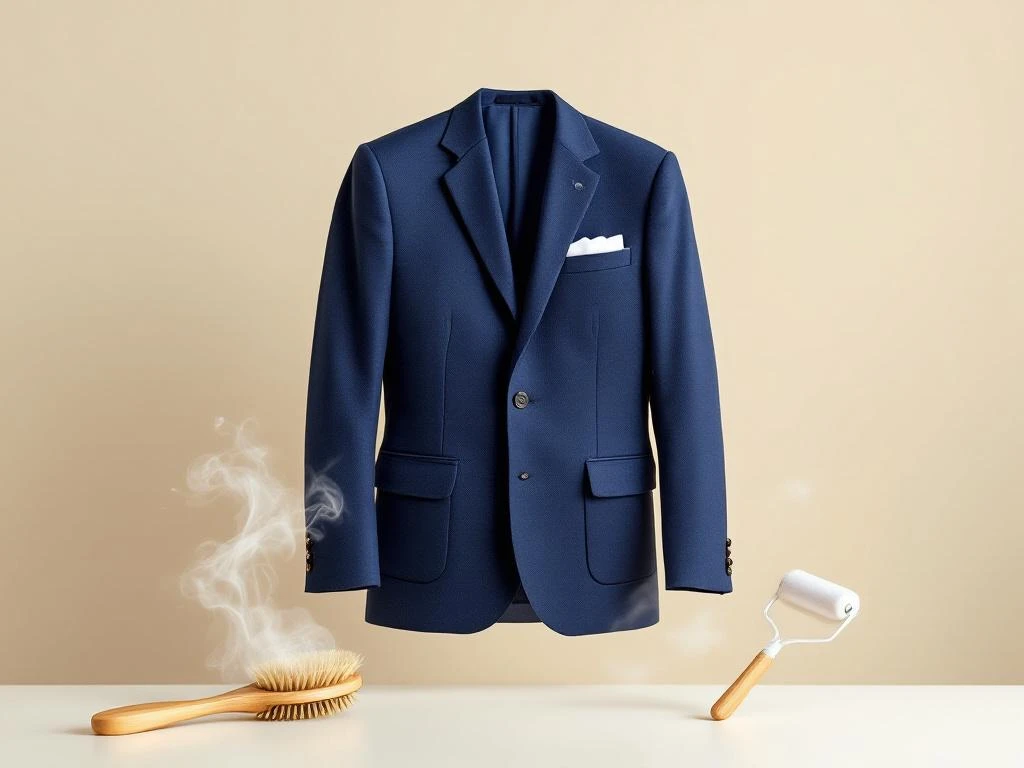
You can clean a suit at home using gentle methods like spot cleaning, steaming, and proper brushing. These techniques work well for minor stains, wrinkles, and general freshening between professional cleanings. Home suit cleaning requires careful attention to fabric type and avoiding excessive water or harsh chemicals. Understanding which methods work safely helps you maintain your suit’s appearance whilst knowing when professional dry cleaning becomes necessary.
Can you really clean a suit at home without ruining it?
Yes, you can safely clean a suit at home using gentle methods that avoid harsh chemicals and excessive moisture. Light brushing, spot cleaning, and steaming work well for regular maintenance and minor issues. Home cleaning suits wool, cotton, and most blended fabrics when you follow proper techniques and avoid soaking the garment or using aggressive scrubbing motions.
Professional dry cleaning remains important for deep cleaning, stubborn stains, and seasonal maintenance. Most suits benefit from professional cleaning once or twice yearly, depending on wear frequency. Between these professional cleanings, home maintenance keeps your suit fresh and presentable whilst extending the time between expensive dry cleaning visits.
The key to successful home suit cleaning lies in understanding your fabric. Check the care label inside your jacket for specific guidance. Wool suits tolerate gentle spot cleaning and steaming well. Linen and cotton suits handle slightly more moisture, whilst silk-lined jackets require extra caution around water. Knowing your fabric helps you choose appropriate cleaning methods.
Avoid home cleaning when dealing with oil-based stains, large spills, or visible discolouration across multiple areas. These situations require professional solvents and equipment. Similarly, if your suit needs pressing to restore its shape or has absorbed strong odours, professional cleaning delivers better results than home methods.
What’s the best way to spot clean a suit jacket?
Spot cleaning works by gently lifting stains without saturating the fabric. Mix a small amount of mild detergent with cool water, dip a clean white cloth into the solution, and blot the stained area gently. Always work from the outside of the stain towards the centre to prevent spreading. Blot rather than rub to avoid damaging the fabric weave or creating visible marks.
You’ll need these basic tools for effective spot cleaning: a soft-bristled brush, clean white cloths, mild liquid detergent (or specialist suit cleaner), and cool water. White cloths prevent colour transfer onto your suit. The soft brush helps lift dirt and restore the fabric texture after cleaning. Keep these items ready for quick response to fresh stains.
Different stains require different approaches. For water-based stains like coffee or wine, blot immediately with a dry cloth, then use your diluted detergent solution. For grease spots, sprinkle cornstarch or talcum powder on the area, leave for several hours to absorb the oil, then brush away gently. Food stains often respond well to careful blotting with a barely damp cloth.
After spot cleaning, blot the area with a clean, damp cloth to remove detergent residue. Then press a dry cloth against the spot to absorb excess moisture. Hang the jacket in a well-ventilated area to air dry completely. Never apply direct heat or place the jacket in sunlight, as this can set stains permanently or fade the fabric colour.
How do you remove wrinkles from a suit without dry cleaning?
Steaming provides the safest and most effective method for removing wrinkles at home. Hold a garment steamer about 15 centimetres from the fabric and move it vertically down the jacket and trousers. The steam relaxes fibres without direct contact, preventing shine or fabric damage. This method works brilliantly for wool, cotton, and most suit fabrics whilst freshening the garment simultaneously.
The bathroom steam method offers a simple alternative without special equipment. Hang your suit in the bathroom whilst running a hot shower for 10-15 minutes. The accumulated steam penetrates the fabric and releases wrinkles naturally. Keep the suit away from direct water spray. After steaming, hang the suit in a cool, dry room to let moisture evaporate completely before wearing or suit storage.
If you must iron your suit, use these precautions to avoid damage. Set your iron to the appropriate temperature for your fabric (low for wool, medium for cotton). Always use a pressing cloth between the iron and your suit to prevent shine and scorch marks. Iron on the reverse side when possible, and use smooth, gentle movements rather than pressing hard or leaving the iron stationary.
Proper hanging prevents most wrinkles from forming. Use a wide, shaped suit hanger that supports the jacket’s shoulders properly. Hang trousers by the cuffs or fold them over a trouser bar. Give your suit space in the wardrobe so it doesn’t get crushed against other garments. After wearing, hang the suit immediately and let it air for 24 hours before returning it to the wardrobe, allowing moisture and wrinkles to dissipate naturally.
What mistakes should you avoid when cleaning a suit at home?
Using too much water ranks as the most common and damaging mistake. Suits contain structured elements like canvas interfacing and padding that lose shape when saturated. Excessive water causes shrinkage, puckering, and permanent distortion of the jacket’s silhouette. Always use minimal moisture and focus on blotting rather than wetting large areas during suit cleaning.
Harsh chemicals and household cleaners damage suit fabrics irreparably. Bleach, strong detergents, and stain removers designed for regular laundry often contain aggressive ingredients that strip natural fibres, fade colours, and weaken fabric structure. Stick to mild, pH-neutral detergents specifically designed for delicate fabrics or wool. When in doubt, test any cleaning solution on an inconspicuous area inside the jacket.
Aggressive scrubbing and rubbing destroy the fabric surface. This friction damages the weave, creates visible marks, and can push stains deeper into fibres rather than removing them. Rubbing also creates shine on wool fabrics by flattening the natural texture. Always use gentle blotting motions with a clean cloth, applying minimal pressure whilst allowing the cleaning solution to do the work.
Improper drying methods cause lasting damage to suit structure and appearance. Never place a suit in a tumble dryer, hang it near radiators, or expose it to direct sunlight. These heat sources cause shrinkage, set stains permanently, and fade colours. Similarly, hanging a wet or damp suit causes the weight of moisture to pull the fabric out of shape. Always allow suits to dry naturally in a well-ventilated space at room temperature, ensuring they’re only slightly damp before hanging.
Maintaining your suit properly at home saves money whilst keeping you looking sharp between professional cleanings. Regular brushing, careful spot treatment, and proper suit storage extend your garment’s life significantly. Remember that home cleaning complements rather than replaces professional care. When you invest in quality tailoring, treating it with appropriate care protects that investment. At Café Costume, we understand the importance of proper garment care. Our tailors can advise you on maintaining your made-to-measure suits and recommend the best cleaning schedule for your specific fabrics and wearing patterns. Whether you’re preparing for a wedding or maintaining your everyday business attire, proper suit care ensures you always look your best. If you have questions about caring for your specific garments, please don’t hesitate to contact our team for personalized advice. Learn more about our commitment to quality craftsmanship and discover company info on our approach to creating suits that stand the test of time.
