



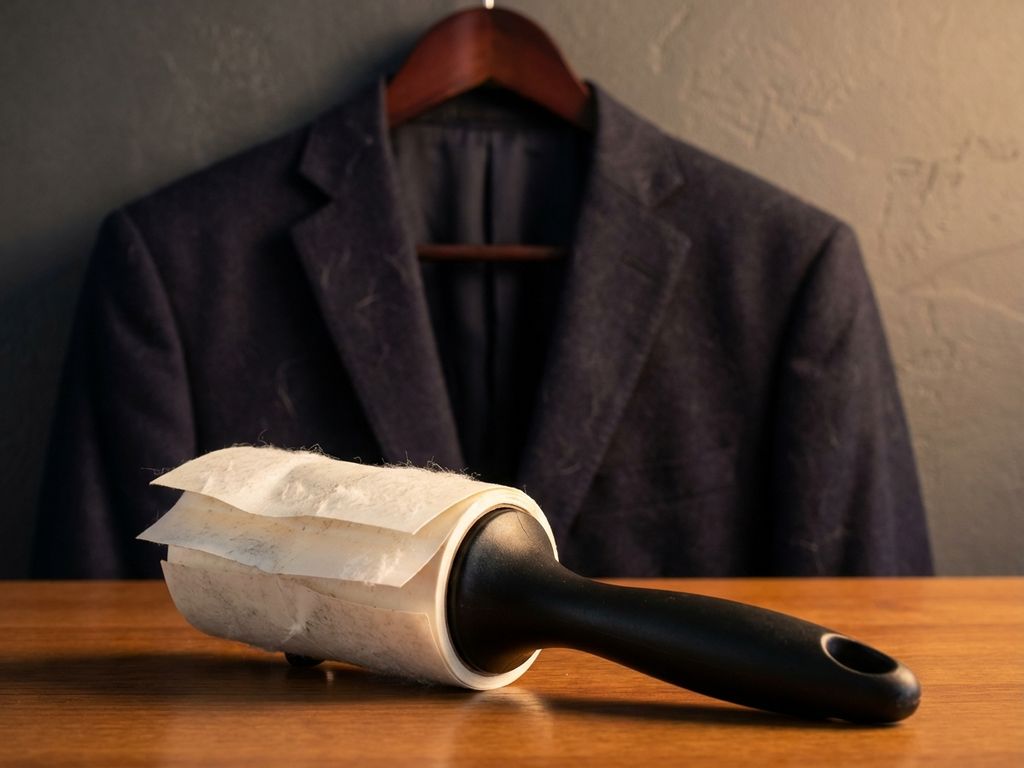
You can remove lint from a dark suit using a lint roller, fabric shaver, or lint brush with gentle downward strokes following the fabric grain. Tape methods and household items like rubber gloves also work effectively. The key is to use gentle pressure to avoid damaging delicate suit fabrics while working systematically across the entire garment.
What makes dark suits attract lint so easily?
Dark suits show lint more prominently because of colour contrast and static electricity buildup. Light-coloured lint, dust, and fibres become highly visible against dark fabrics like navy, charcoal, or black wool. The contrast makes even small amounts of lint appear obvious and unsightly.
Static electricity plays a major role in lint attraction. Wool and synthetic suit fabrics naturally build up static charge through movement and friction. This electrical charge acts like a magnet, pulling loose fibres, pet hair, and dust particles from the environment onto the surface of your suit.
Fabric texture also influences lint accumulation. Suits with textured weaves or brushed finishes provide more surface area for lint to catch and stick. Smooth fabrics like fine wool gabardine tend to attract less lint than rougher textures. The weave structure creates tiny spaces where particles can lodge, making removal more challenging.
Suit care becomes particularly important for dark garments because lint issues are so visible. Regular maintenance prevents buildup that becomes harder to remove over time. Understanding why your dark suit attracts lint helps you choose the right removal methods and prevention strategies.
What’s the best tool for removing lint from a dark suit?
Lint rollers offer the most effective and safest option for removing lint from dark suits. They use adhesive sheets that lift lint without pulling fabric fibres or damaging delicate materials. Quality lint rollers work quickly and leave no residue, making them easy to incorporate into your regular suit maintenance routine.
Fabric shavers work well for removing pills and stubborn lint but require careful technique. They use rotating blades to cut away surface fibres, making them ideal for older suits with significant pilling. However, they pose more risk to delicate fabrics and should be used sparingly on expensive garments.
Lint brushes provide a traditional, reusable option that works through gentle bristle action. Natural boar bristle brushes are gentler than synthetic versions and won’t create static. They work best on sturdy wool suits but may not remove all types of lint effectively.
Tape methods using masking tape or packing tape offer budget-friendly alternatives. Wrap tape around your hand with the sticky side out, then pat gently across the suit surface. This method works well but takes more time than purpose-built tools.
Cost considerations vary significantly between options. Lint rollers require ongoing replacement sheets, fabric shavers are one-time purchases, and lint brushes last for years with proper care. Choose based on your garment care frequency and budget preferences.
How do you safely remove lint without damaging delicate suit fabric?
Always work with the fabric grain direction using gentle, downward strokes to avoid pulling threads or damaging the weave. Test your chosen removal method on an inconspicuous area first, such as the inside seam allowance or under the collar, to ensure it won’t harm the fabric.
Start with the gentlest method available and increase intensity only if needed. Begin with a lint brush or lint roller using light pressure. If lint persists, you can apply slightly more pressure or switch to a different tool. This graduated approach prevents accidental damage to expensive suit fabrics.
Support the fabric while working by placing your free hand behind the area you’re treating. This prevents stretching and provides stability for more effective lint removal. Work in small sections rather than trying to cover large areas quickly.
Pay special attention to high-risk areas like lapels, pocket edges, and seams where fabric is most vulnerable. These areas experience more stress during wear and are more likely to show damage from aggressive lint removal. Use extra care around buttonholes and decorative stitching.
For wool suits, avoid circular motions that can disturb the natural lay of the fibres. Silk-lined jackets require particular gentleness, as the lining can snag easily. When working on suit cleaning tasks, patience produces better results than speed.
What household items can remove lint from suits in emergencies?
Masking tape provides the most reliable emergency lint removal method using items you likely have at home. Wrap several inches around your hand with the sticky side facing out, then gently pat and lift across the suit surface. The adhesive picks up lint without leaving residue on most fabrics.
Rubber gloves work surprisingly well for lint removal through static attraction. Put on clean rubber gloves and run your hands lightly over the suit fabric. The rubber creates friction that generates static electricity, pulling lint away from the fabric surface.
Dryer sheets can remove lint while reducing static buildup that attracts future lint. Gently wipe the fabric surface with a used dryer sheet, which has enough residual anti-static properties to be effective without leaving excessive residue.
A slightly damp cloth removes some types of lint through gentle wiping action. Use a clean, barely damp microfibre cloth and work in the direction of the fabric grain. This method works best for surface dust and light lint but won’t handle stubborn fibres.
Bread slices can work in desperate situations by gently dabbing the sticky interior against lint spots. This old-fashioned method works through mild adhesion but should only be used when proper tools aren’t available. These emergency garment care methods help maintain your appearance when professional tools aren’t accessible.
How can you prevent lint from sticking to dark suits in the future?
Proper storage in breathable garment bags significantly reduces lint accumulation by creating a barrier against environmental dust and fibres. Choose cotton or canvas garment bags rather than plastic, which can trap moisture and create static buildup that attracts more lint.
Anti-static sprays applied lightly to suit surfaces help repel lint-attracting static charges. Spray from 6–8 inches away and allow complete drying before wearing. These products work by neutralising electrical charges that pull lint onto fabric surfaces.
Separate your suits from lint-producing garments during storage and transport. Avoid hanging suits near fleece, wool sweaters, or other high-shed materials. Use individual garment bags when travelling to prevent lint transfer from other clothing items.
Regular professional cleaning maintains fabric condition and removes embedded particles that attract additional lint. Professional cleaners use techniques that restore the fabric surface and reduce static buildup. Schedule cleaning based on wear frequency rather than waiting for visible soil.
Fabric softener sheets in your wardrobe help reduce static in the surrounding area. Place unused dryer sheets in suit pockets or garment bags to create an anti-static environment. Replace these sheets monthly for continued effectiveness.
Quality hangers with smooth surfaces prevent fabric snagging that can create loose fibres. Wooden or padded hangers maintain suit shape while reducing friction that generates static electricity.
Maintaining your dark suits requires consistent attention to both removal and prevention strategies. Professional suit care combines these approaches with regular maintenance to keep your garments looking sharp. We understand the importance of proper garment care and offer comprehensive services to help you maintain your investment in quality tailoring. Our experienced team can guide you through proper care techniques and provide professional cleaning services that extend the life of your suits while keeping them looking their absolute best.
