



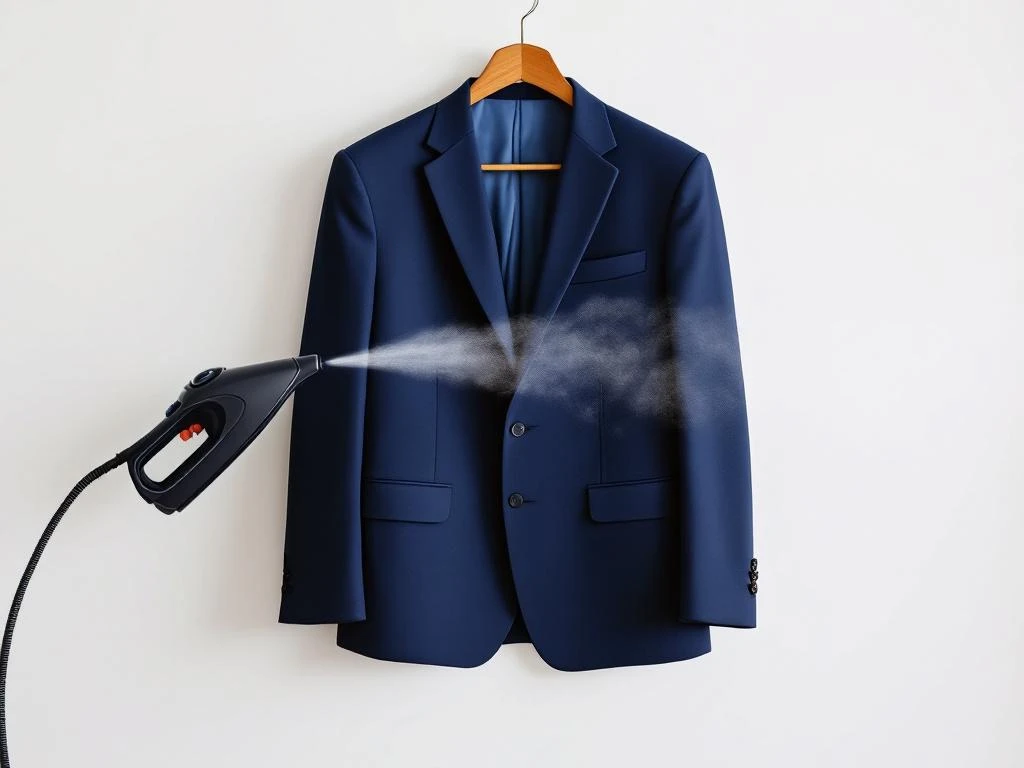
Most suits should be pressed after every 2–3 wears, though this varies based on fabric type, wear duration, and how they’re stored. Delicate fabrics like wool require less frequent pressing, while wrinkle-prone materials may need attention after each wear. Professional pressing maintains your suit’s appearance and extends its lifespan when done properly.
How often should you actually press a suit?
The ideal pressing frequency depends on your wearing patterns and lifestyle demands. For most people, pressing every 2–3 wears maintains a professional appearance without damaging the fabric. If you wear your suit for full workdays or in humid conditions, you might need pressing after each wear. Conversely, suits worn for brief occasions or in controlled environments can often go 4–5 wears between pressings.
Fabric type plays a crucial role in determining frequency. Wool suits naturally resist wrinkles and can handle longer intervals between pressings. Cotton and linen blends wrinkle more easily and require more frequent attention. Synthetic blends fall somewhere in between, often maintaining their shape for 3–4 wears.
Your profession also influences pressing needs. Lawyers, bankers, and other professionals who spend long hours in meetings benefit from more frequent pressing. Those in creative fields or less formal environments can extend the time between pressings without compromising their professional image. For wedding events and special occasions, ensure your suit is freshly pressed regardless of when it was last worn.
Consider your storage methods too. Suits hung properly on quality hangers in breathable garment bags retain their shape longer. Those stored in cramped wardrobes or left draped over chairs will need pressing more frequently.
What’s the difference between pressing and dry cleaning your suit?
Suit pressing focuses on removing wrinkles and restoring shape using heat, steam, and pressure, while dry cleaning involves chemical solvents to remove stains, odours, and deep-seated dirt. Pressing is a maintenance service you can use frequently, while dry cleaning should be limited to prevent fabric damage from harsh chemicals.
Professional pressing uses specialised equipment that applies controlled heat and steam to smooth fabric fibres without the aggressive chemicals used in dry cleaning. This process refreshes the suit’s appearance and can eliminate light odours through steam treatment. Understanding how it works helps you make informed decisions about your suit maintenance routine.
Dry cleaning removes oils, perspiration, and stains that pressing cannot address. However, the chemical solvents used in dry cleaning gradually break down fabric fibres, particularly in wool and delicate materials. This is why dry cleaning should be reserved for when suits are genuinely soiled rather than just wrinkled.
Many people mistakenly believe dry cleaning and pressing are the same service. In reality, you can have suits pressed without dry cleaning them, which is often the better choice for routine maintenance. Professional pressers can also spot-clean minor stains without subjecting the entire garment to chemical treatment.
The cost difference is significant too. Pressing typically costs a fraction of dry cleaning, making it a more economical choice for regular suit maintenance.
Why does pressing frequency matter for your suit’s lifespan?
Proper pressing frequency directly impacts fabric integrity and garment longevity. Over-pressing weakens fibres through excessive heat exposure, while under-pressing allows wrinkles to set permanently, creating creases that become increasingly difficult to remove. Finding the right balance preserves your investment and maintains a professional appearance.
When you allow wrinkles to set for extended periods, they create stress points in the fabric. These areas become more susceptible to wear and may develop permanent creasing that even professional pressing cannot fully eliminate. Regular, gentle pressing prevents this damage by addressing wrinkles before they become entrenched.
Excessive pressing, particularly with too much heat, can cause fabric shininess, especially on wool suits. This occurs when heat flattens the natural texture of the fibres, creating an undesirable glossy appearance that signals poor maintenance habits.
The pressing process, when done correctly, actually helps maintain the suit’s structural elements. Professional pressing reshapes the canvas and interfacing, ensuring the jacket maintains its intended silhouette. This structural maintenance is particularly important for the chest area and lapels.
Quality suits are designed to handle regular pressing when done properly. The key is using appropriate temperature settings and techniques that work with the fabric rather than against it. Professional pressers understand these nuances and can extend your suit’s lifespan significantly compared to improper home pressing.
How do you know when your suit needs pressing?
Visual inspection reveals several clear indicators that your suit requires pressing. Visible wrinkles, loss of sharp creases, and fabric that appears limp or shapeless all signal that it’s time for professional attention. Check the jacket’s chest area, lapels, and trouser creases, as these areas show wear most obviously.
The trouser crease test is particularly revealing. Run your hand along the front crease line—if it feels soft or undefined, pressing is needed. Sharp, well-defined creases are hallmarks of a properly maintained suit and contribute significantly to your professional appearance.
Examine the jacket’s chest and back areas for horizontal wrinkles, which develop from sitting or movement. These wrinkles often appear across the back shoulders and around the button area. If they don’t disappear after hanging the suit overnight, pressing is necessary.
Check the fabric’s overall appearance and feel. Suits that need pressing often look dull or lifeless, lacking the crisp appearance of well-maintained garments. The fabric may feel limp rather than having the structured feel of a properly pressed suit.
Consider the suit’s performance during wear. If you notice the jacket doesn’t sit properly on your shoulders or the trousers don’t hang correctly, pressing can often restore proper fit and drape. This is particularly noticeable in the way the jacket closes and how the collar sits against your neck.
What happens if you press your suit too often or not enough?
Over-pressing damages fabric fibres through excessive heat exposure, causing shininess, weakening, and premature wear. Under-pressing allows wrinkles to set permanently, creates an unprofessional appearance, and can lead to fabric distortion. Both extremes reduce your suit’s lifespan and compromise your professional image.
Excessive pressing, particularly with high heat settings, breaks down the natural fibres in wool and other quality fabrics. This manifests as fabric shininess, especially noticeable on dark suits under office lighting. Once this shine develops, it’s often permanent and significantly diminishes the suit’s appearance.
Too-frequent pressing can also cause fabric to lose its natural texture and body. Wool suits, in particular, rely on the natural structure of fibres for their appearance and drape. Excessive heat and pressure flatten this structure, leaving the suit looking flat and lifeless.
Neglecting pressing creates equally serious problems. Wrinkles that remain in fabric for extended periods create memory creases that become increasingly difficult to remove. These permanent lines disrupt the suit’s intended silhouette and create an unkempt appearance.
Under-pressed suits also fail to maintain their structural integrity. The canvas and interfacing in quality suits require periodic reshaping through proper pressing. Without this maintenance, jackets lose their shape, lapels become floppy, and the overall fit deteriorates.
Professional appearance suffers significantly with improper pressing habits. Colleagues and clients notice details like sharp creases, proper drape, and overall garment condition. These elements contribute to perceptions of professionalism and attention to detail that can impact career advancement and business relationships.
Finding the right balance requires understanding your specific suits, wearing patterns, and professional demands. When in doubt, consult professional pressers who understand fabric care and can provide guidance tailored to your wardrobe needs. For expert advice on maintaining your investment pieces, feel free to contact experienced professionals who understand that proper suit maintenance is as important as the initial craftsmanship. Learning more about quality suit care practices can help you make informed decisions that preserve both your wardrobe and professional image.
