



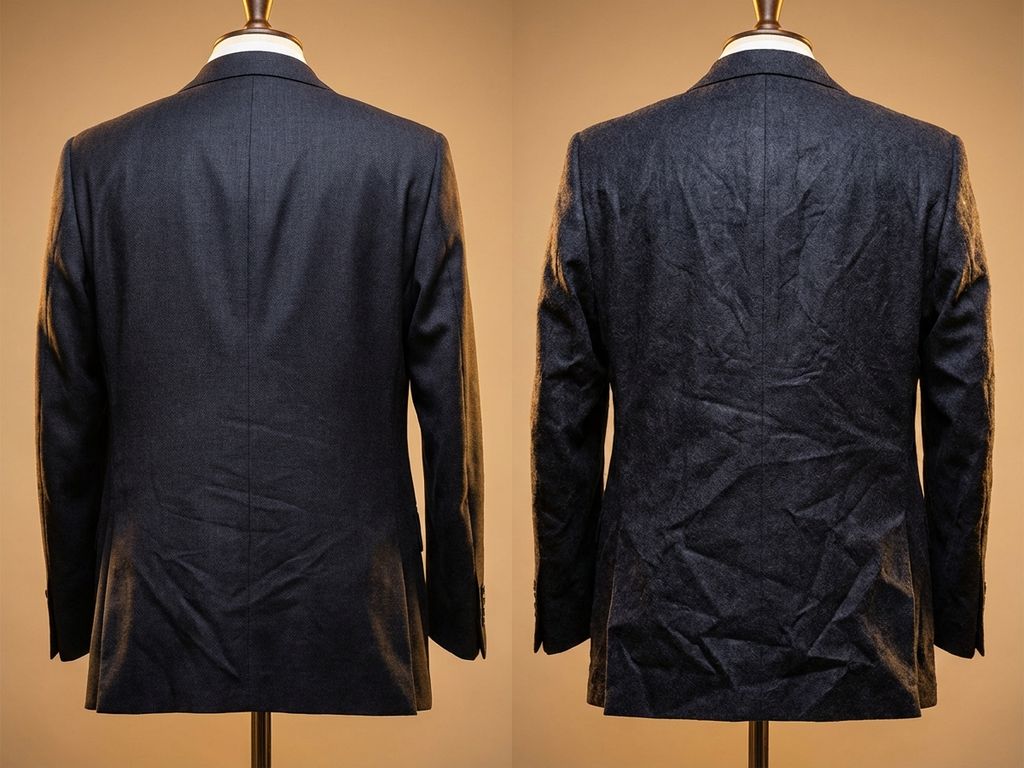
Suit fabric becomes stiff after cleaning primarily because of the interaction between dry-cleaning chemicals and fabric fibres, combined with the heat and pressing used during the process. The solvents used in dry cleaning can strip natural oils from fibres, while high temperatures and mechanical pressing can alter the fabric’s structure. Different fabric types react differently, with some materials more prone to stiffness than others.
What actually happens to suit fabric during the cleaning process?
Dry-cleaning solvents interact with fabric fibres by removing dirt, oils, and stains, but they can also strip away the natural oils that keep fibres supple. The most common solvent, perchloroethylene, effectively dissolves grease and grime but can leave natural fibres feeling harsh and rigid after treatment.
The heat and pressing stages of professional cleaning contribute significantly to fabric stiffness. The high temperatures used during the pressing process can cause protein fibres in wool to contract and become more compact. The mechanical pressure applied during pressing can flatten the natural texture of the fabric, reducing its original drape and softness.
Steam and moisture levels during cleaning also play a role in how fabric feels afterwards. When fabrics are exposed to steam and then rapidly dried under pressure, the fibres can set in a more rigid position than their natural state. This is particularly noticeable with suit care involving delicate fabrics that have not been properly conditioned after cleaning.
Chemical residue left behind after cleaning can create a coating on fibres that makes them feel stiffer. Some dry cleaners use fabric softeners or conditioning agents to counteract this effect, but not all establishments include this step in their standard process.
Why do some fabrics become stiffer than others after cleaning?
Natural fibres like wool, cotton, and linen react differently to cleaning chemicals based on their protein or cellulose structure. Wool contains natural oils called lanolin that help maintain softness, and when these are removed during cleaning, the fabric can feel noticeably stiffer. Cotton and linen fibres can become rigid when their natural moisture content is altered during the cleaning process.
Synthetic blends often maintain their texture better after cleaning because man-made fibres are designed to be more resistant to chemical treatments. Polyester and nylon blends typically return to their original feel more readily than pure natural fibres. However, some synthetic fabrics can develop a plasticky feel if exposed to excessive heat during pressing.
The weave and construction of the fabric significantly affect post-cleaning stiffness. Tightly woven fabrics tend to become more rigid than loosely woven ones because the cleaning process can cause the threads to contract and pull together more tightly. Fabrics with a looser weave allow for more natural movement and flexibility after treatment.
Garment care requirements vary based on fabric weight and finish. Heavier fabrics like thick wool tweeds are more likely to retain stiffness after cleaning compared to lightweight wools or silk blends. Fabrics with special finishes or treatments may react unpredictably to cleaning chemicals, sometimes resulting in unexpected texture changes.
How can you prevent your suit from becoming stiff after cleaning?
Choose a reputable dry cleaner who understands different fabric requirements and uses appropriate solvents for your specific garment. Ask about their cleaning process and whether they use fabric-conditioning treatments as part of their standard service. A quality cleaner will discuss your fabric-care preferences and adjust their methods accordingly.
Communicate clearly with your cleaner about the fabric type and any previous issues you have experienced with stiffness. Point out areas of concern and ask them to use gentle pressing techniques. Many cleaners can adjust their heat settings and pressure levels for delicate fabrics when specifically requested.
Prepare your suit properly before cleaning by checking pockets thoroughly and noting any specific care requirements on the label. Remove any accessories or detachable elements that might be damaged by the cleaning process. This preparation helps ensure your suit maintenance goes smoothly without unnecessary complications.
Consider the frequency of cleaning to prevent over-processing of the fabric. Suits do not need cleaning after every wear unless they are visibly soiled or odorous. Allowing natural fibres to rest between wears and using proper storage can extend the time between professional cleanings, reducing the cumulative effect of chemical treatments on fabric texture.
Request that your cleaner skip heavy pressing if your suit does not require it. Light steaming can often achieve the desired appearance without the mechanical pressure that contributes to stiffness. This approach works particularly well for suits that are only lightly soiled or need refreshing rather than deep cleaning.
What can you do to restore softness to a stiff suit after cleaning?
Steam your suit gently using a handheld steamer or by hanging it in a steamy bathroom. The moisture helps relax the fibres and restore some natural flexibility. Hold the steamer at least six inches away from the fabric and work in sections, allowing each area to cool before moving to the next.
Hang your suit properly on quality wooden hangers that support the shoulder structure. Avoid wire hangers that can create pressure points and maintain fabric stiffness. Allow the suit to hang freely for several days in a well-ventilated area, giving the fibres time to relax and return to their natural drape.
Brush the fabric gently with a soft-bristled clothes brush, working in the direction of the weave. This technique helps lift the fibres and restore some of the original texture. Use light, consistent strokes rather than aggressive brushing that could damage the fabric surface.
For persistent stiffness, try the towel method: place a damp towel over the affected areas and use a warm iron on a low setting. The combination of moisture and gentle heat can help soften stubborn areas without direct contact between the iron and the suit fabric. Remove the towel frequently to check progress and avoid over-dampening.
Professional fabric restoration may be necessary for severely stiffened suits. Specialised suit cleaning services can apply conditioning treatments or reprocess the garment using gentler methods. This option works particularly well for expensive suits or those with sentimental value that warrant the additional investment in proper restoration.
Understanding why suits become stiff after cleaning helps you make better decisions about garment care and maintenance. The key lies in choosing the right cleaning methods, communicating effectively with your cleaner, and knowing how to restore softness when needed. At Café Costume, we understand the importance of maintaining your suit’s original feel and drape, which is why we provide detailed care guidance during our personal style consultations to help you preserve your investment for years to come.
