



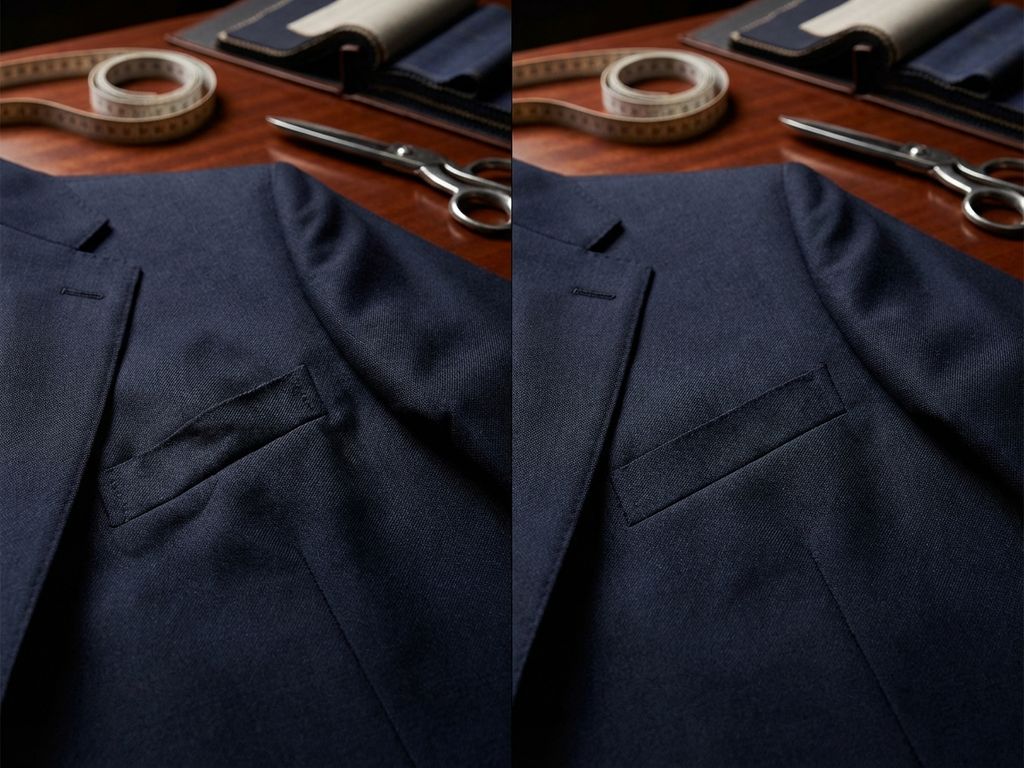
Suit pockets lose their shape primarily due to poor construction quality, inappropriate fabric choices, and overstuffing with heavy items. Thin interfacing, weak stitching, and regular overloading create permanent sagging that compromises your suit’s appearance. Understanding these causes helps you protect your investment and maintain that crisp, professional look.
What actually causes suit pockets to lose their shape over time?
Poor construction quality is the leading culprit behind sagging suit pockets. When manufacturers use inadequate interfacing or skip proper reinforcement techniques, pockets cannot maintain their structure under normal use. The interfacing acts as the pocket’s backbone, and without sufficient support, even minimal weight causes permanent stretching.
Fabric choice plays an equally important role in pocket durability. Lightweight fabrics without proper body lose their shape quickly when subjected to regular use. Natural fibres like wool handle stress better than synthetic blends, but only when woven with appropriate density. Cheap fabrics often lack the tensile strength needed to resist deformation from everyday items.
Your daily habits contribute significantly to pocket deterioration. Carrying phones, wallets, keys, or other items creates constant downward pressure that gradually stretches the pocket opening. This becomes particularly problematic with modern smartphones, which are heavier than the traditional items men carried in suit pockets decades ago.
Different pocket styles exhibit varying vulnerability to sagging. Patch pockets, sewn directly onto the jacket exterior, handle weight better than jetted pockets, which rely entirely on internal construction for support. Flap pockets offer moderate protection, but the flap itself adds weight that can contribute to stretching over time.
How does pocket construction quality affect long-term shape retention?
Proper interfacing and reinforcement make the difference between pockets that maintain their shape and those that sag within months. Quality construction uses multiple layers of interfacing around pocket openings, distributing weight across a broader area rather than concentrating stress on the fabric edges.
Hand-sewn pockets demonstrate superior longevity compared to machine-sewn alternatives. Hand stitching allows tailors to control tension precisely, preventing the tight, inflexible seams that can tear or stretch under pressure. The traditional pick-stitching technique creates flexible yet strong pocket edges that accommodate movement without compromising structure.
Canvas construction provides the foundation for durable pockets in quality suits. A floating chest piece with proper canvas extends support throughout the jacket front, including pocket areas. This internal structure maintains the garment’s shape even when pockets carry weight, distributing stress across the entire front panel.
Quality tailoring includes the strategic placement of stay stitches and bar tacks at stress points. These reinforcements prevent tears and control how fabric stretches under load. Professional suit makers also consider the relationship between pocket placement and natural body movement, positioning pockets to minimise stress during normal wear.
Suit care considerations for construction quality
Understanding your suit’s construction helps you provide appropriate care. Machine-made suits require more careful handling than hand-tailored garments, while suits with minimal interfacing need extra protection from weight and stress.
What items should you never put in your suit pockets?
Heavy items like large smartphones, thick wallets, and key rings cause the most damage to suit pockets. These items exceed the weight capacity most pockets can handle without stretching. Modern smartphones, particularly larger models, create concentrated pressure points that gradually enlarge pocket openings.
Bulky wallets stuffed with cards and cash create unsightly bulges while stretching pocket fabric. The rectangular shape of wallets also creates stress points at the corners, leading to tears in cheaper construction. Consider carrying only necessary cards and cash in a slim cardholder instead.
Sharp objects present dual threats to pocket integrity. Keys, pens, and small tools can puncture pocket fabric while their weight contributes to sagging. The metal edges of keys are particularly problematic, as they can catch on pocket stitching and cause tears during normal movement.
Loose change accumulates weight quickly and creates an uneven distribution that pulls pockets out of shape. The constant jingling also draws unwanted attention and compromises the suit’s elegant silhouette. Use a proper money clip or leave change in your car rather than carrying it in suit pockets.
Alternative carrying solutions
Invest in a quality briefcase or messenger bag for daily essentials. Inside jacket pockets can handle lightweight items like business cards or reading glasses better than exterior pockets. Consider a slim phone case that clips to your belt rather than weighing down your jacket.
How can you prevent your suit pockets from sagging in the first place?
Proper hanging techniques and rotation habits preserve pocket shape more effectively than any repair method. Always hang suits on quality wooden hangers that support the jacket’s natural shape. Avoid wire hangers that create stress points and cannot support the garment’s weight properly.
Remove all items from pockets before hanging your suit. Even lightweight objects create pressure over time when gravity pulls them downward. This simple habit prevents gradual stretching and maintains the clean lines that make suits look professional and well-fitted.
Rotate between multiple suits to reduce wear on any single garment. Wearing the same suit daily prevents the fabric from recovering its natural shape between uses. Wool fibres need time to relax and return to their original position after being stressed by movement and pocket weight.
Professional suit maintenance includes regular pressing and steaming that help restore fabric memory. Quality suit cleaning services understand how to handle different construction types and can provide minor repairs before small issues become major problems.
Daily practices for suit maintenance
Develop habits that support garment care throughout the day. Sit carefully to avoid crushing jacket fronts, remove your jacket when possible during long meetings, and handle your suit with the same care you would give any valuable investment.
Can you fix sagging suit pockets or do you need a new suit?
Minor pocket sagging can often be repaired through professional alterations, but severe stretching typically requires pocket reconstruction or suit replacement. The feasibility of repair depends on the extent of damage, suit quality, and cost-effectiveness compared to replacement.
Skilled tailors can reconstruct pocket openings by removing stretched fabric and rebuilding the pocket with fresh interfacing. This process works well for quality suits where the underlying construction remains sound. The tailor essentially creates a new pocket opening while preserving the suit’s overall structure.
Cost considerations play a significant role in repair decisions. Reconstructing pockets on an expensive, well-made suit makes financial sense, while the same repair cost might exceed the value of a budget garment. Consider the suit’s age, overall condition, and your attachment to the piece when evaluating repair options.
Some damage cannot be effectively repaired. Severe stretching that affects the jacket’s overall drape, tears in the main fabric, or damage to the underlying canvas structure typically signal that replacement makes more sense than repair.
When to seek professional assessment
Consult an experienced tailor for an honest evaluation of repair possibilities. They can assess whether alterations will restore the suit’s appearance or if the damage compromises the garment beyond practical repair. A professional opinion helps you make informed decisions about your suit care investments.
Maintaining suit pocket shape requires understanding construction quality, careful daily habits, and appropriate professional care. Quality suits with proper interfacing and construction can last decades with proper treatment, while poor construction leads to problems regardless of how carefully you handle the garment. At Café Costume, we understand that proper pocket construction and ongoing garment care form the foundation of a suit that maintains its elegant appearance throughout years of wear. Our personal style consultation process includes guidance on suit maintenance and care practices that protect your investment while ensuring you always look your best.
