



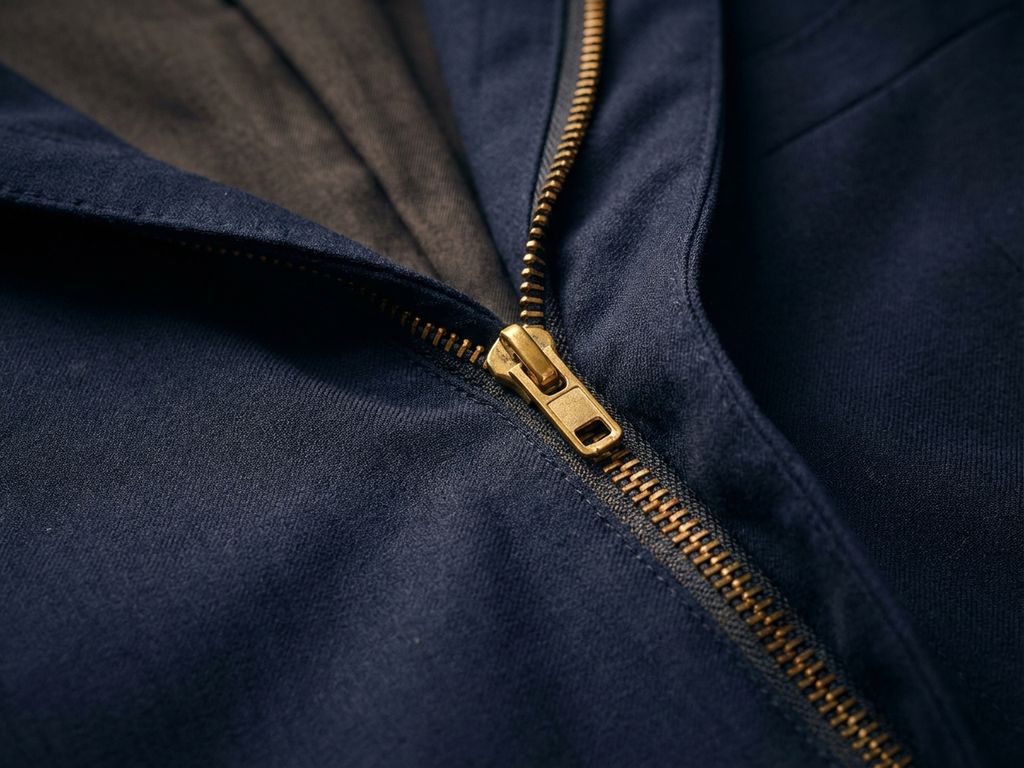
Suit zippers stick primarily due to dirt accumulation, fabric lint buildup, metal corrosion, and lack of proper lubrication. Poor-quality zippers or normal wear over time can also cause sticking and eventual failure. Most zipper problems develop gradually and can be prevented with proper suit care and maintenance. Understanding the causes helps you address issues early and extend your garment’s life.
What actually causes suit zippers to stick in the first place?
Dirt and debris are the most common culprits behind sticky zippers. Dust, body oils, and environmental particles accumulate along the zipper teeth and track, creating resistance when you try to pull the slider up or down. This buildup happens naturally through regular wear, especially in areas like trouser flies and jacket fronts that see frequent use.
Fabric lint presents another significant challenge for zipper functionality. The fibres from your suit fabric, particularly wool and cotton blends, gradually work their way into the zipper mechanism during normal movement and cleaning. Over time, this lint creates a barrier that prevents smooth slider operation and can cause the zipper to catch or stick completely.
Metal corrosion affects zippers made from brass, steel, or other metal alloys. Exposure to moisture from humidity, cleaning processes, or perspiration can cause oxidation on the zipper teeth and slider. This corrosion creates rough surfaces that increase friction and make the zipper difficult to operate smoothly.
Poor lubrication compounds all these problems. Zippers need some form of lubrication to function properly, whether from manufacturing oils or applied maintenance products. When this lubrication disappears through cleaning or wear, even clean zippers become sticky and hard to operate.
The quality of zipper construction significantly impacts how quickly these problems develop. Higher-quality zippers use better materials and tighter manufacturing tolerances, making them more resistant to dirt accumulation and corrosion. Cheaper zippers often have rougher surfaces and looser fits that trap debris more easily and wear out faster.
Why do suit zippers break and how can you tell when one is about to fail?
Zipper failure typically occurs through teeth misalignment, slider wear, fabric stress, or manufacturing defects. The slider mechanism gradually loses its ability to properly engage the zipper teeth, causing the zipper to separate unexpectedly or refuse to close completely. Most failures happen gradually rather than suddenly, giving you warning signs if you know what to look for.
Teeth misalignment happens when individual zipper teeth become bent, broken, or displaced from their proper position. You’ll notice this as a bulge or gap in the closed zipper, or resistance when moving the slider past certain points. This often occurs from forcing a stuck zipper or catching fabric in the mechanism.
Slider wear is perhaps the most common cause of zipper failure. The internal components that grip the zipper teeth gradually lose their shape and tension through repeated use. Early signs include the zipper opening behind the slider after you’ve closed it, difficulty keeping the zipper fully closed, or the slider feeling loose and wobbly.
Fabric stress around the zipper can cause the entire assembly to fail. This happens when the garment fabric stretches or tears near the zipper attachment points, usually from putting too much tension on a stuck zipper or from normal wear in high-stress areas like trouser waistbands.
Warning signs that indicate imminent zipper failure include increasing difficulty opening or closing the zipper, visible gaps when the zipper should be closed, catching or snagging at specific points along the track, and the slider not staying in position. If you notice the zipper working fine sometimes but failing at others, this inconsistency often indicates the slider is wearing out.
Manufacturing defects, while less common in quality suits, can cause premature failure. These include poor tooth alignment from the factory, inadequate slider tension, or weak fabric attachment points. Such defects usually become apparent within the first few months of regular wear.
How do you fix a stuck zipper without damaging your suit?
Start with the gentlest methods first to avoid damaging your suit fabric. Soap, graphite from a pencil, or specialised zipper lubricants can often resolve sticking without any risk to the garment. Never force a stuck zipper, as this can cause teeth to break or fabric to tear, leading to expensive repairs.
The soap method works well for most sticky zippers. Rub a bar of dry soap (not liquid soap) directly onto the zipper teeth on both sides of the stuck area. Work the soap into the teeth gently with your finger, then try moving the slider slowly back and forth. The soap acts as a lubricant and helps dissolve minor dirt buildup.
Graphite from a standard pencil provides excellent lubrication for metal zippers. Rub the pencil lead directly onto the zipper teeth, covering the problem area thoroughly. The graphite particles act as a dry lubricant that won’t stain your suit fabric. This method works particularly well for zippers that stick due to corrosion or lack of lubrication.
For more stubborn problems, try gently cleaning the zipper with a soft toothbrush to remove lint and debris. Brush along the direction of the teeth, not across them, to avoid damaging the mechanism. You can slightly dampen the brush with water, but avoid getting the suit fabric wet.
Commercial zipper lubricants offer another safe option for valuable suits. These products are specifically designed for garment zippers and won’t damage fabric or leave stains. Apply according to the manufacturer’s instructions, usually involving a small amount worked into the zipper teeth.
Know when to stop attempting DIY fixes. If gentle methods don’t work after a few attempts, or if you notice broken teeth or a severely damaged slider, take your suit to a professional tailor. Continuing to work on a seriously damaged zipper can cause additional damage that makes repair more expensive or impossible.
For emergency situations where you need the garment immediately, you might carefully use needle-nose pliers to grip and move a stuck slider. However, this carries significant risk of damaging both the zipper and surrounding fabric, so only attempt this if professional repair isn’t an option.
What’s the difference between repairing and replacing a suit zipper?
Zipper repair involves fixing specific components, such as replacing the slider or realigning teeth, while replacement means installing a completely new zipper assembly. Repair costs less and takes less time but only works when the zipper teeth and fabric attachment points remain intact. Replacement provides a more permanent solution but requires more extensive tailoring work.
Slider replacement is the most common and cost-effective repair option. When the zipper teeth are in good condition but the slider has worn out, a tailor can install a new slider that matches the original specifications. This repair typically takes a few days and costs significantly less than full replacement while restoring full functionality.
Teeth realignment can sometimes salvage zippers with minor damage. If only a few teeth are bent or slightly misaligned, skilled tailors can often reshape them back into proper position. However, this only works with metal zippers and when the damage is minimal. Plastic or nylon zippers with damaged teeth usually require complete replacement.
Complete zipper replacement becomes necessary when multiple teeth are broken, the fabric attachment points are damaged, or the zipper track itself is compromised. This process involves removing the old zipper entirely, including any stitching that holds it to the garment, then installing and sewing in a new zipper that matches the original specifications.
Cost considerations vary significantly between repair and replacement. Simple slider replacement might cost £15–30, while complete zipper replacement can range from £40–80 depending on the garment type and zipper complexity. Trouser zippers typically cost less to replace than jacket zippers due to their simpler construction and easier access.
Time requirements also differ substantially. Slider replacement or minor repairs often take 2–3 days, while complete replacement might require 1–2 weeks, especially if the tailor needs to order a specific zipper type or colour to match your suit.
The decision between repair and replacement often depends on the suit’s value and your long-term plans for the garment. For expensive suits or frequently worn pieces, replacement provides better value through improved reliability. For older suits or occasional-wear garments, repair might offer sufficient functionality at lower cost.
Consider the zipper’s location when making this decision. Trouser fly zippers experience heavy use and stress, making replacement often worthwhile for reliability. Jacket zippers might function adequately with repairs if the damage is minor and the suit isn’t worn frequently.
Proper suit care and regular maintenance can prevent many zipper problems before they require professional attention. Regular cleaning, gentle handling, and prompt attention to minor issues help extend zipper life and maintain your garment’s functionality. When zipper problems do occur, addressing them quickly often allows for simpler, less expensive repairs.
At Café Costume, we understand that proper garment care extends far beyond the initial fitting. Our consultation process includes guidance on maintaining your investment, ensuring that details like zippers continue functioning properly throughout your suit’s lifetime.
