



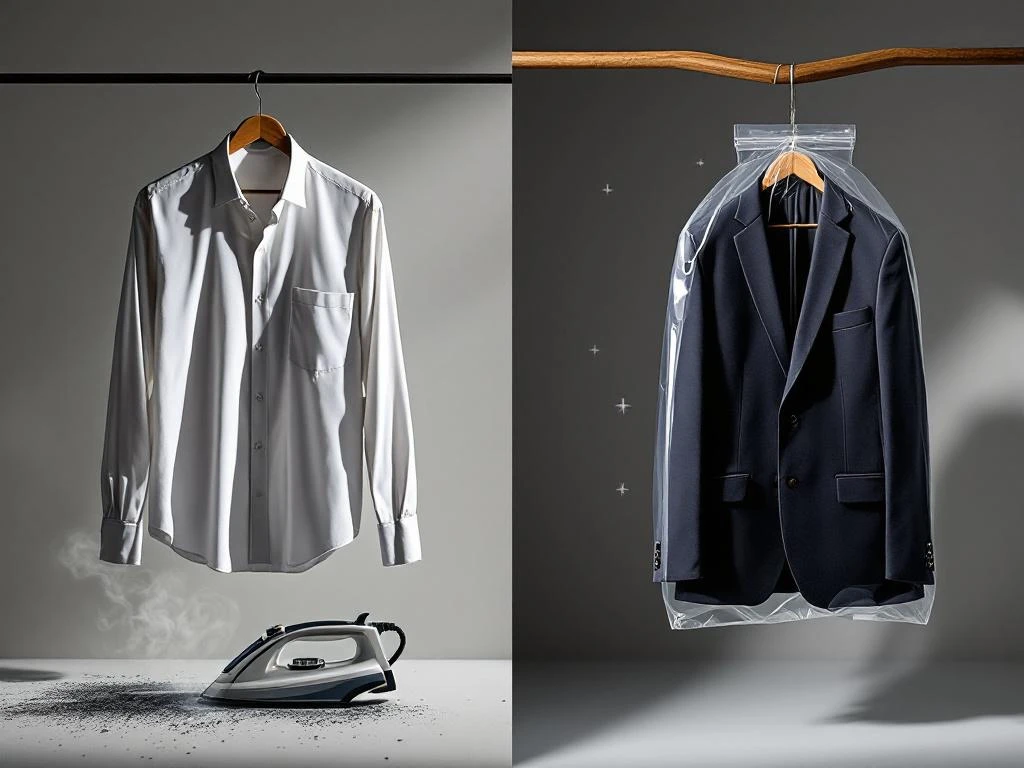
Suit pressing uses heat and pressure to remove wrinkles and restore shape to garments, while dry cleaning is a chemical cleaning process that removes stains, odours, and deep-seated dirt. Pressing is purely cosmetic maintenance that freshens appearance, whereas dry cleaning thoroughly cleans the fabric using specialised solvents. Understanding when to use each method helps you maintain your suits properly and extends their lifespan while keeping them looking professional.
What exactly is the difference between pressing and dry cleaning?
Suit pressing involves applying controlled heat and pressure to remove wrinkles and restore the garment’s original shape. Professional pressing uses steam and specialised equipment to smooth fabric fibres and create crisp lines on lapels, trouser creases, and jacket edges. The process takes about 15–20 minutes and only addresses the garment’s appearance.
Dry cleaning, by contrast, is a comprehensive cleaning method that uses chemical solvents instead of water to remove dirt, oils, stains, and odours from fabric. The process involves pre-treating stains, cleaning the entire garment in solvent, and then pressing it as a finishing step. This method can take several hours or even a few days, depending on the service.
The fundamental difference lies in purpose: pressing refreshes appearance, while dry cleaning actually cleans the garment. Pressing works on the fabric’s surface, manipulating fibres back into their intended position. Dry cleaning penetrates the fabric to remove substances that water-based washing cannot eliminate, particularly oils and protein-based stains.
Professional pressing equipment differs significantly from home irons. Commercial presses use precise temperature control, proper steam distribution, and specialised forms that match garment shapes. This ensures consistent results without the risk of shiny spots or fabric damage that can occur with domestic equipment.
When should you press a suit versus getting it dry cleaned?
Choose pressing when your suit looks wrinkled but is not actually dirty, smells fresh, and has no visible stains. This typically applies to suits worn briefly for meetings or events, stored improperly, or worn after travelling. Pressing works well for maintaining appearance between wears and costs significantly less than full cleaning.
Opt for dry cleaning when suits show signs of actual soiling: visible stains, absorbed odours, accumulated body oils around collars and cuffs, or after extended wear in challenging environments. Wool suits generally need dry cleaning after 4–6 wears, while synthetic blends might require it more frequently due to their tendency to retain odours.
Fabric type significantly influences your choice. Delicate materials like silk, cashmere, or fine wool benefit from professional dry cleaning to maintain their structure and appearance. Sturdy fabrics like cotton blends can often be pressed multiple times between cleanings without losing their quality.
Consider your wearing patterns when deciding. Suits worn in air-conditioned offices with minimal physical activity can often be pressed several times before requiring dry cleaning. However, suits worn in hot weather, during physical activity, or in smoky environments need cleaning more frequently.
Emergency situations call for pressing when you need a quick refresh before important meetings or events. Dry cleaning requires advance planning due to processing time, while professional pressing can often be completed while you wait. This is particularly important for wedding preparations when timing is crucial.
How much does suit pressing cost compared to dry cleaning?
Suit pressing typically costs £8–15 per garment, while dry cleaning ranges from £12–25 depending on the garment type and location. Pressing represents roughly half the cost of full dry cleaning, making it an economical choice for regular maintenance. Some establishments offer package deals for multiple garments or frequent customers.
The cost difference becomes significant over time. If you press suits twice between each dry cleaning cycle, you can reduce annual garment care costs by 30–40% while maintaining a professional appearance. For business professionals wearing suits daily, this approach can save hundreds of pounds annually.
Premium services charge more but often provide superior results. High-end establishments might charge £20–30 for pressing and £35–50 for dry cleaning, but they typically use better equipment and more experienced staff. The investment often pays off through better garment care and a longer suit lifespan.
Location affects pricing considerably. Central London establishments charge premium rates compared to suburban locations. However, convenience and quality often justify the additional cost, particularly for busy professionals who value time savings.
Consider membership programmes offered by some dry cleaners. These typically provide 10–20% discounts on services and can make regular maintenance more affordable. Some services also offer collection and delivery, which adds value despite higher costs. Understanding how it works with different service providers can help you choose the best option for your needs.
Can pressing damage your suit if done incorrectly?
Improper pressing can cause permanent damage, including shiny spots, fabric burning, seam distortion, and loss of natural texture. Excessive heat breaks down fabric fibres, while incorrect pressure can flatten the natural drape of quality materials. Using the wrong techniques on delicate fabrics like silk or fine wool can create irreversible damage.
Temperature control represents the biggest risk factor. Different fabrics require specific heat settings: wool needs moderate temperatures around 150°C, while synthetic materials can melt at high temperatures. Professional equipment includes precise temperature controls that domestic irons often lack.
Pressure application requires skill and experience. Too much pressure can create permanent creases in the wrong places or flatten textured fabrics like tweed. Insufficient pressure fails to remove wrinkles effectively, requiring repeated attempts that increase the risk of damage.
Steam quality matters significantly. Professional equipment produces consistent, clean steam that penetrates fabric evenly. Poor-quality steam can leave water spots or mineral deposits that create permanent staining on delicate fabrics.
Timing and technique separate professional results from amateur attempts. Experienced pressers understand how long to apply heat, when to use steam, and how to manipulate fabric for optimal results. They also recognise when garments require special handling or when pressing might cause damage.
Protective measures used by professionals include pressing cloths, proper garment positioning, and understanding fabric grain direction. These techniques prevent common problems such as seam impressions showing through to the front of the garment or the creation of unwanted creases. If you have concerns about your garment care, don’t hesitate to contact professionals for advice.
How often should you press or dry clean your suits?
Press suits after 1–2 wears when they appear wrinkled but remain clean and odour-free. Dry clean every 4–6 wears for wool suits or whenever visible soiling occurs. This rotation maintains a professional appearance while preserving fabric integrity and extending garment lifespan through appropriate care intervals.
Your wearing environment significantly influences maintenance frequency. Office workers in climate-controlled environments can often extend intervals between cleanings, while those working in challenging conditions need more frequent care. Hot weather, physical activity, and exposure to smoke or cooking odours accelerate the need for cleaning.
Fabric composition affects maintenance schedules. Natural fibres like wool and silk resist odours better than synthetic materials, allowing longer intervals between cleanings. However, they may require more frequent pressing to maintain their crisp appearance. Synthetic blends often need cleaning more frequently but press more easily.
Seasonal considerations matter for maintenance timing. Summer wear requires more frequent cleaning due to increased perspiration, while winter suits may need more pressing due to static and wrinkles from heavy coats. Adjust your maintenance schedule accordingly.
Quality indicators help determine when care is needed. A fresh appearance, absence of odours, and clean collar and cuff areas suggest pressing is sufficient. Visible stains, absorbed smells, or fabric that feels different to the touch indicate that dry cleaning is necessary.
Rotation strategies extend garment life while reducing maintenance frequency. Alternating between multiple suits allows each garment to rest and recover its shape between wears. This approach can reduce both pressing and cleaning requirements while maintaining a professional wardrobe.
Proper suit care involves understanding these fundamental differences between pressing and cleaning. Both services play important roles in maintaining a professional appearance, but knowing when to use each method saves money while preserving your investment. Quality garments deserve appropriate care, and choosing the right maintenance approach ensures they serve you well for years to come. At Café Costume, we understand the importance of proper garment care and can provide guidance on maintaining your tailored pieces to ensure they always look their absolute best. Learn more about our commitment to quality and craftsmanship, and discover our comprehensive company info to understand how we can help you maintain your investment in fine tailoring.
