



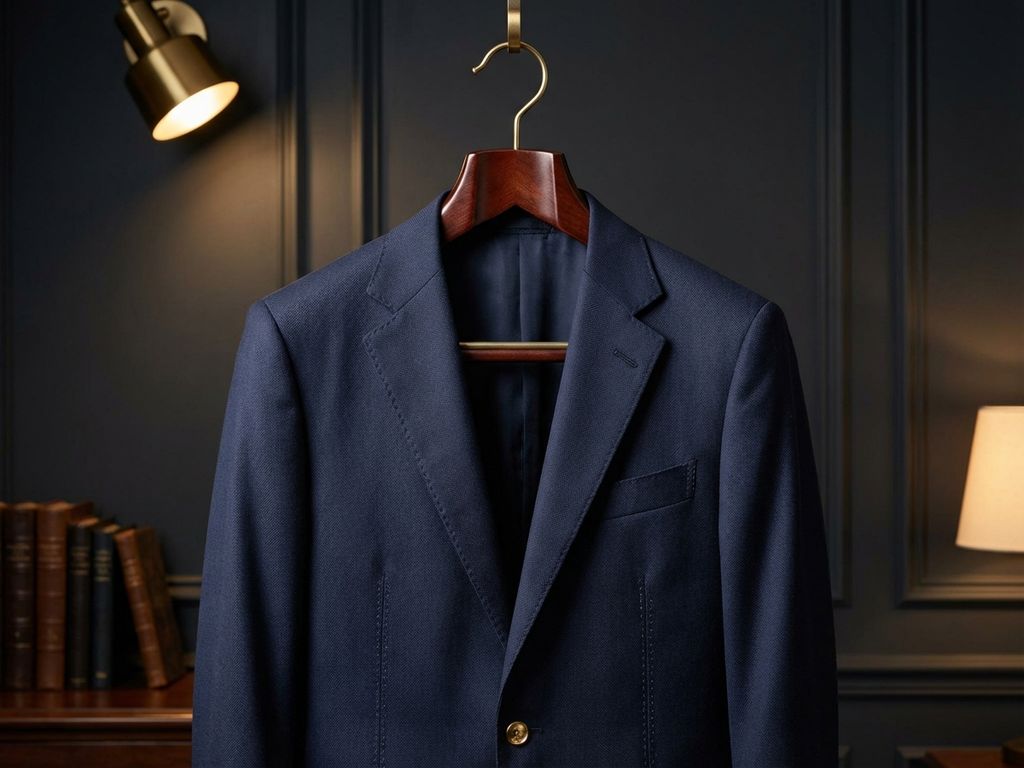
Hanging a suit jacket properly involves using a wide-shouldered wooden hanger, aligning the jacket’s shoulders with the hanger’s contours, and ensuring the garment hangs naturally without stress points. This technique preserves the jacket’s structure, prevents wrinkles, and maintains the garment’s shape for years. Proper suit care extends beyond just hanging and includes preparation, storage location, and regular maintenance.
What’s the difference between hanging a suit jacket properly and incorrectly?
Proper hanging preserves your jacket’s natural shoulder line and maintains the garment’s structural integrity, while incorrect hanging causes permanent damage, including stretched shoulders, fabric distortion, and unsightly creases. The difference lies in supporting the jacket’s construction rather than working against it.
When you hang a jacket correctly, you’re working with the internal canvas and padding that give the garment its shape. Quality suit jackets have carefully constructed shoulders with canvas interfacing and padding that need proper support. A good hanging technique distributes the jacket’s weight evenly across the shoulders, allowing the fabric to drape naturally without tension.
Incorrect hanging methods create several problems. Wire hangers, for instance, are too narrow and concentrate the jacket’s weight on small points, causing the shoulder fabric to stretch and creating permanent indentations. Poor hanger placement can twist the jacket’s natural lines, leading to wrinkles that become increasingly difficult to remove. Over time, these issues compound, making your jacket look worn and ill-fitting even when it’s relatively new.
The fabric itself responds differently to proper versus improper hanging. Quality wool and other suit fabrics have memory – they want to return to their original shape when treated well. Proper hanging allows this natural recovery, while poor hanging works against the fabric’s properties and can cause permanent creasing, especially around the shoulders and chest area.
Which type of hanger should you use for suit jackets?
Wooden suit hangers with wide, contoured shoulders provide the best support for jacket construction. These hangers mimic the natural shoulder slope and distribute weight properly, preventing fabric stress and maintaining the garment’s intended silhouette. Avoid wire hangers completely, as they damage jacket structure.
The ideal hanger width should match your jacket’s shoulder measurement, typically ranging from 17 to 19 inches for most men’s jackets. Cedar hangers offer additional benefits beyond proper support – they naturally repel moths and absorb moisture, making them excellent for long-term garment care. The wood’s natural properties help maintain optimal humidity around your jacket.
Padded hangers can work well for lighter-weight jackets or those with delicate fabrics. The padding provides gentle support and prevents sharp edges from creating pressure points. However, ensure the padding isn’t too thick, as this can stretch the jacket’s shoulders over time. The padding should compress slightly under the jacket’s weight rather than creating bulk.
Wire hangers represent the worst choice for suit maintenance. They’re too narrow, lack proper shoulder support, and often leave permanent marks on jacket shoulders. The thin wire concentrates weight on small points, gradually stretching the fabric and distorting the jacket’s natural lines. Even temporary use can cause damage that’s difficult to reverse.
Plastic hangers fall somewhere between wooden and wire options. While better than wire, they typically lack the proper shoulder contour needed for optimal support. They’re acceptable for short-term use but shouldn’t be your primary choice for valuable garments that require proper suit care.
How do you prepare a suit jacket before hanging it?
Empty all pockets completely, check for stains or loose threads, and allow the jacket to air for 15–20 minutes before hanging. Unbutton all buttons and ensure the jacket is at room temperature. This preparation process prevents damage and ensures the jacket hangs in its natural shape without distortion.
Start by removing everything from the pockets – pens, phones, wallets, business cards, and any other items. Weighted pockets pull the jacket out of shape and can create permanent stretching in the pocket area. Check inside pockets as well, as forgotten items here can cause the jacket to hang unevenly and stress the internal construction.
Inspect the jacket for any immediate issues that need attention. Look for stains that should be addressed before storage, loose buttons that might fall off, or small tears that could worsen if left unattended. Address these issues promptly to prevent them from becoming larger problems that require professional suit cleaning or repair.
Allow the jacket to breathe before hanging, especially if you’ve been wearing it. Fabrics need time to release moisture and return to their natural state. This brief airing period helps prevent odours from setting and allows the fabric fibres to relax, making the jacket easier to hang properly.
Check the button positioning carefully. All buttons should be undone before hanging – this includes the main front buttons, any inside buttons, and sleeve buttons if they’re functional. Buttoned jackets hang unnaturally and can develop stress points where the fabric pulls against the closures.
What’s the correct technique for placing a jacket on the hanger?
Hold the jacket at the collar, slip the hanger through one sleeve opening, align the hanger’s shoulder curve with the jacket’s shoulder seam, then guide the other sleeve onto the hanger. Ensure the jacket hangs symmetrically, with both shoulders properly supported and the front panels draping evenly.
Begin by grasping the jacket at the back of the collar with one hand while holding the hanger in the other. Insert the hanger through the neck opening and into one sleeve, working slowly to avoid forcing the hanger through. The goal is to support the jacket’s weight while guiding it onto the hanger rather than simply dropping it on.
Pay careful attention to shoulder alignment. The hanger’s shoulder curve should sit directly under the jacket’s shoulder seam – this is where the sleeve meets the body of the jacket. Proper alignment ensures the jacket’s construction bears the weight correctly and maintains its intended silhouette. Misaligned hanging can cause the jacket to twist or develop unusual creases.
Guide the second sleeve onto the hanger with equal care. Don’t rush this step, as forcing the sleeve can stretch the armhole or damage the delicate construction in the shoulder area. The jacket should slide onto the hanger smoothly when properly aligned.
Once both shoulders are positioned, step back and check the overall hang. The jacket should drape symmetrically, with the front panels hanging evenly. The collar should lie flat against the hanger, and there shouldn’t be any obvious pulling or bunching in the fabric. If something looks off, remove the jacket and start again rather than trying to adjust it on the hanger.
Where should you store hung suit jackets for best results?
Store jackets in a cool, dry wardrobe with good air circulation, away from direct sunlight and heat sources. Maintain adequate spacing between garments to prevent crushing and allow air movement. Ideal conditions include temperatures between 60–70°F and humidity levels around 45–55% for optimal garment care.
Choose a location that maintains consistent temperature and humidity. Fluctuations in these conditions can cause fabrics to expand and contract, leading to premature wear and potential damage. Avoid areas near radiators, heating vents, or windows that receive direct sunlight, as heat and UV rays can fade colours and weaken fabric fibres.
Spacing between garments is more important than many people realise. Jackets need room to hang naturally without being compressed by neighbouring clothes. Aim for at least two inches between garments to allow proper air circulation. Crowded wardrobes prevent air movement and can lead to moisture buildup, which encourages mildew and odours.
Consider the wardrobe’s ventilation carefully. Enclosed spaces need some air movement to prevent staleness and moisture accumulation. If your wardrobe lacks natural ventilation, consider leaving the doors open periodically or using moisture-absorbing products designed for clothing storage.
Protect valuable jackets with breathable garment bags when storing them for extended periods. These bags shield against dust and moths while allowing air circulation. Avoid plastic covers for long-term storage, as they can trap moisture and lead to mildew problems. Natural fabric garment bags or cotton covers work much better for extended suit maintenance.
Regular rotation helps maintain jacket quality. Even properly stored garments benefit from occasional wearing and re-hanging. This natural movement helps fabrics maintain their resilience and prevents permanent creasing from long periods in the same position.
Proper jacket hanging forms just one part of comprehensive suit care, but it’s a foundation that affects everything else. When you take time to hang your jackets correctly, you’re investing in their longevity and ensuring they always look their best. At Café Costume, we understand that a well-made jacket deserves proper care, and we’re always happy to share guidance on maintaining the garments we craft. Whether you’re caring for a new made-to-measure piece or maintaining an existing wardrobe, these techniques will help preserve your investment for years to come.
