



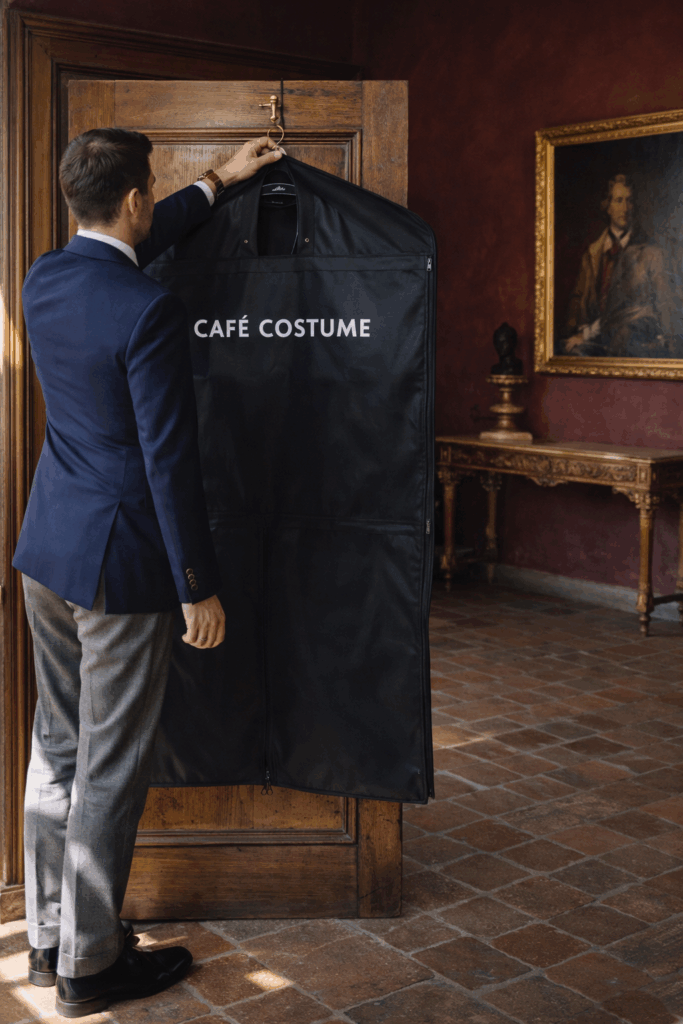
For long-term storage, you should hang your suit on a wide wooden or padded hanger rather than fold it. Hanging preserves the jacket’s shoulder structure and prevents permanent creases in the fabric. Folding works for short trips, but extended folding can damage the suit’s construction and create wrinkles that become difficult to remove. Proper hanging maintains the shape and appearance you invested in, whilst protecting the fabric integrity over time.
Why does the way you store your suit actually matter?
The way you store your suit directly affects how long it lasts and how well it maintains its shape. Suits are constructed with multiple layers of fabric, canvas, and padding that work together to create structure. When you store a suit improperly, these layers can shift, compress, or develop permanent creases that compromise the garment’s appearance and fit.
The shoulder area is particularly vulnerable to storage damage. Narrow hangers create pressure points that cause dimples or bumps in the shoulder line. These deformities become permanent over time as the internal canvas and padding take on the wrong shape. Similarly, the jacket’s lapels and chest area need proper support to maintain their roll and drape.
Your suit represents a significant investment, and proper storage protects that investment. A well-stored suit maintains its crisp appearance between wears, requires less frequent suit cleaning, and lasts years longer than one stored carelessly. The fabric stays fresh, the lining doesn’t develop stress tears, and the trousers keep their crease exactly where you want it.
Should you hang or fold a suit for long-term storage?
You should always hang a suit for long-term storage using a proper wooden or padded hanger. Hanging maintains the jacket’s shoulder structure, prevents fabric creasing, and allows the garment to breathe. Folding suits works only for travel or very short periods, as extended folding creates permanent creases and compresses the internal construction layers that give your suit its shape.
The construction of your suit determines how sensitive it is to folding. Fully canvassed suits with hand-stitched details need hanging more than fused suits, as their internal layers can shift when folded. Heavier fabrics like wool flannel recover better from brief folding than delicate fabrics like linen or lightweight wool.
For storage lasting weeks or months, hanging is the only acceptable method. The jacket needs space to maintain its three-dimensional shape, whilst the trousers benefit from hanging by the cuffs or over a bar to preserve their crease. If you must fold a suit temporarily, do so carefully along the natural lines and unfold it within a few days.
How do you properly hang a suit to prevent damage?
Proper suit hanging starts with selecting a wide wooden or padded hanger that matches your shoulder width. The hanger should extend nearly to the edge of your jacket shoulders, distributing weight evenly across the shoulder area. Narrow or wire hangers concentrate pressure in small points, creating permanent dimples that ruin the jacket’s silhouette.
When hanging the jacket, fasten the top button to help maintain the front’s shape and prevent lapel distortion. Position the jacket so it hangs straight without twisting, and ensure the collar sits naturally against the hanger. Leave enough space between suits in your wardrobe so they’re not crushed together, which causes unwanted creasing and prevents air circulation.
For trousers, you have two good options. You can hang them by the cuffs using clips, which maintains the crease through gravity. Alternatively, fold them over a padded trouser bar at the knee, ensuring the crease aligns perfectly. Avoid hanging trousers by the waistband over a thin bar, as this creates an unwanted horizontal crease across the thighs.
What are the biggest mistakes people make when storing suits?
The most common suit storage mistake is using wire hangers from the dry cleaner. These thin hangers damage shoulders, create rust marks on fabric, and lack the width needed to support a jacket properly. Another frequent error is leaving suits in plastic dry-cleaning bags, which trap moisture and prevent fabrics from breathing, potentially causing mildew or musty odours.
Overcrowding your wardrobe crushes suits together, creating creases and preventing proper air circulation. Suits need space to hang freely and maintain their shape. Storing suits in humid environments or areas with direct sunlight exposure causes fabric deterioration, colour fading, and can attract moths that damage natural fibres.
Many people also make mistakes with how to fold a suit for travel, creating sharp creases in the wrong places or folding too tightly. When suit cleaning is needed, some delay too long, allowing stains to set permanently or dirt to degrade fabric fibres. Regular brushing and proper airing prevent many issues that lead to excessive cleaning, which itself can wear down fabrics over time.
How often should you rotate suits in storage?
You should rotate your suits regularly, wearing each one no more than two days consecutively before giving it at least 24-48 hours to rest. This rotation allows the fabric to recover its shape, moisture to evaporate, and wrinkles to naturally release. For suits in seasonal storage, check them every few weeks for signs of moths, moisture problems, or musty odours that indicate poor ventilation.
Between wears, brush your suit with a clothes brush to remove surface dirt and dust. Hang it in an area with good air circulation, away from your main wardrobe if possible, letting it air out completely before returning it to storage. This practice extends the time between professional suit cleaning sessions and keeps fabrics fresh.
Seasonal rotation matters particularly for suits you don’t wear regularly. Every few months, inspect stored suits for moth damage, check that hangers haven’t shifted or damaged shoulders, and ensure storage conditions remain dry and clean. This attention prevents small problems from becoming serious damage that compromises your suit’s wearability and appearance.
Taking care of your suits through proper storage isn’t complicated, but it makes a substantial difference in how long they last and how good they look. At Café Costume, we understand that a well-made suit deserves proper care. Whether you’re storing a bespoke suit or your everyday business attire, these storage practices help you protect your investment and maintain that sharp, professional appearance you’re aiming for. If you’re preparing for a special occasion, understanding wedding suit care is particularly important. For those considering a custom suit, learn more about how our process works to ensure you get a garment worth protecting. If you have questions about suit care or would like personalized advice, please contact our team who can guide you through best practices for your specific garments.
